
Santa Cruz Shoulder: Peak Occupancy Is Not the Year

Updated: Aug 28
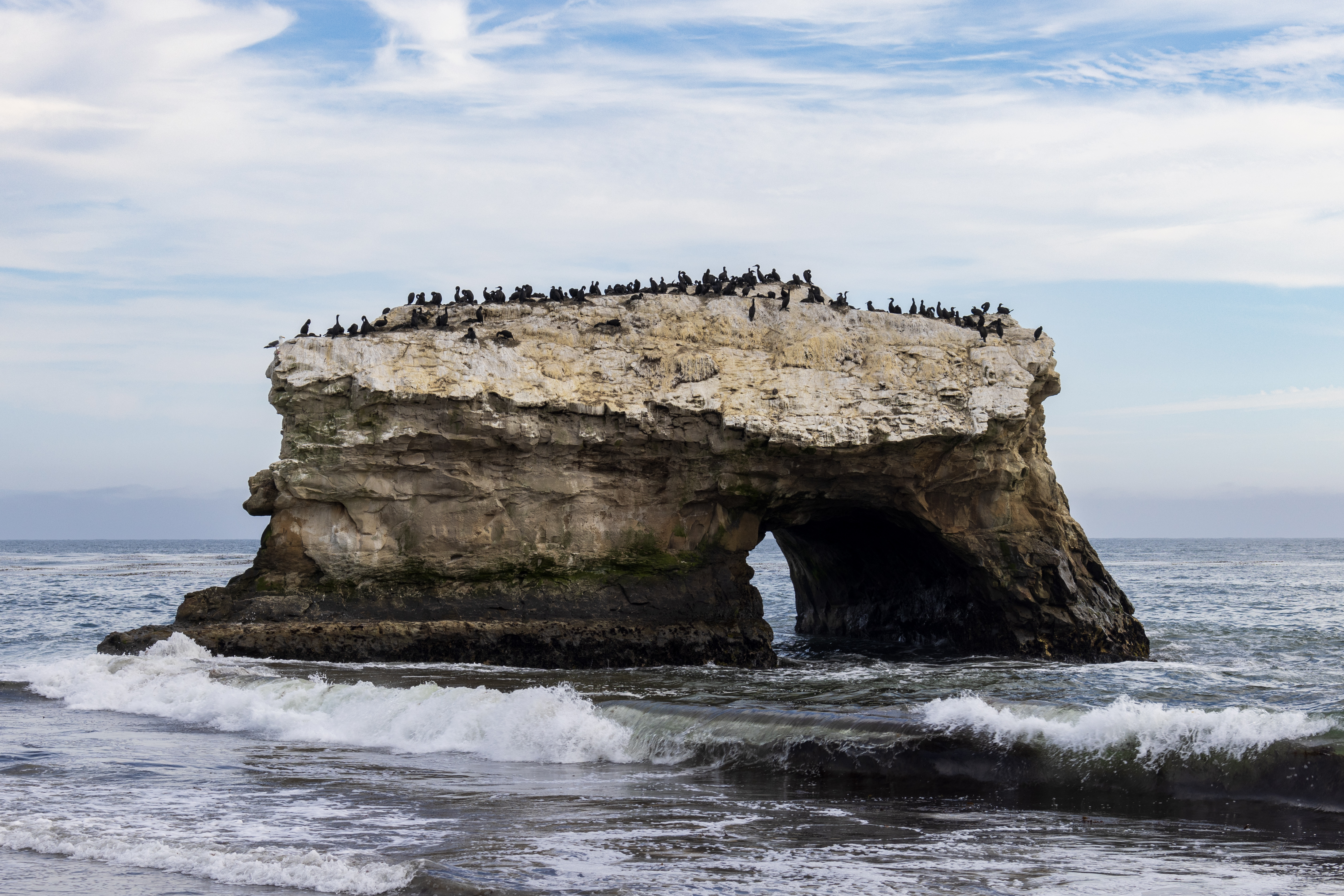
Santa Cruz winter is a Pacific winter. It is wet, gray, and genuinely moody, and it is not an inland freeze. The ocean is still there. West Cliff still takes a storm. Natural Bridges still has a low-tide window on a weekday when the parking lot is empty. That is the opening. A host who treats November through March as a broken July , same seven-night minimum, same Boardwalk hero, a token 5 percent off , will sit empty and then blame the rain. The rain is the product if the house is warm.
This is a real ocean-adjacent market. The city waterfront, Live Oak, Seacliff, Aptos, La Selva Beach, and Davenport all sit on Monterey Bay or the north coast. Felton and the San Lorenzo Valley are the redwood side of the same county, not a reservoir town pretending to be coastal. Confirm the pattern against a year of your own calendar and against the National Weather Service climate normal for Santa Cruz: cool wet winters, dry summers, marine layer. Do not import a mountain-town “mud season” script, and do not import a Florida shoulder.
The mechanics are simple and local. Drop the summer minimum to two or three nights on winter weekends and one night midweek. Put a real weekly discount in the 15 to 20 percent range off the summer night, not a coupon nobody feels. Then give the guest a reason that is not the discount: a fireplace that works, a storm window that faces water or redwoods, a named tasting room, a tide-pool morning. Themarketingpost is the overnight case year-round. This page is the wet-season version. Theremotepost is the 30-night version of the same gray sky.
What follows is how to reframe the winter, which local names to use, how to price the hole without a fake ADR, and how to spend empty weekdays on the house so April does not start with a clogged gutter. If you have no winter history yet, start with short stays and a working heat source, then decide in March whether the longer minimum was ever earned.
Winter here is weather, not a closed gate
July on this coast is the crowded month. January is the honest month. Daytime highs still sit in a jacket range; the constraint is rain and short days, not ice. Guests who want that , a book, a window, a walk between squalls , are already searching. Guests who want the Boardwalk in full sun are not your January customer, and discounting into that person will only produce a cancellation when the forecast turns. Write the gray week as the offer.
Storm-watching is a real sentence if the house can see water or if West Cliff is a short drive. It is a fake sentence on a creek cottage with no window on the weather. Say what the guest will actually watch. A wood stove or a gas fireplace that you have lit this season belongs in the first six photos. “Cozy” without a heat source is a word. Theregulationpost is silent on weather and loud on permits. Keep the permit current through the slow months; a winter you do not operate can become a renewal problem if you cannot show significant use.
Do not close the calendar because a mountain template said to. This is not a ski town with a shoulder between foliage and snow. It is a coast with a wet season. A Thursday night in February can still book if the minimum is one night and the photo is the window, not the Giant Dipper. Themarket reportwill not invent a monthly occupancy series to prove that. Your own last two winters will. Read them before you copy last July’s rules forward. If you have no winter history yet, start with short stays and a working heat source, then decide in March whether the longer minimum was ever earned.
Drop the summer minimum or you will own empty weeks
A seven-night minimum in January is how you guarantee empty weeks. The guest who will sit in a gray house for a week is rare. The guest who will come Friday to Sunday for a storm, a tasting room, and a redwood walk is not. Two or three nights on the weekend, one night midweek, is the default winter card this cluster is willing to recommend. If your last February already filled at seven nights, keep it. If it did not, stop blaming the rain.
Weekly discounts have to move a decision. Fifteen to 20 percent off the summer night is the range in the brief, and it is a starting point, not a law. A 5 percent “winter special” next to a seven-night stay is a decoration. Show the weekly total. Show the two-night weekend total. Let the guest do the Highway 17 math: one wet weekend over the hill, no Sunday return in the dark if they booked the Monday. Theremoteguest wants a 30-night number. Do not hide that number in a “contact me” note.
Clean the calendar of leftover July tools. Holiday-only pricing that stays stuck to a random Wednesday in February will bounce the person you wanted. Keep New Year’s and any local event you can date. Soften the rest. If you do not have a trailing winter, start conservative on the night and generous on the minimum, then raise the night after you see the first four weekends. Leave out unverified a $771 winter rate because a summer rumor used that number.
Name a tide pool, a tasting room, and a real walk
Natural Bridges State Beach is in Santa Cruz and has tide pools at low tide. That is a winter morning with fewer people on the sandstone. Put the tide chart in the guest guide, not “beach nearby.” West Cliff Drive is the storm walk , jacket, not swimsuit. Henry Cowell in Felton is the redwood walk when the coast is too sideways. Those three names cover city, cliff, and valley. Use the one the house can actually reach before lunch.
Bonny Doon Vineyard is a Santa Cruz Mountains name you can print. Do not write “local wineries” if you cannot name one. A dinner you have eaten this year beats a list of ten restaurants you have not. Davenport has its own north-coast quiet; an Aptos house should send people to Seacliff and the creek, not to a Davenport bakery as if it were next door. Pigeon Point Light Station is in San Mateo County. If you send guests north on Highway 1, call it a drive. Do not caption it as a Santa Cruz backyard.
Packages beat naked discounts when they are real. A two-night stay plus a reserved tasting, or plus a printed tide-pool window, is a reason. A PDF of coupons from 2022 is not. You do not need a formal partnership to name a public beach and a tasting room that takes walk-ins. You do need to have been there. TheDIYpost is when to hire someone to turn those names into listing sentences. The names still have to be yours.
Price the hole without a fake occupancy story
We do not have a locked monthly occupancy table for Santa Cruz winter. Do not publish one. Do not tell a lender that January “always” runs a certain percent. Pull your own platform calendar, or buy a primary extract for the specific community , city, Live Oak, Aptos, Davenport, Felton , and Keep the year. Themarket reportrefuses the same fake cell. Shoulder strategy is a calendar and a minimum, not a chart you invented.
Compare this winter to last winter, not to July. If last February booked two weekends at a shorter minimum, that is your proof. If it booked none, the listing is still a Boardwalk day-trip page. Fix the first photo and the first sentence before you cut another 10 percent. Discounting a wrong identity is how you fill a Friday with the guest who wanted a party and then spend Saturday on a complaint. Themarketingovernight case is the winter case with a coat on.
City TOT stays 14 percent on residential stays in January. County TOT stays whatever the Tax Collector told you at (831) 454-2510. The stack does not take a winter holiday. Neither does CruzAware or the city rental-inspection enrollment. A dark listing still has a permit to keep. Theregulationrenewal checklist includes proof of significant use. A winter you abandoned can become a spring you cannot renew. Operate something, or be ready to explain the gap.
Use the empty weekdays on the house
Peak summer does not leave a Saturday for gutters, deck screws, or a deep clean under the sofa. January does. Put those days on the calendar as blocked maintenance, not as wishful one-night inventory you will not clean in the rain. A guest who walks into a house that smells like last July’s wet towels will not leave a winter review that helps March. Spend the empty Tuesday.
The list is boring and local: gutters before the next atmospheric river, a deck that gets marine air, heaters you have actually run, a wood-stove chimney if you have one, weatherstripping on the storm window you photographed. Coastal hardware fails in salt. Mountain hardware fails in shade and damp. Walk the house in the weather you are selling. If the fireplace is decorative, take it out of the listing. If the Wi-Fi dies when it rains, fix it before you take aremotemonth. Take photos of the work if you want a spring listing that looks cared for; guests can tell a house that sat closed from October to April.
Tell neighbors you are operating in winter. Live Oak, Seacliff, and Davenport blocks already live with density rules. A quiet January household is how you stay welcome. A dark house that suddenly lights up for a holiday weekend without a local contact will not. Put the same local phone in the window the county or city wants. Shoulder season is not a vacation from being the operator.
Two calendars: coast weekend and mountain weekend
A West Cliff or Live Oak winter weekend is storm light and a short drive to soup. A Felton or Bonny Doon weekend is redwoods and a darker night. Do not run one “Santa Cruz winter” listing copy on both. The coast guest wants the window on the weather. The mountain guest wants the stove and the grove. Thesub-cappost already split DASDA, LODA, and SALSDA as permit pools. Split them as products too.
Highway 17 in winter is a different complaint than Highway 17 in July. Rain on the summit, not beach traffic, is the Sunday risk. Say so. Guests who grew up in the South Bay already know. Guests from farther away do not. A two-night Saturday arrival that includes a Monday buffer is easier to sell when you describe the pass honestly. TheBay Area hubis the regional contrast. This paragraph is the wet-week version of the same hill.
If you own in Davenport, winter is the identity. That north coast is quieter than the Boardwalk in every season and quieter still in the rain. Do not discount it as if it were a failed city listing. Write the bluff. If you own two blocks from the casino, winter is a harder conversion and a better time to take maintenance days and the occasional storm couple. Be honest about which house you have.
What not to copy from other coasts
Do not copy a Florida summer-thunderstorm script. Do not copy an Outer Banks hurricane week. Do not copy a Tahoe mud-season shutdown. This coast’s off-season is rain and tourists going home, not a closed ferry. TheCambria reportis a Central Coast sibling with its own fog and its own clerk. Steal the idea of naming the weather. Do not steal their landmark.
Leave out unverified a festival to fill February. If you cannot date an event on this year’s official page, it does not go in the listing. Santa Cruz has a real calendar , confirm it , and it also has empty wet weekends that will only book if the house is the reason. A fake “whale festival package” you cannot point to is worse than a quiet fireplace. Theinvestmentpost already refused a yield story. This page refuses a fake events story. A dated page you can link beats a vibe you cannot prove.
Do not keep the July hero image. This cluster’s shoulder hero is Natural Bridges. That is a Santa Cruz winter frame: rock, water, fewer people. Swap the first photo when the rains start. Swap it back when the state-beach lots fill. The guest who clicks a mid-summer crowd and arrives to a closed snack bar will review the bait, not the rain.
A week-by-week way to run the wet season
On the first of November, change the minimum, change the first photo, and write one paragraph that names the fireplace, the walk, and the rain. Leave it up through March unless a dated event deserves a weekend exception. Check the tide chart once a month and put the next good Natural Bridges morning in the guide. Book the gutter visit before the first big river, not after.
Once a month, read the last thirty days of inquiries. If they all ask about the Boardwalk, the listing is still a day-trip page. If they ask about heat and Wi-Fi, you are talking to the right winter person. Answer those in the listing so you stop answering them in chat. TheDIYpost is how much of that you should hire. The work is the same whether you type it or someone else does.
In April, put the summer minimum back only if last summer needed it. Do not assume it did. A two-night spring shoulder can still be the right card through May on weekdays. The ocean does not flip to July on the first warm afternoon. Keep one gray-day photo in the set even in summer. Someone will book a foggy June Tuesday, and they should recognize the house. If April inquiries still ask only about rides and sun, the winter copy taught the algorithm the wrong guest , put the cliff or the grove back in the first sentence until the right people show up.
Frequently Asked Questions
Is Santa Cruz actually a coastal winter market?
Yes. The city waterfront, Live Oak, Seacliff, Aptos, La Selva Beach, and Davenport all sit directly on Monterey Bay or the north coast, and winter here is wet Pacific weather rather than an inland freeze. Felton, on the redwood side of the same county, is a different microclimate, so don't import a ski-town mud-season script into a listing near the coast.
What minimum stay should I run in winter?
Unless a previous February already filled reliably at a seven-night minimum, drop to two or three nights on winter weekends and one night midweek. A summer-length minimum-stay rule left in place through January is one of the more common ways owners end up with empty weeks, so put the weekly total directly on the listing so guests can do the math themselves.
How deep should the winter discount go?
Fifteen to twenty percent off the summer night for a week is the working range for this cluster, treated as a starting point rather than a fixed rule. A token five-percent 'winter special' next to a still-long minimum-stay requirement generally isn't enough to change a guest's decision, and any pricing here should avoid citing the unverified $771 figure that appears in some research notes.
What local winter experiences are worth naming in the listing?
Natural Bridges tide pools, a West Cliff storm walk, Henry Cowell in Felton, and Bonny Doon Vineyard are all real, nameable options. Pigeon Point is actually in San Mateo County, so it should be framed as a Highway 1 drive rather than a local attraction. Put a specific tide chart or trail name in the guest guide instead of a vague 'beach nearby' line.
Can an unused winter hurt my STR permit?
Potentially. County renewals ask for proof of significant use, TOT paid, and a current listing, so a calendar that's dark all winter is something an owner may have to explain at renewal time. Confirm the current renewal checklist directly on the county page, since city permits follow their own separate inspection and TOT path.
Should I keep a summer beach photo as the hero image in January?
No. A July crowd photo tends to attract the wrong guest expectations for a wet, quiet winter stay. Swap the hero image to a gray-day frame that matches the actual house and season, Natural Bridges, a stormy West Cliff, or a redwood grove, and swap it again once spring inquiries pick back up.
Is the Highway 17 commute different in winter than summer?
Yes. The summer problem is beach traffic; the winter problem is rain on the summit, and that distinction is worth stating plainly in the listing rather than promising a fixed drive time. A Monday buffer built into a Saturday-arrival stay makes the pass easier to sell honestly to a guest who might be driving back over the mountain in wet weather.
What should I do with empty January weekdays instead of just leaving them open?
Block them for gutters, deck hardware, heater servicing, and a deep clean rather than hoping for a last-minute one-night booking. Both coastal salt air and mountain damp cause real wear over winter, so walking the house in the actual weather it's being sold in, and fixing what that walk turns up, is a better use of a slow week than leaving a decorative fireplace in the listing photos unaddressed.
Related Reading
Keep reading in the Santa Cruz market spine and nearby towns in the same region: same-cluster pages hosts can use without costume-corridor copy.
Santa Cruz California Report: AirROI Pins, Not Leftover Occupancy
Bay Area Wine Country vs Santa Cruz Mountains STR Market Report
This Market Host Guide: What Guests Actually Ask for Independent Hosts
Santa Cruz County 270 Permits: Clerks, Not Occupancy Ranking
Santa Cruz County Investment: AirROI Pins, Not Leftover Year
Patagonia Town Desk vs. Santa Cruz County: Which Desk Actually Governs
Work with Crest & Cove Creative
A Santa Cruz listing that keeps the same seven-night minimum and Boardwalk hero photo through a wet Pacific winter is selling a broken July, when the wet season itself, a working fireplace, an empty low-tide morning, is the actual product.
We help Santa Cruz hosts rewrite winter listing copy around this coast's real shoulder-season draw instead of a discounted summer pitch. Send your listing and we'll show you where the winter story still reads like an apology.
Reach out at crestcove.co or (256) 998-7502.


Comments