
Write the Wildlife, Weather, and Access Reality Guests Will Meet

Updated: Aug 27
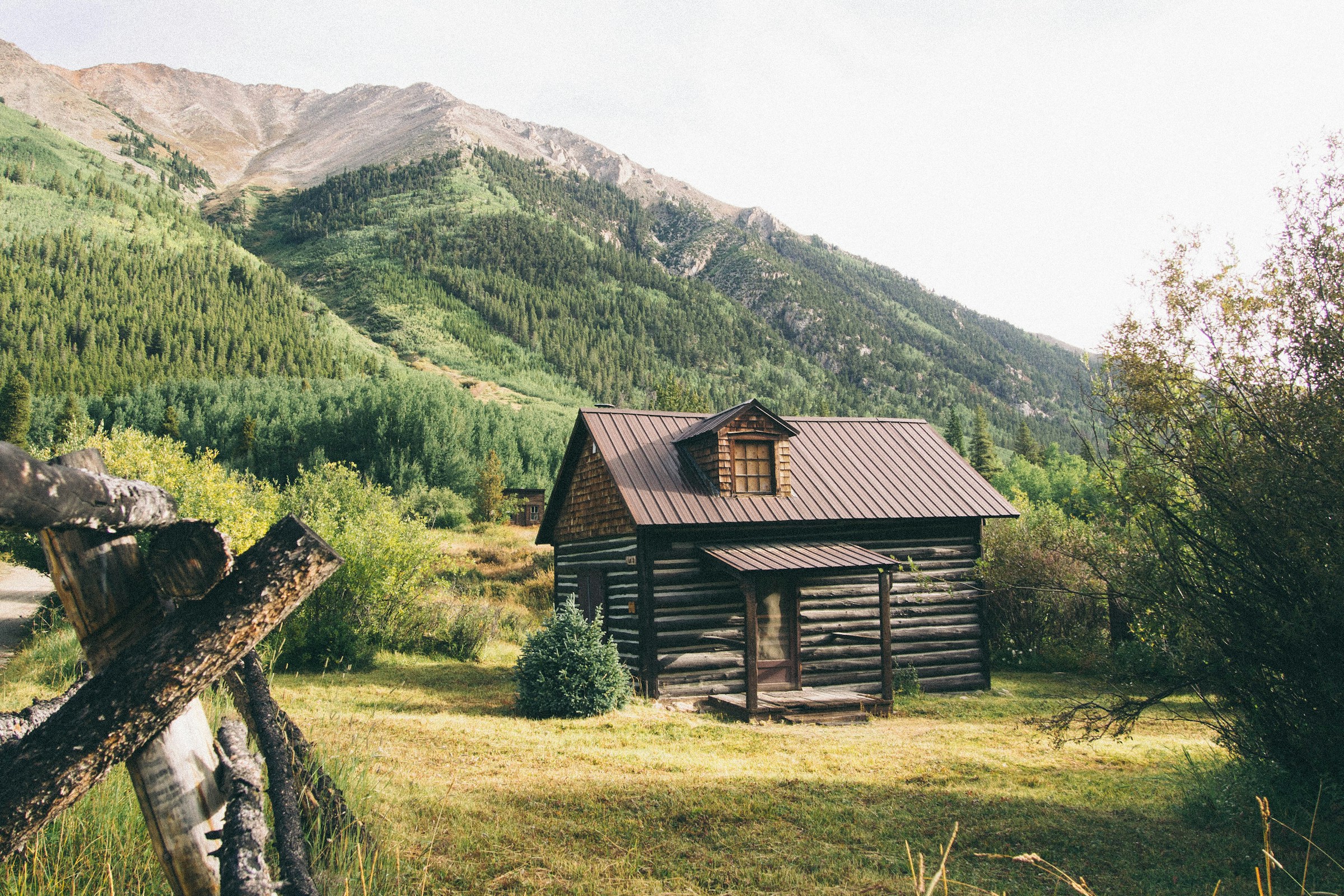
A listing photo of a mountain view sells a feeling. It says nothing about the black bear that visits the trash cans most evenings in June, the gravel road that washes out after a heavy spring rain, or the two bars of phone signal that make a video call unreliable after dark. None of those facts are disqualifying for most guests — plenty of travelers specifically want a place with wildlife nearby and imperfect signal. What's disqualifying is finding out about them for the first time at midnight, unprepared, after the listing's postcard language promised something softer.
This page covers the three categories that most often create that midnight surprise — wildlife, weather, and access — and how to write them into the listing as real conditions a guest can plan around, not as marketing costume that gets removed the moment reality shows up. It will not guess at booking lifts or ranking effects from making this change. It is not legal advice; confirm any local wildlife or access regulation with a qualified professional before publishing specific compliance claims. This is not legal advice.
Why postcard language creates arrival-night problems
Postcard language describes a place the way a brochure would — scenic, evocative, and stripped of anything that requires the reader to prepare for something. 'Nestled in the pines with mountain views' tells a guest nothing about what pines and mountains actually mean for their stay: wildlife traffic, seasonal road conditions, patchy connectivity. The words aren't false, exactly. They're just incomplete in a way that shifts the burden of discovery onto the guest, at the worst possible time to discover anything.
The gap matters more for wildlife, weather, and access than for almost any other listing category, because these are the conditions most likely to be genuinely different from what a guest expects based on their own experience. A guest from a city apartment has no frame of reference for a working septic system's winter behavior, a bear-proof bin requirement, or a driveway that becomes unreliable after a hard freeze — and the listing is the only place they can learn about it before they've already committed.
None of this means underselling the place. A real description of what makes a mountain or forest property distinctive — the actual wildlife a guest might see, the actual weather pattern across seasons, the actual access conditions — is more compelling to the right guest than a vague postcard line, not less. Specificity attracts the guest who wants exactly this; vagueness attracts a guest who wanted something else and finds out too late.
Naming wildlife reality without either scaring guests off or hiding it
The useful version of a wildlife note names the species a guest is actually likely to encounter, roughly when, and what the host expects the guest to do about it — not a generic 'wildlife may be present' disclaimer that provides no actual guidance. 'Black bears are active in this area from April through October; store food and trash in the bear-proof bin by the side door' tells a guest exactly what to expect and exactly what's expected of them in return.
This kind of specificity does more to attract the right guest than a vague warning does to repel anyone. A traveler who wants a genuine wildlife-adjacent stay reads a specific, confident wildlife note as a sign the host actually knows the property, not as a reason to book somewhere else. A traveler who would have been unhappy about wildlife at all self-selects out before booking, which is a better outcome for both sides than an unhappy arrival.
Skip generic legal-sounding disclaimers that name no actual animal and describe no actual behavior — they read as boilerplate a lawyer inserted, not as information a host who lives near the property actually has. If there's a genuine local regulation around wildlife interaction or bear-proof storage requirements, name it plainly and note that guests should confirm current rules with the appropriate local authority; this isn't legal advice.
Naming weather and seasonal access reality
Weather reality means naming the actual seasonal pattern that affects a guest's stay, not a generic 'four beautiful seasons' line. If the driveway is genuinely difficult after a hard freeze, say so and describe what the host does about it — plowing schedule, a 4WD recommendation, an alternate parking area during ice events. A guest who knows this in advance packs the right shoes and the right expectations; a guest who finds out at the bottom of an icy driveway does not.
Shoulder-season conditions deserve their own specific mention rather than a blanket seasonal description. A property that's glorious in July and genuinely muddy or road-limited in late March is not lying by being beautiful in the summer photos — it's incomplete if the listing implies July conditions apply year-round. Note what changes by season plainly, especially for any season the listing is actively being booked for.
The same principle covers extreme-weather contingencies: what happens to a booking if a road closes for a storm, what the cancellation or rebooking policy is in that case, and how a guest should expect to be contacted. Guests forgive weather. They don't forgive discovering, mid-storm, that the host never mentioned this was a possibility at all.
Naming access reality: parking, roads, and connectivity
Access is the category most likely to generate a same-night complaint if it's wrong, because it's the first thing a guest tests, usually in the dark, often after a long drive. State the actual road surface — paved, gravel, seasonal dirt — the actual parking capacity, and any turn or landmark that's easy to miss on a first visit. A guest who's told exactly what to expect arrives calm; a guest navigating a mismatch between the listing's implication and the actual road arrives already frustrated before they've found the door.
Phone signal and internet reliability deserve a plain, specific note rather than a vague 'wifi available' line. If signal genuinely drops to one or two bars in bad weather, or if the property relies on satellite internet with real latency, say so — a guest who needs to work remotely during the stay needs that information before booking, not after they've already tried and failed to join a call.
None of this needs to read as a warning label. 'The final half-mile is gravel and can be slow in the dark — the turn is marked with a reflective post at the mailbox' is a helpful, confident piece of guidance, not a disclaimer. The tone that works here is the same tone a good host would use talking a guest through the drive over the phone, not the tone of a liability waiver.
Five wildlife-weather-access anti-patterns
The first is promising a level of comfort or predictability Saturday genuinely can't keep — implying a paved, well-lit approach when the actual road is gravel and unlit after dusk. The second is pausing guest-inbox replies to build a broader marketing deck about the property's natural setting, treating the messaging project as more urgent than an actual guest with an actual question. The third is measuring the fix by a vanity metric — page views on a new nature-themed content piece — instead of whether arrival-night confusion actually declined.
The fourth is copying wildlife or weather figures from a neighboring town's report without labeling them, presenting seasonal patterns that may not actually apply to this specific property's elevation, aspect, or road conditions. The fifth is guessing at a booking lift from adding this kind of reality copy — a claim that isn't auditable and shouldn't be made regardless of how reasonable it sounds.
Any one of these five is a quick fix once named. The compounding risk shows up when a host runs several at once — publishing unlabeled comparison figures while also implying easier access than the property actually has creates two separate, unrelated ways for a guest to arrive with the wrong expectations on the same night.
A composite case: a soft nature narrative, an unchanged driveway note
Picture a host who invests real effort into a lyrical description of the surrounding forest and wildlife — genuinely good writing, evocative and accurate about the setting — while the parking and driveway section of the listing stays exactly as vague as it was before. Guests read the new nature copy, get excited, and book at a higher rate than before.
They arrive to the same unclear driveway situation the vague copy never addressed, because the improvement touched the scenery description and nothing about the actual access conditions. The evocative writing didn't cause the problem, but it didn't fix it either, and the guest's frustration lands on the driveway, not the forest description that got them excited in the first place.
The lesson is sequencing again: fix the operable access facts first, or at minimum alongside any scenery or wildlife writing, not after it. A gorgeous description of the setting paired with a vague driveway note just gets more guests further into a mismatch faster.
When the current listing is already enough
If arrival already matches what the listing describes, and guest questions about wildlife, weather, or access have gone quiet, more reality-copy work is optional rather than urgent. Chasing a longer, more detailed nature section when nothing is currently confusing guests is effort spent without a live problem behind it.
The test isn't how thorough the wildlife-and-weather section reads on the page — it's whether anything about arrival still surprises a guest who read the listing carefully. A short, accurate access note that matches reality beats a long, evocative nature essay that leaves the actual driveway condition unclear.
Add depth only against a specific gap a guest has actually raised — a repeated question about parking, a repeated surprise about signal, a repeated comment about wildlife encounters the listing didn't mention. Building ahead of an actual guest question is guessing, and this page doesn't recommend guessing.
Running the 30/90-day reality review
At thirty days after adding or revising wildlife, weather, or access copy, reread it against the actual guest questions that came in over that period. If the same question that prompted the rewrite is still showing up, the rewrite didn't land — go back and be more specific, not more polished.
At ninety days, drop any soft language that's crept back in — a specific bear-storage instruction that got softened into a generic wildlife disclaimer during a later edit, an access note that got shortened until it lost the actual detail a guest needed. Reality copy tends to erode toward vagueness over successive small edits unless it's actively checked.
Track accuracy complaints alongside occupancy. A full calendar with rising confusion about conditions the listing should have named isn't a success story — it's evidence the copy still isn't doing its job. Prefer fewer, truer sentences about wildlife, weather, and access over a longer section that reads well but still leaves a guest surprised.
Where this copy actually lives on the listing
Wildlife, weather, and access notes work best distributed across the places a guest actually reads at each stage of the booking, not buried in a single 'important information' section nobody opens until after booking. The main description can carry the headline version — gravel final approach, active wildlife season — while the house rules and pre-arrival message carry the operable detail: the exact bin location, the exact plow schedule, the exact signal caveat.
Photos do real work here too. A photo of the actual gravel driveway, the actual bear-proof bin, or the actual signal situation (a simple shot of a phone showing two bars, captioned honestly) does more to set expectations than a paragraph of text, because it's harder to read past a photo than past a sentence a skimming guest might skip.
The pre-arrival message is the last honest checkpoint before a guest is en route, and it's worth repeating the single most important access or seasonal detail there even if it's already in the listing. A guest who skimmed the listing three weeks ago and is now driving up a gravel road in the dark benefits from a same-day reminder more than from copy they read once and forgot.
Why a buyer reads this copy as a signal about the whole operation
A buyer evaluating a mountain or forest property reads wildlife, weather, and access copy for a different reason than a guest does, but the underlying question is similar: does this operation actually know its own conditions, or is it running on brochure language it never revisited? Vague, generic reality copy signals the second, and it raises a fair question about whether the occupancy and revenue figures being shown for diligence quietly average over a shoulder-season access problem the listing never disclosed.
Specific, dated reality copy answers that question before it's asked. A driveway note that names the actual plowing arrangement, or a wildlife note that names the actual storage requirement, tells a buyer the current owner is tracking the difference between what the property looks like in a photo and what it does across a full year — which is exactly the kind of operational discipline a buyer is trying to price into an offer.
Related Reading
More independent-host reading on honest listing copy, distribution, and when hiring help is worth it.
Frequently Asked Questions
How specific should a wildlife note in a listing actually be?
Specific enough to name the actual animal, the actual season it's active, and the actual thing the host expects the guest to do — like storing food in a bear-proof bin from April through October. A generic 'wildlife may be present' line gives a guest no actual guidance and reads as boilerplate rather than something a host who knows the property actually wrote.
Will naming wildlife and access conditions plainly scare guests away?
It scares away the guests who wanted a different kind of stay, which is a better outcome than an unhappy arrival. Guests who want a genuinely rural or wildlife-adjacent property read specific, confident detail as a sign the host actually knows the place, and that specificity converts better with the right audience than vague, softened language ever does.
What's the difference between honest weather copy and an alarming disclaimer?
Honest weather copy states the actual seasonal pattern and what the host does about it — a plowing schedule, a 4WD recommendation, an alternate parking option during ice. A disclaimer just warns without helping. The useful version reads like a host talking a guest through the drive over the phone, not like a liability waiver.
How should a listing describe unreliable phone signal or internet?
Plainly and specifically — note if signal drops to one or two bars in bad weather, or if the property relies on satellite internet with real latency. A guest who needs reliable connectivity for remote work needs this information before booking, not after a failed video call mid-stay.
What's the most common mistake hosts make when writing about their property's setting?
Investing effort into evocative nature or wildlife writing while leaving the access and parking section just as vague as before. The scenery description gets guests excited to book; the unclear driveway note is still what generates the arrival-night complaint, because the two sections were fixed at different standards.
Should a host borrow wildlife or weather patterns from a neighboring town's data?
Only if clearly labeled as a comparison and only if the pattern genuinely applies to this property's own elevation, aspect, and road conditions. Unlabeled borrowed figures risk describing a season or condition that doesn't actually match what a guest at this specific address will experience.
What are the five anti-patterns to watch for in reality-based listing copy?
Promising a comfort level Saturday can't keep, pausing guest replies to build broader marketing content, measuring success by page views instead of fewer arrival-night surprises, using unlabeled neighbor data, and guessing at a booking lift from the change. Any one is a quick fix; running several together multiplies the ways a guest can arrive confused.
How does a host know their wildlife, weather, and access copy is already good enough?
If arrival consistently matches what the listing describes and guest questions in these categories have gone quiet, more content isn't solving a live problem. A short, accurate note beats a long, polished one that still leaves the actual driveway or signal situation unclear. Adding detail past that point is decoration, not a fix for anything guests are actually asking about.
What should the 90-day review of this copy check for?
Whether soft, vague language has crept back into a previously specific note through small successive edits, and whether accuracy complaints are rising even as occupancy stays full. A full calendar paired with continued arrival-night confusion means the copy still isn't doing its job. The review should compare the current listing text against actual recent guest messages, not against how the copy reads in isolation.
Can adding detailed wildlife and access copy be expected to increase bookings?
This page won't guess at that number, because it depends on the specific property, market, and guest base. What can be tracked directly is whether the same guest questions keep recurring after the copy change — if they stop, the rewrite is working regardless of what it does to the booking count.
Work with Crest & Cove Creative
A postcard description of the pines and the mountain view will not prepare a guest for the bear-proof bin, the icy driveway, or the two-bar phone signal. Write the actual conditions, not the scenery alone.
We help independent hosts turn vague wildlife, weather, and access language into specific, confident copy that sets guests up correctly before they ever turn onto the driveway. Tell us which arrival-night question keeps recurring in your inbox and we'll help you write the line that actually answers it.
Reach out at crestcove.co or (256) 998-7502.


Comments