
AEO for Boutique Stays: Getting Cited as a Stay Brand

Updated: Aug 27
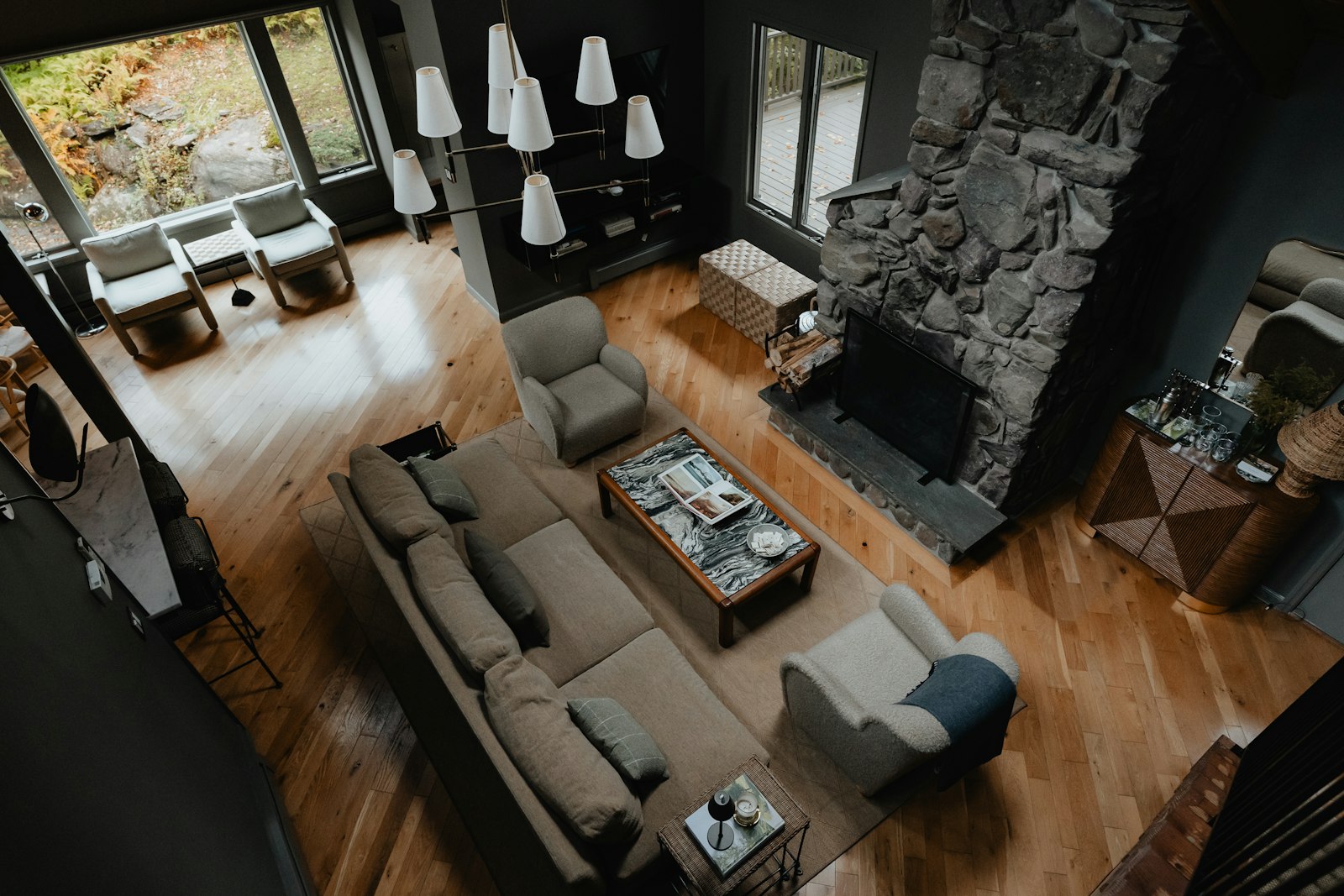
A guest asking an AI assistant to recommend a distinctive, design-forward, or boutique-style stay in a given area is asking a fundamentally different question than a guest searching a generic platform's filtered results - and the AI assistant is drawing on whichever public content clearly and specifically describes what makes a property boutique in the first place.
A boutique property with genuinely distinctive design, story, and detail can be entirely invisible to this kind of query if that distinctiveness only lives in photos and vague marketing language rather than in clearly stated, extractable facts an AI system can actually use.
This is a practical look at how a boutique stay brand specifically - not a generic short-term rental - positions its public content to be a usable, citable source when a guest asks an AI assistant for exactly this kind of recommendation. This is not legal advice.
What Makes a Property Genuinely 'Boutique' in Extractable Terms
"Boutique" as a marketing label means little to an AI system unless it's backed by specific, stated facts - a named architectural style, a specific design lineage, a particular curated amenity, a distinct service philosophy stated plainly rather than implied through photos alone.
State the specific, real details that justify the boutique label directly in text: the designer or design era referenced, the specific materials or craftsmanship involved, the particular curation choices that distinguish the property from a standard rental.
Avoid using "boutique" as an unsupported adjective floating alone in marketing copy. The word itself carries little extractable meaning; the specific facts behind it are what an AI system can actually use to understand and cite the property accurately.
Structuring Content Around the Specific Question a Guest Might Ask
Think through the actual phrasing a guest might use when asking an AI assistant for a boutique recommendation - "a design-forward stay in [area]" or "a small boutique hotel alternative near [landmark]" - and make sure content directly answers that specific framing.
An FAQ section addressing exactly this kind of question - what makes this property different from a standard rental in the area, what specific design or service elements define it - gives an AI system a directly extractable, complete answer to reuse.
Avoid assuming general property description content automatically covers this angle. A guest asking specifically about boutique or design-forward qualities is asking a narrower question than a guest asking generally about stays in an area.
Naming Specific, Real Design and Service Details
Name actual, specific elements - the specific furniture maker, the specific renovation approach, the specific local artisan whose work is featured - rather than general descriptors like "tastefully designed," which carry no extractable, citable substance.
Describe the specific service philosophy that distinguishes a boutique approach - a particular level of personal attention, a specific curated welcome experience - with concrete detail rather than a generic claim about exceptional hospitality that could describe any listing.
Only state details that are actually and currently true. A boutique positioning built on guessed or exaggerated specificity creates a larger credibility gap than a modest, honest boutique claim would, once a guest arrives and compares reality against the marketing.
Consistent Entity Information Across Every Presence
Keep the property's name, specific boutique positioning language, and core distinguishing facts consistent across the OTA listing, an independent website, and social media, so an AI system pulling from multiple sources finds a coherent, reinforcing picture rather than conflicting descriptions.
A dedicated about or story page, if an independent website exists, gives a single, authoritative, detailed source for the specific facts behind the boutique positioning, which both AI systems and human readers can reference directly.
Inconsistency in how the boutique story is told across different platforms - one telling a design story, another telling a completely different story - can confuse the entity recognition that helps an AI system associate all these facts with the same specific property.
Using Reviews and Guest Language as Supporting Evidence
Genuine guest reviews that specifically mention the boutique details - a specific design element, a specific service touch - serve as independent, credible supporting evidence beyond the host's own marketing claims, which some AI systems weigh alongside direct listing content.
Encourage reviews that speak to the specific boutique elements by asking guests directly about those aspects during or after their stay, within whatever review-solicitation practices the relevant platform allows.
This kind of independent, guest-sourced language often uses more natural, varied phrasing than a host's own marketing copy, which can actually help match the varied ways different future guests might phrase a similar question to an AI assistant.
Local and Geographic Specificity Strengthens the Boutique Story
Connect the boutique positioning to genuinely specific local context - a real, named historic building, a real local craftsperson, a real neighborhood characteristic - rather than a boutique aesthetic presented as generic and interchangeable with any location.
This local specificity does double duty: it strengthens the boutique story's credibility and distinctiveness, and it helps an AI system correctly associate the property with a specific place when a guest's question includes a location.
Avoid generic design language that could describe a similar boutique property in any city. The specificity of place is often exactly what distinguishes one boutique stay from another in a guest's actual decision-making, and in what an AI system can accurately convey.
What This Doesn't Guarantee
No amount of content optimization guarantees that a specific AI assistant will cite a specific property for a specific query - too many factors, including which AI system, what other sources exist, and how the query is phrased, are outside any single host's control.
This isn't a substitute for the property actually having genuine boutique qualities. Content optimization can make a real distinctiveness more discoverable and citable; it can't manufacture distinctiveness that doesn't actually exist.
Treat improved AI visibility as a plausible, worthwhile byproduct of writing clear, specific, honest content about genuinely distinctive qualities - not as a guaranteed outcome to measure success against in isolation.
A Practical Starting Checklist
List the specific, real facts that justify your property's boutique positioning, in plain, direct sentences, separate from more narrative marketing language elsewhere on the page.
Build or update an FAQ section that directly answers the specific questions a guest asking for a boutique recommendation would actually ask, phrased the way a real person would ask an AI assistant.
Check consistency of your boutique story and core facts across every platform where the property appears, and correct any conflicting or vague versions found along the way.
Related Reading
More independent-host boutique and hybrid-listing stock reading already live on Crest & Cove.
Frequently Asked Questions
Does calling a property 'boutique' in marketing copy help with AI visibility?
Not much on its own - the label carries little extractable meaning without specific, stated facts behind it. Name the actual design elements, materials, or service philosophy that justify the boutique claim.
What kind of FAQ content helps with this specific type of query?
Questions that directly address what makes the property different from a standard rental - specific design or service elements - phrased the way a real guest might ask an AI assistant for a boutique recommendation.
Should a host guess or exaggerate design details to strengthen a boutique claim?
No - only state details that are actually and currently true. An exaggerated boutique claim creates a larger credibility gap once a guest arrives and compares reality to the marketing than a modest, honest claim would.
How do guest reviews support a boutique AI-visibility strategy?
Reviews that specifically mention boutique details serve as independent, credible supporting evidence beyond the host's own claims, and often use varied, natural phrasing that can match how different guests ask similar questions.
Why does local specificity matter for a boutique property's AI visibility?
Connecting the boutique story to real, named local details strengthens both credibility and an AI system's ability to correctly associate the property with a specific place when a guest's question includes a location.
Can this kind of content optimization guarantee an AI citation?
No - too many factors outside a host's control determine whether a specific AI assistant cites a specific source for a specific query. This approach improves the odds; it doesn't guarantee the outcome.
What's the risk of using generic design language across many boutique listings?
Generic language could describe a similar boutique property in any city, which weakens both the credibility of the boutique claim and an AI system's ability to distinguish this specific property from others.
Where should the deepest, most detailed boutique story content live?
A dedicated about or story page on an independent website, if one exists, giving a single authoritative source for the specific facts that both AI systems and human readers can reference directly.
Does my boutique listing need to rank in Google's top 10 to get cited by an AI assistant?
Not the way it used to. Ahrefs' March 2026 study of roughly 863,000 keyword searches found only 37.9% of pages cited in AI Overviews also ranked in the top 10 organic results, down sharply from about 76% in an earlier mid-2025 study - a shift tied partly to Google switching AI Overviews to Gemini 3 as its default model in January 2026. Roughly a quarter of citations now come from positions 11-100, and over a third from outside the top 100 entirely, so specific, well-structured boutique content can still get cited without a page-one ranking.
Where on the page should the most citable boutique details actually sit?
Near the top. A 2026 analysis (via Search Engine Land, citing Indig) found 44.2% of AI citations come from the first 30% of a page's content, which is exactly where a clear, factual answer about what makes a property boutique should sit - not buried after several paragraphs of scene-setting description.
Work with Crest & Cove Creative
A truly distinctive boutique property can still be invisible to an AI assistant if its distinctiveness only lives in photos, not in stated, extractable facts. Specificity, not the word 'boutique' itself, is what gets cited.
We help boutique hosts turn genuine design and service details into content an AI assistant can actually use and cite. Reach out at crestcove.co or (256) 998-7502. Send the live listing draft and the facts you can actually cite.
Reach out at crestcove.co or (256) 998-7502.


Comments