
Room-Level Listings vs Whole-Home: How Independents Should Choose

Updated: Aug 27
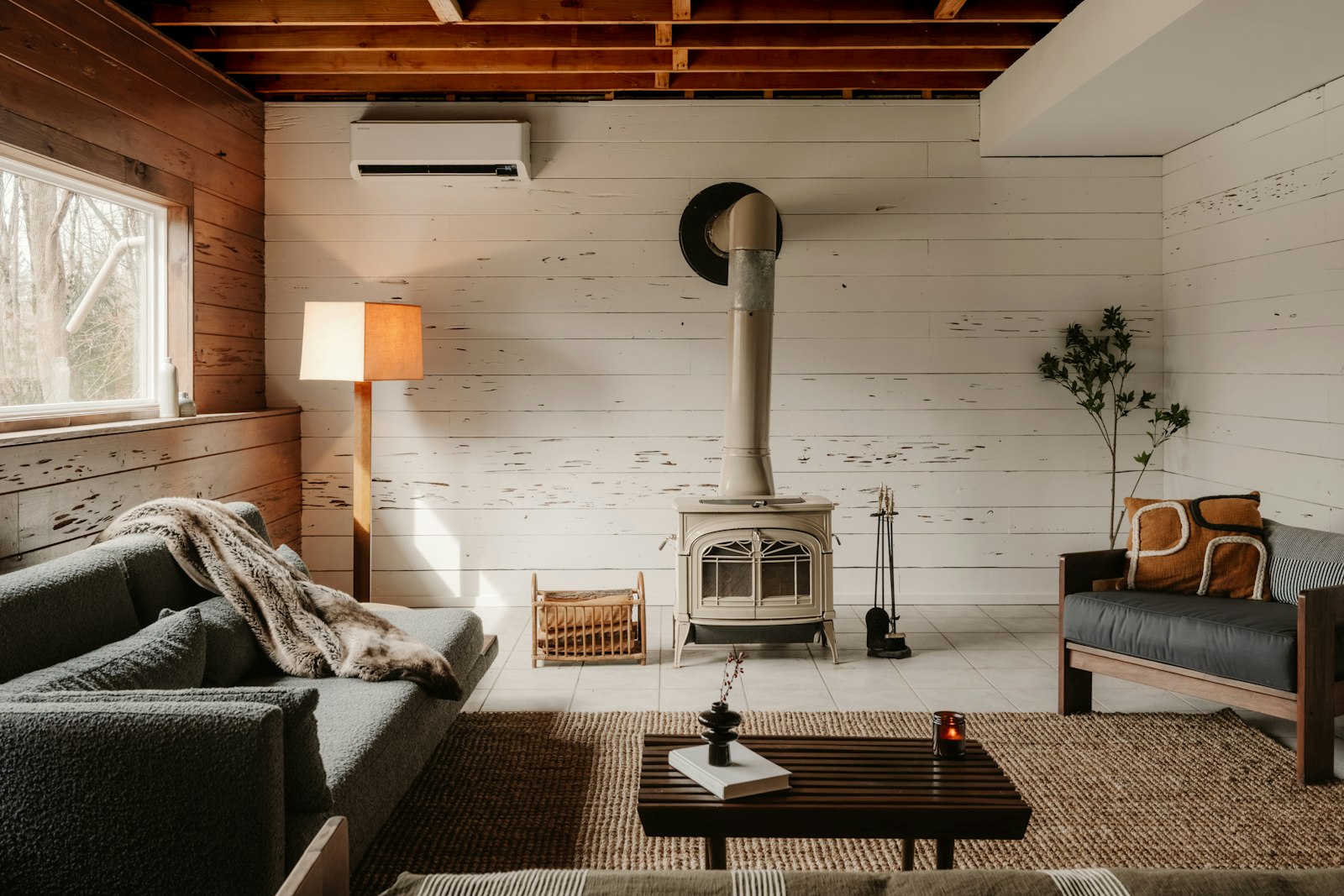
Deciding between room-level listings and a single whole-home listing is a real strategic choice for independent hosts, but it's a choice that has to match what the property can actually deliver operationally. A room listing is not a whole house, and marketing several room types on one property without the house-rule box and turnover process to support that split creates a mismatch guests will notice.
This page is one argument: the decision between room-level and whole-home listings should be driven by what the house-rule box, cleaning schedule, and guest-access setup can actually support - not by which structure generates more total listing slots on a platform.
This is not legal advice. It's a practical framework for choosing an listing stock structure that the property's actual operations can back up, rather than a structure chosen for platform visibility alone.
A room listing is not a whole house
Listing individual rooms separately implies a level of privacy, shared-space etiquette, and access control that has to actually exist at the property - locking doors between rooms, clear common-area rules, and a turnover process that can handle multiple simultaneous guest groups. A whole-home listing implies none of that complexity, because one group has the entire property.
Choosing room-level listings without the physical setup or operational process to support them creates guest experience problems that show up as complaints about noise, shared bathrooms, or unclear common-area access - problems a whole-home listing wouldn't create in the first place.
What you may list this week
Realistically, a property can support one clearly defined listing stock structure change this week - either converting from whole-home to room-level with the house rules and access setup to match, or consolidating scattered room listings back into one whole-home listing if the operational complexity isn't sustainable.
After making that change, check whether the house-rule box, photos, and about block all reflect the new structure consistently. A partial conversion, where some fields still describe the old structure, creates guest confusion regardless of which direction the change went.
Five anti-patterns worth naming directly
The recurring mistakes: listing multiple rooms separately without a house-rule box that actually addresses shared-space access, using room-level listings purely to multiply platform search visibility rather than because the operational setup supports it, describing a loft or unusual space inconsistently across different room listings, running whole-home and room-level listings for the same property simultaneously without clearly separating their calendars, and switching structures repeatedly without giving guests or reviews time to reflect the change.
Each of these produces the same downstream problem: a guest books based on one structure's implied privacy or space, and the actual booking experience delivers something different.
Composite: ten room types, a loft that still doesn't say what it is
Picture a property listed as ten separate room types on a platform, all sharing one loft space that none of the individual listings clearly describes as shared or divided. A guest booking one room type has no way to know, from that listing alone, what they're actually sharing access to.
That confusion surfaces in messages asking who else is staying, and in reviews describing an unexpected shared space. Fixing it means either clearly describing the shared arrangement in every room-level listing's house-rule box, or consolidating back to a single whole-home listing that doesn't need that explanation.
When whole-home is enough
If the property doesn't have a genuinely private, lockable setup for multiple independent room-level bookings, whole-home is usually the more honest and lower-friction structure. Enough doesn't mean less marketing sophistication - it means matching the listing structure to what the property can actually deliver.
Skip a room-level conversion if the main motivation is platform visibility rather than a genuine operational fit. More listing slots without the access control to back them up usually creates more guest confusion, not more bookings.
A thirty and ninety-day check
At thirty days, don't measure this by total listing count across the platform. Check the inbox and the actual guest experience: are guests asking who else is staying, or expressing confusion about shared spaces that the listing structure should have already clarified?
At ninety days, look at whichever room type or listing structure still generates the most confused guest questions. If a specific room listing keeps generating the same shared-space question, that's the listing structure to revisit first.
Related Reading
More independent-host boutique and hybrid-listing stock reading already live on Crest & Cove.
Frequently Asked Questions
Should I list my property as individual rooms or as one whole-home listing?
That depends on whether the property actually has lockable, private setups for each room and a turnover process that can handle multiple simultaneous guest groups. If that infrastructure doesn't exist, whole-home is usually the more honest and lower-friction structure.
What's the biggest risk with room-level listings?
Listing individual rooms without a house-rule box that clearly addresses shared-space access, turnover, and privacy. Guests booking a room-level listing without that clarity often discover unexpected shared spaces after arrival, which shows up in reviews.
Can I run whole-home and room-level listings for the same property at once?
Only with clearly separated calendars and house rules that account for both structures without conflicting. Running both without that separation risks double-booking or guest confusion about who else is on the property.
Why would room-level listings hurt my guest experience?
If the physical setup or house rules don't actually support the privacy and access control a room-level listing implies, guests will notice the gap between what the listing suggested and what they experienced — usually around noise, shared bathrooms, or common-area access.
How do I know if my property is a good fit for room-level listings?
Check whether each room has genuine lockable privacy, whether the house-rule box can clearly describe shared-space etiquette, and whether your turnover process can handle multiple simultaneous guest groups. If any of those is missing, room-level listings will create more friction than bookings.
Is listing multiple rooms separately a good way to increase visibility on a platform?
It can increase the number of searchable listings, but only if the underlying operational setup supports it. Using room-level listings purely for visibility, without matching house rules and access control, usually creates guest confusion rather than more genuine bookings.
What should I check before converting a whole-home listing to room-level?
Confirm the house-rule box, photos, and about block will all consistently describe the new structure, and that shared spaces are clearly explained in every individual room listing. A partial conversion where some fields still describe the old structure creates confusion.
What's the ninety-day check for deciding between room-level and whole-home?
Look at which specific room listing or structure generates the most repeated guest confusion about shared spaces or access. That's the listing structure to revisit first, regardless of which format seemed more appealing when you set it up.
Work with Crest & Cove Creative
A room listing is not a whole house. Ten room types are extra load if Saturday still doesn't say what the loft actually is or who's sharing it.
Bring us your current listing structure and we'll help you decide whether room-level or whole-home actually matches what the property and your operations can deliver. Name the failure mode the guest can check on the listing.
Reach out at crestcove.co or (256) 998-7502.


Comments