
OTA Presence for Boutique Properties Without Diluting Brand

Updated: Aug 27
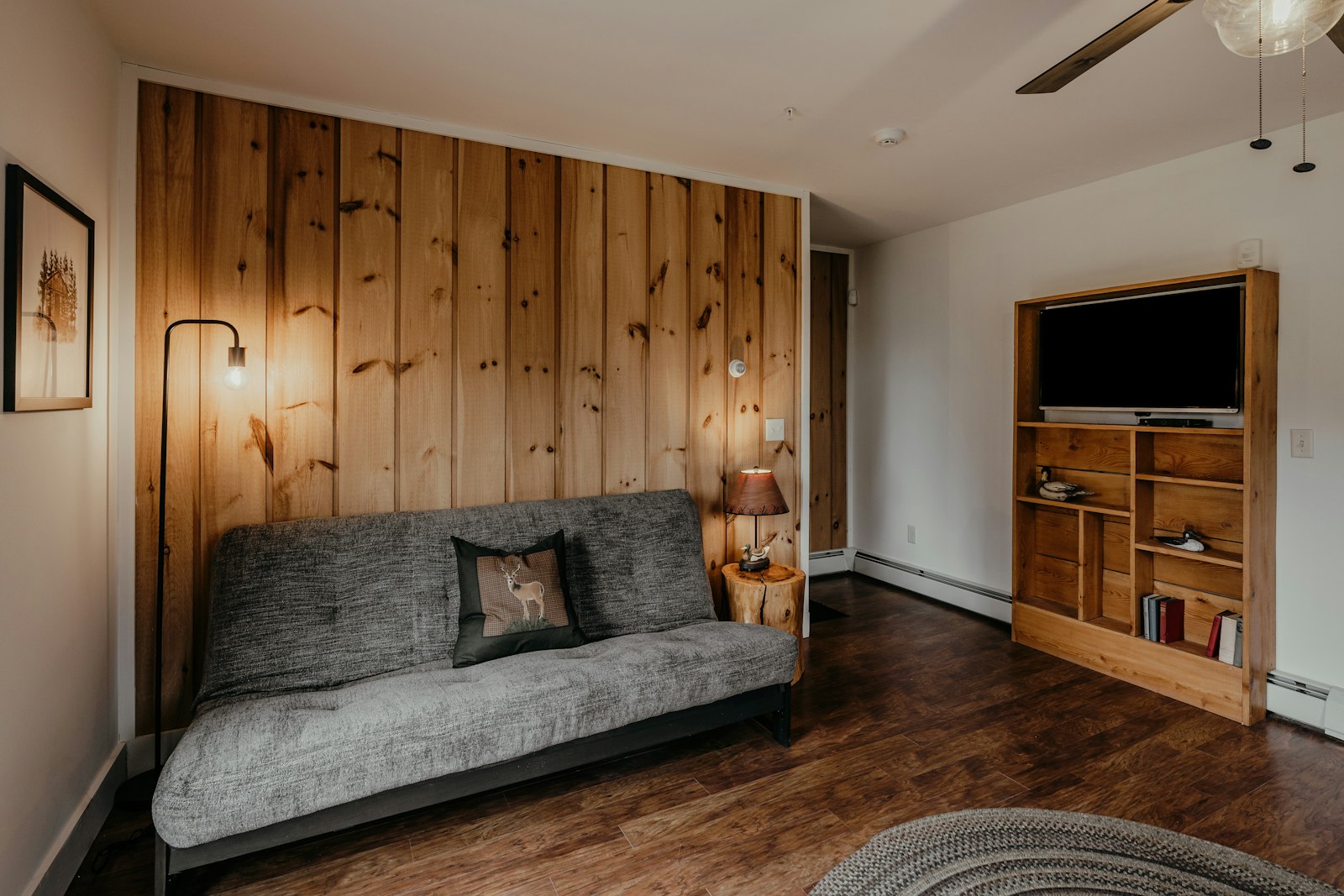
A boutique property - one built around a specific aesthetic, story, or level of curated detail - faces a real tension when listing on major online travel agency platforms: the platform's standardized layout, review format, and search ranking mechanics push every listing toward looking and reading similarly, regardless of how distinctive the actual property is.
This doesn't mean OTA presence isn't worth it for a boutique property - the visibility and booking volume most platforms provide is real and hard to fully replace. It means the brand work has to happen deliberately within the platform's constraints, rather than assuming the platform will preserve distinctiveness on its own.
This is a practical look at where a boutique brand can still assert itself within a standardized platform format, and where a host needs to build brand presence outside the platform entirely to fully express what makes the property distinct. This is not legal advice.
Where Platform Standardization Genuinely Limits Brand Expression
Most OTA platforms use a fixed layout - a photo carousel, a structured amenity list, a description field with formatting limits - which means the platform's own design language, not the host's, shapes a guest's first visual impression before they even read a word.
Review sections follow the platform's own format and rating system, which means a boutique property's specific service philosophy gets filtered through the same star-rating structure applied to every other listing on the platform, regardless of how different the actual experience is.
Accept this constraint honestly rather than fighting it - trying to force a highly customized visual brand into a platform that doesn't support it usually produces a worse experience than working skillfully within the platform's actual capabilities.
Where Real Brand Differentiation Is Still Possible on the Platform
The description field, even with formatting limits, is still where a boutique property's actual voice and specific detail can come through most clearly - specific, distinctive language does more brand work here than anywhere else on a standardized platform.
Photo selection and sequencing, within the platform's carousel format, still allow real curation - choosing images that convey the property's specific aesthetic and story, rather than defaulting to generic wide shots every similar listing tends to use.
The host's own response style in messaging and review replies is entirely within a host's control regardless of platform constraints, and a distinctive, consistent voice there reinforces brand identity even within a standardized interface.
Building Brand Presence Outside the Platform Entirely
An independent website gives a boutique property full control over layout, story, and visual presentation in a way no OTA platform allows, making it the natural home for the deeper brand expression the platform can't accommodate.
Social media presence, particularly visually oriented platforms, offers another space for a boutique property's specific aesthetic to live fully, reaching potential guests before they ever land on the constrained OTA listing itself.
Direct guest communication - a pre-arrival welcome message, a personalized touch during the stay - is unconstrained by any platform format and is often where a guest experiences the boutique brand most fully and memorably.
Using OTA Presence and an Independent Brand Together
Treat the OTA listing as a discovery channel and the independent website or social presence as the deeper brand expression - a guest who discovers the property on a platform can be guided toward the fuller brand story elsewhere.
Where platform terms allow, reference the property's own website or social presence within the listing itself, giving an interested guest a path to the fuller brand experience beyond what the platform format supports.
Keep factual consistency between the OTA listing and any independent presence - the same amenities, the same accurate details - even while the tone and depth of storytelling can differ meaningfully between the two.
Managing the Review System's Effect on Perceived Brand Positioning
A platform's standardized star-rating and review-comment format can flatten a nuanced, boutique guest experience into the same generic feedback structure applied to a budget listing, which can understate what actually makes the boutique experience distinctive.
Encourage reviews that specifically mention the details that matter to the boutique positioning - a specific service touch, a specific design element - by asking guests directly about those aspects, within whatever review-solicitation practices the platform allows.
Respond to reviews in a voice consistent with the boutique brand's overall tone, since review responses are one of the few places on a standardized platform where a host's specific voice can come through clearly and repeatedly.
Pricing Presentation Within a Standardized Format
A boutique property's premium positioning needs to be communicated through specific, tangible detail - not just a higher price displayed alongside the same generic amenity icons every other listing uses - since price alone doesn't explain why a guest should choose a boutique option over a similarly priced alternative.
Use the description and photos to make the case for the premium positioning explicitly, connecting specific, real details to why the property justifies its price point, rather than assuming price signals quality on its own within a platform where many listings are competing on the same visual terms.
Watch how the listing compares directly against nearby boutique and non-boutique competitors within the same platform search results, since that comparative context is exactly what a guest is actually seeing when evaluating the price.
Choosing Which Platforms Actually Fit a Boutique Positioning
Not every OTA platform serves a boutique property equally well - some platforms and their guest bases lean more toward budget-conscious, high-volume browsing, while others attract a guest base more aligned with a boutique property's actual positioning and price point.
Evaluate platform fit based on the actual guest behavior and booking patterns you observe, not just on general reputation or platform size, since a smaller, more curated platform sometimes serves a boutique brand better than the largest, highest-volume option.
Consider whether a niche or boutique-specific booking platform, where one exists for your property type, offers a format better suited to brand expression than a large, generalist OTA, even if it comes with lower overall visibility or volume.
Reassessing This Balance as the Property and Brand Evolve
Revisit the balance between OTA presence and independent brand expression periodically, since a boutique property's growing reputation may eventually support a higher share of direct bookings, shifting the optimal mix over time.
Track roughly where bookings actually originate - platform search, direct website, referral - to understand which channel is actually doing the work of converting interest into revenue, informing where to invest further brand-building effort.
Avoid treating this as a one-time strategic decision. The right balance between platform visibility and independent brand depth is something to revisit as the property, the market, and the available platforms all continue to change.
Related Reading
More independent-host boutique and hybrid-listing stock reading already live on Crest & Cove.
Frequently Asked Questions
Can a boutique property fully express its brand within a standard OTA listing?
Not fully. Platform layout, review format, and ranking mechanics apply the same structure to every listing regardless of how distinctive the property actually is. The description field, photo curation, and messaging voice are where real differentiation is still possible within those constraints.
Where should the deeper boutique brand story actually live?
An independent website and social media presence, both of which give full control over layout and storytelling that no OTA platform allows. Use the platform listing as a discovery channel that points interested guests toward that fuller story elsewhere.
How does a platform's review system affect a boutique property's positioning?
A standardized star-rating and comment format can flatten a nuanced experience into the same generic feedback structure applied to a budget listing. Asking guests specifically about the details that matter to the boutique positioning helps counter that flattening effect.
Should pricing alone communicate a boutique property's premium positioning?
No. Price displayed alongside the same generic amenity icons every other listing uses doesn't explain the premium on its own. Specific, tangible detail in the description and photos needs to make that case explicitly, connecting real features to why the property justifies its price point.
Do all OTA platforms serve a boutique property equally well?
No. Some platforms and their guest bases lean more toward budget-conscious, high-volume browsing, while others attract a guest base more aligned with boutique positioning and price point. Evaluate platform fit based on actual observed guest behavior, not just general reputation or platform size.
How should a host connect an OTA listing to an independent website or social presence?
Reference the independent presence within the listing where platform terms allow, and keep factual details, the same amenities, the same accurate specifics, consistent across both, even while the tone and depth of storytelling can differ meaningfully between them.
Should a boutique host reconsider their platform mix over time?
Yes. As a property's reputation grows, a higher share of direct bookings may become viable, shifting the optimal balance between platform visibility and independent brand depth. Revisit this periodically rather than treating the OTA-versus-direct mix as a one-time, fixed decision.
What's the most controllable brand element within a standardized OTA listing?
The host's own messaging and review-response voice, which is entirely within a host's control regardless of platform layout constraints. A distinctive, consistent tone there reinforces brand identity across every guest interaction, even inside a standardized interface.
Work with Crest & Cove Creative
A platform's standardized layout can flatten even the most distinctive boutique property into a generic listing. Real brand expression has to happen deliberately within and beyond that format, not by accident.
We help boutique hosts maintain a distinct brand voice on OTA platforms while building the deeper story on their own site and social presence. Reach out at crestcove.co or (256) 998-7502. Send the live listing draft and the facts you can actually cite.
Reach out at crestcove.co or (256) 998-7502.


Comments