
Photography Direction for Boutique Interiors

Updated: Aug 30
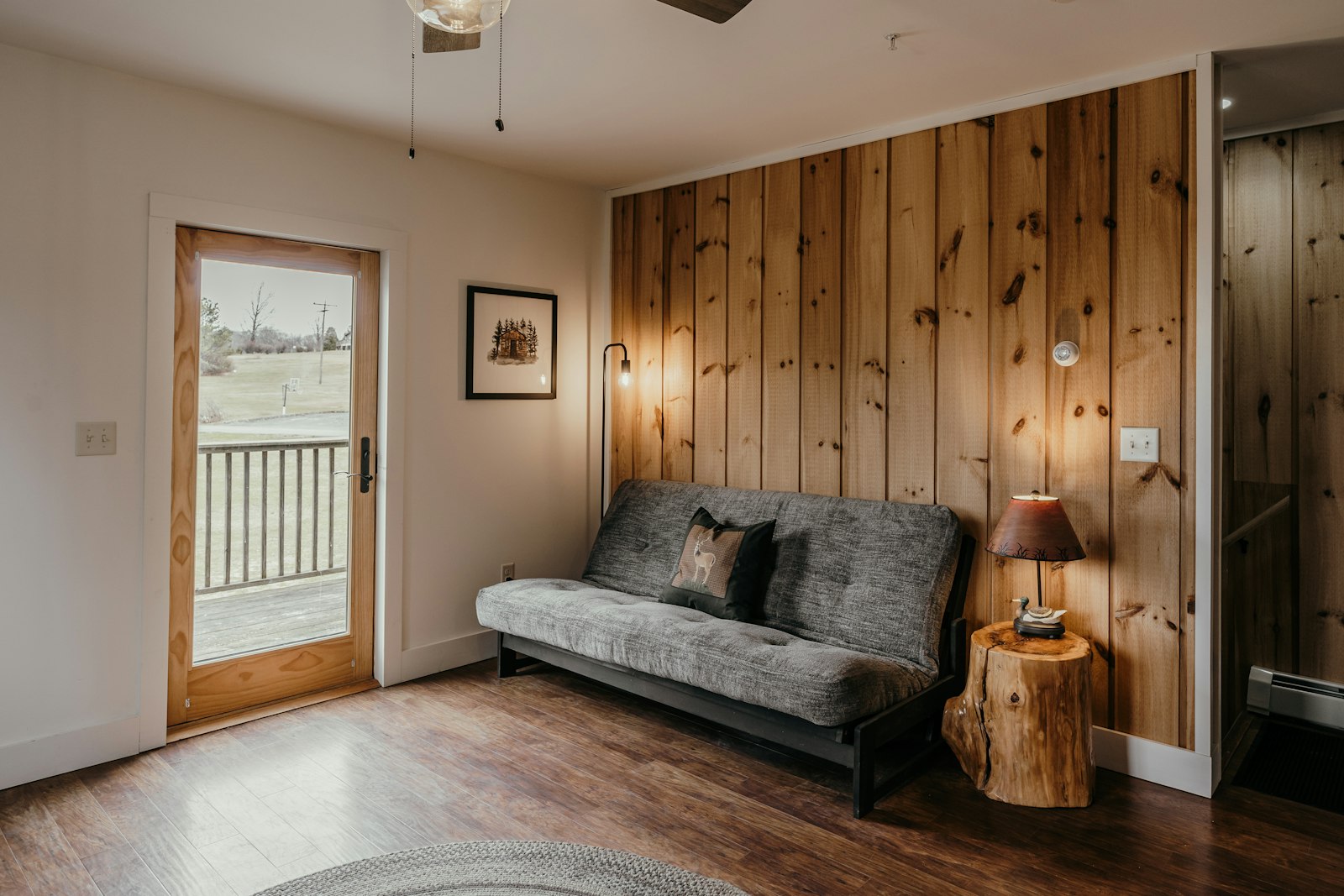
Boutique and hybrid-listing stock hosts run into a specific photography trap that single-unit hosts rarely see: a property with several room configurations, shared spaces, or convertible layouts is genuinely harder to photograph honestly than a plain three-bedroom house. It is tempting to solve that difficulty with styling, ten beautifully lit recrops of the same corner, a loft shot from the one angle that hides the low ceiling, a shared living room cropped to look private. The photos get better. The listing does not get more accurate.
This piece is about directing that photography so it still tells the truth, especially about the one photo that matters most: the search tile, the image a guest sees before they click anything else. If that tile shows a room type the guest will not actually get, no amount of styling downstream fixes the mismatch. It just delays the moment the guest notices.
None of this is an argument against good photography. Boutique properties deserve real photo direction, not a phone snapshot. The point is narrower: every styling decision should be able to point at something specific on the live listing, the title, the about section, the house rules, or the room type a guest is actually booking. If a shot cannot point at one of those, it is decoration, not direction. This is not legal advice.
A Styled Photo Is Not a Second Listing
The core discipline here is simple to say and easy to drift away from: a styled interior photo should represent a room the property will actually deliver, not a mood the property is aspiring to. A gorgeous, softly lit loft shot only earns its place on the listing if that loft is the room the guest will be sleeping in, not a converted attic space with a low ceiling that never made it into the about section.
Before approving any shot, ask what it is supposed to change on the listing. Does it replace the search tile because the current tile shows a room type the guest does not get? Does it support a claim already in the about section? Does it illustrate a shared space honestly, labeled as shared rather than cropped to look private? If a photo cannot answer one of those questions, it is not adding information, it is adding polish to a claim nobody has checked.
Keep the ambition for any single photo shoot narrow enough that you can actually finish it. One hybrid-listing stock listing can support one honest search tile that matches the real room type, one clear treatment of shared spaces, and a small set of supporting shots that back up what the about section already says. Trying to reinvent the whole visual story of the property in one styling session is how a shoot turns into a folder of pretty images nobody ever cross-checks against the listing text.
What to Shoot This Month
Give yourself one clear photography priority per month rather than a sprawling wish list. If the current search tile shows a styled corner that does not match the room type guests actually book, replacing that single photo is the priority. If a shared living room or kitchen is currently shot in a way that implies private, exclusive access, reshooting or recaptioning it to read honestly as shared space is the priority.
A useful rule for boutique and hybrid properties: shoot the room type, not the mood. If a guest is booking a single bedroom within a larger shared home, the hero image for that listing should show that bedroom, not a wide, flattering shot of the whole house's common areas that implies more space and privacy than the booking includes. Guests who book based on the wrong implied room type are the guests most likely to message you confused, or leave a review pointing out the gap.
This is also the month to resist the urge to change five things at once, a new title, a new about section, a new hero photo, and a new house-rule summary, all in the same week. Changing everything at once makes it hard to tell which change actually helped, and it makes it easy for one inaccurate claim to slip through unnoticed among four accurate ones. Pick the one photo or one claim that most needs fixing, fix it, and confirm it is right before moving to the next.
Five Ways Boutique Photo Shoots Go Wrong
The first failure is the second-house tile: a beautifully styled photo used as the search-result hero that implies a different room, layout, or level of privacy than the guest will actually get. This is the single most consequential mistake here, because the search tile is often the only thing a potential guest sees before deciding to click at all.
The second is captioning a room the house rules do not support. A loft gets a lovely caption about a cozy reading nook, but the house rules never mention it as a usable, bookable space with defined access. If a photo implies a room is part of the stay, the house rules and about section need to say so plainly.
The third is quantity mistaken for quality: ten styled recrops of the same corner, ranked by which one has the nicest morning light, none of which changes anything about what the guest actually learns from the listing. A photography session that produces a folder of pretty but redundant images has not improved the listing's accuracy at all.
The fourth is letting a photo shoot become an excuse to ignore the inbox. A styling session is not more urgent than a guest question sitting unanswered for a day. Photography can wait an afternoon. A confused guest usually cannot.
The fifth is guessing a marketing benefit that photography does not actually create, claiming a particular crop or styling choice will boost search ranking or booking rate. There is no published ranking benefit tied to how a listing photo is styled beyond the platform's own general photo-quality guidance, and claiming otherwise sets an expectation that will not be met.
Where Photography Direction Ends and the Full Shot System Begins
It is worth being clear about scope. A full photography shot list, the order of images, lighting setup, and staging approach for a property is its own larger system, and this guidance is not trying to replace it. What this covers is narrower: the specific judgment calls that come up for boutique and hybrid-listing stock properties, where more than one room type or configuration exists and a styling choice can easily blur the line between them.
If your listing needs a full photography refresh, that is a bigger project than a single styling decision, and it deserves its own planning rather than being bolted onto a quick interior touch-up. But if the immediate problem is a search tile that no longer matches the room type, or a shared space that reads as private, that is a fast, contained fix, and it is the kind of fix that should happen this week rather than waiting for the next full shoot.
A Composite Example: Ten Recrops, One Room Still Unclear
Picture a three-bedroom hybrid property, managed remotely, with ten freshly styled photos of a loft space delivered by a photographer last spring. The search tile is a wide, beautifully lit shot of that loft with morning light. The listing title still calls it a bedroom. The about section mentions coffee and woods, nothing about the loft's ceiling height or its actual sleeping capacity. The house rules mention quiet hours but nothing about the lockbox location or what time check-in actually starts.
Every week, the same three questions arrive in the inbox: is the loft really a bedroom, where is the lockbox after dark, and does check-in really start at the time the listing implies. None of the ten styled photos answered any of those questions. They made the loft look wonderful. They did not make the listing accurate.
The fix here is not to throw away the photography, it is three specific moves. First, replace the search tile with a photo that honestly represents the room a guest will sleep in, or add a caption that sets the right expectation about ceiling height and layout. Second, add the lockbox location and the real check-in time to the house rules this week, independent of any further photo work. Third, pick one of the ten loft photos that best supports the corrected room description, and quietly retire the rest rather than keeping all ten in rotation implying variety that does not exist.
Once those three things are true, the same styled photography can keep working, because it now supports an accurate listing rather than covering for an inaccurate one.
The 30-Day and 90-Day Check
Thirty days after any interior photo change, sit down with the listing open and ask three plain questions: does the search tile still match the room type a guest will actually get, does the about section still match what the photos show, and are the house rules still specific enough that a guest would not need to message you to confirm arrival details. If the answer to any of those is no, that is this month's fix, not next month's.
If nothing changed except that you added more styled photos to a folder, that is worth noticing. More photos are not the same as more accuracy. The useful outcome of a photography review is a specific, dated change to the search tile, the about section, or the house rules, not simply a larger image library.
At ninety days, look back at the same three questions and check whether guest messages about room type, access, or arrival have actually gone down. If the same confused questions keep arriving despite a fresh round of photography, the problem was never the photo quality, it was the mismatch between the image and the listing text. Fix the text and the room description before scheduling another shoot.
The Bottom Line
For boutique and hybrid-listing stock hosts, photography direction is less about finding a better angle and more about discipline: every styled photo, especially the search tile, needs to be able to point at a specific, accurate claim on the live listing. If it cannot, it is not helping guests understand the property, it is decorating a gap that a guest will eventually notice on their own.
Shoot the room type, not the mood. Keep shared spaces labeled as shared. Fix the search tile first if it is the one thing misleading guests before they even click. And measure success by whether the confused questions in your inbox go down, not by how many beautifully lit photos are sitting in a folder.
Related Reading
More independent-host boutique and hybrid-listing stock reading already live on Crest & Cove.
Frequently Asked Questions
Why is a styled interior photo not the same as an accurate listing?
A styled photo can be technically beautiful while still implying a room type, privacy level, or layout the guest will not actually get. The photo and the listing text need to agree. If a loft is shot to look like a private bedroom but the about section never confirms it as bookable sleeping space, the photo is creating an expectation the listing itself has not backed up.
What is the single most important photo to check on a hybrid-listing stock listing?
The search tile, since it is often the only image a potential guest sees before deciding whether to click through at all. If that tile shows a styled shot that does not match the actual room type being booked, it is setting the wrong expectation before the guest has read a single word of the listing.
How many new photos should I approve in a single styling session?
Focus on the one or two changes that most need to happen, replacing an inaccurate search tile, relabeling a shared space honestly, rather than approving a large batch of similar styled shots. A folder of ten redundant recrops of the same corner does not add new accurate information to the listing; it just adds volume.
Should I caption a room that is not mentioned in my house rules or about section?
No. If a photo shows a space you want guests to treat as part of the stay, add that space to the about section and, if relevant, the house rules first. A caption on a photo is not a substitute for the listing text a guest actually relies on when deciding whether the space is included.
Is it okay to pause guest messages while I focus on a photo shoot?
No. A styling session is not more time-sensitive than an unanswered guest question. Photography can be scheduled around your response times; guest questions generally cannot wait a day without risking a frustrated guest or a lost booking.
Does better interior photography improve search ranking or booking rate?
There's no published ranking weight tied to a specific styling choice beyond general photo-quality guidance most platforms already publish. Treat accurate, well-lit photography as a trust and clarity improvement for guests, not as a guaranteed ranking or booking lift, and avoid promising either to yourself or to owners you manage for.
What is the difference between this kind of photo direction and a full photography shoot plan?
A full shot list and lighting plan is a larger, standalone project covering the whole property. This guidance is narrower: it is about the specific judgment calls that come up on boutique or hybrid-listing stock listings where more than one room type exists, and where a styling choice can easily blur which room a guest is actually booking.
How do I know if a photography fix actually worked?
Check whether the specific guest questions you were getting, about room type, privacy, or access, actually decrease after the fix. If guests keep asking the same questions despite new photos, the real problem was likely the listing text rather than the photo styling, and that is what needs to change next.
What should I do with older styled photos that no longer match the listing?
Retire them rather than leaving them in rotation. Keeping several outdated or misleading photos alongside a corrected search tile and about section still risks confusing a guest who scrolls through the full gallery, even if the hero image is now accurate.
Work with Crest & Cove Creative
Boutique hosts often fix a listing's look with a styled photo shoot while the search tile still shows guests a room they are not actually booking. Name the failure mode the guest can check on the listing.
Share your current gallery and the listing it is attached to, and we will flag exactly which photos no longer match the room a guest books. Reach out at crestcove.co or (256) 998-7502. Send the live listing draft and the facts you can actually cite.
Reach out at crestcove.co or (256) 998-7502.


Comments