
Market Gear Storage Guests Can Actually Use on Arrival

Updated: Aug 26
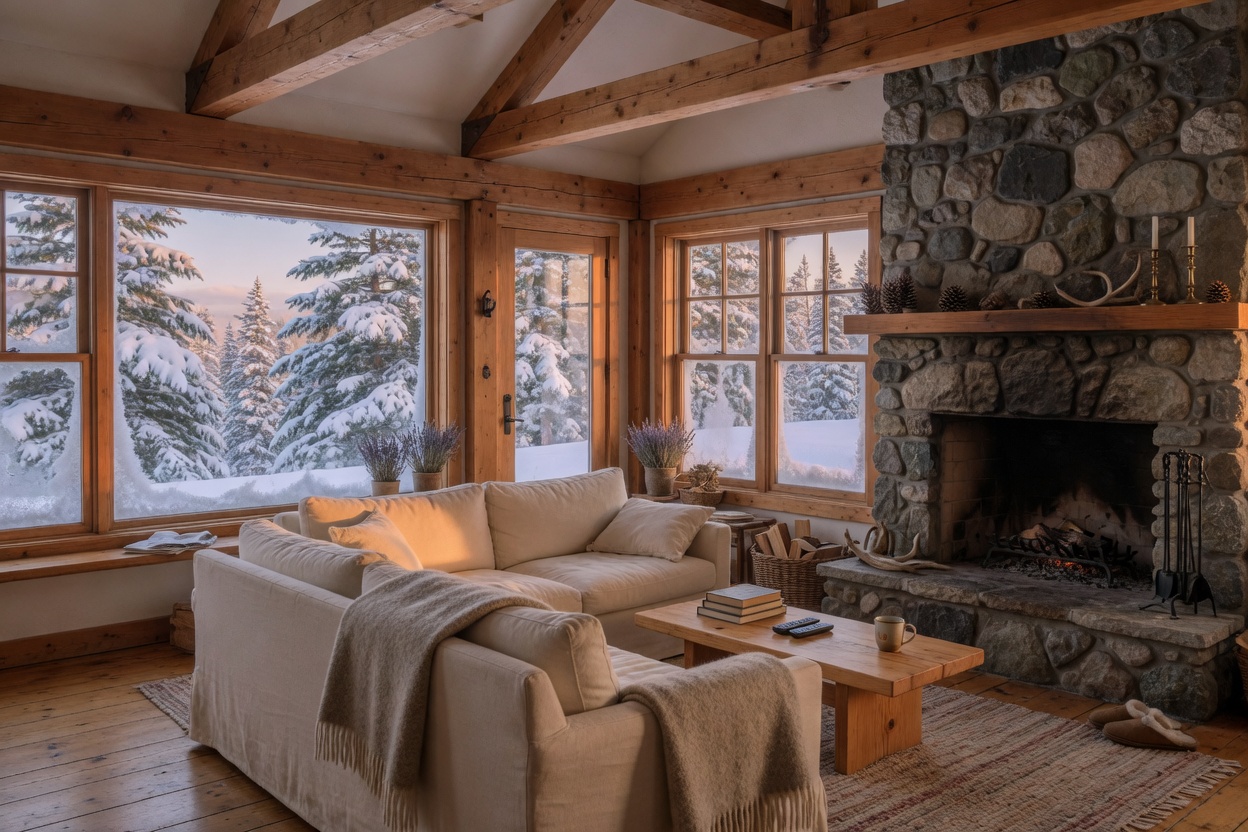
A styled mudroom photo with rental skis leaned against the wall tells a guest nothing about whether their actual boots, wet from a day on the mountain or the trail, will have somewhere to dry before tomorrow. Gear storage and drying space are genuinely valuable amenities for outdoor-adjacent listings, but only when the listing describes what a guest can actually use, not a staged scene built to look adventurous in a thumbnail.
The failure mode this page exists to prevent: hosts market a soft adventure-costume version of gear storage, using aspirational photos and vague language, while the actual space guests get on arrival can't hold what they showed up with. A guest who booked expecting a working drying setup and finds a coat hook and a damp corner is going to write about that gap specifically.
None of what follows is legal advice, and this page invents no booking lift or ranking benefit from better gear-storage copy. It's a description of where the line sits between honest amenity marketing and a costume that breaks the moment a real guest tries to use it.
The fix, in nearly every case, is smaller than it sounds: a few real fixtures, an honest photo, and a caption that describes what's actually there instead of what would look good in a thumbnail. None of it requires a renovation budget to get right. This is not legal advice.
Market Only What Guests Can Actually Use
Gear storage and drying space should be marketed only when a guest can walk in wet from the trail and actually use them, not when they exist mainly as a photogenic backdrop. If the space photographs well but has no hooks, no floor drainage, and no ventilation, the photo is promising something the room can't deliver. The distinction between the two is easy to state and just as easy to forget under deadline pressure.
This distinction matters most in shoulder seasons, when gear tends to be wetter and grimier than the curated summer version most listing photos show. A drying rack that works fine for a dry August hiking boot may be completely inadequate for a soaked ski jacket in February, and the listing should reflect whichever season it's actually being marketed for.
Write the claim to match the room, not the aspiration. "Mudroom with hooks, boot tray, and a small dehumidifier" is checkable and specific; "gear-ready adventure basecamp" is neither, and it sets an expectation the room will have to work hard to meet.
Photograph the Space Guests Will Actually Meet
Photos proving usable storage and drying should show the actual space in a state close to how a guest will find it, not a fully staged scene with equipment that doesn't belong to the property. A guest comparing the photo to the real room on arrival is the moment trust either holds or breaks. That single substitution changes how a guest plans their trip before they ever arrive.
If the space is small, photograph it honestly at that scale rather than using an angle that implies more room than exists. A guest who arrives expecting a walk-in gear room and finds a closet with two hooks will feel misled even if the closet is perfectly functional for its actual size.
Match photo seasonality to the season currently being sold, the same discipline that applies to every other room in the listing. A summer gear photo attached to a winter booking window tells a skier nothing useful about whether their boots will dry overnight.
Write Amenity Claims Against Guest Questions, Not a Mood Board
The most useful gear-storage description comes from the questions guests have already asked, not from an imagined ideal setup. If multiple guests have asked whether there's somewhere to hang wet gear, that's the exact sentence to add to the listing, worded plainly enough that the next guest never has to ask. Hosts who make this substitution consistently see fewer arrival-night messages about wet gear.
Date each amenity update and note which guest thread prompted it. That habit turns the gear-storage section into a running answer to real confusion, rather than a generic paragraph copied from a template that happens to mention mudrooms.
A composite failure worth naming directly: a host writes a full gear-storage paragraph, the room itself never gets a hook installed or a drainage mat added, and guests keep asking the same question the paragraph was supposed to answer. Writing about a feature and building the feature are two separate tasks, and only one of them actually helps a guest.
The Anti-Patterns Worth Retiring
Soft adventure-costume photography, staged with gear that isn't the property's own, is the most visible version of this failure, but it's not the only one. Vague claims like "plenty of room for all your gear" without any specifics about hooks, drainage, or ventilation leave a guest guessing right up until they arrive. That same review process applies equally well to any other amenity claim on the listing, not just gear storage.
Copying a neighboring listing's gear-storage language without confirming it's true for this specific space is another common shortcut. A borrowed sentence about a heated boot dryer means nothing if this particular mudroom doesn't have one, and guests who booked based on that borrowed claim will hold this host accountable for it.
Retiring these patterns doesn't require a renovation. It requires matching the claim to the room as it actually exists today, and being specific enough that a guest can tell, before booking, exactly what they're going to find.
What Belongs in an Honest Gear-Storage Description
Name the specific fixtures: hooks and how many, whether there's a boot tray or drainage mat, whether a dehumidifier or fan is available, and roughly how much floor or closet space the area actually offers. Each of these is checkable, unlike a general claim about the space being "gear-friendly." That one habit alone closes most of the gap this page is written to address.
Note what the space does not accommodate, if relevant. A small mudroom that comfortably handles two sets of hiking boots but not a family's worth of ski gear should say so, because the alternative is a guest discovering the limit themselves, mid-stay, with nowhere else to put wet equipment.
Keep the listing's calendar and season language honest alongside this description. A gear-storage claim written for peak winter should be revisited before the listing markets a summer stay, since the same space likely serves a different function, and a different level of urgency, depending on the season.
If the space serves double duty, storing beach gear in summer and ski equipment in winter, say so directly rather than describing only one use case year-round. A guest booking a July stay doesn't need to know about boot-drying capacity, but a guest booking in January absolutely does, and the same paragraph shouldn't try to serve both without distinguishing between them.
A Small Investment That Changes What Can Be Claimed
A handful of low-cost fixtures, a row of hooks, a boot tray, a small dehumidifier, can turn a vague mudroom into a space with genuinely specific, marketable features. This isn't about a major renovation; it's about closing the gap between what the listing currently claims and what the room can currently support. Consistency across seasons matters more here than any single dramatic photo ever could.
Prioritize the fix that closes the biggest gap first. If the listing already implies a working drying setup but the room has no ventilation at all, that's a higher-priority fix than adding a second hook to a wall that already has three.
Photograph the improvement once it's made, and update the listing copy the same week. A fixture that exists in the house but never made it into the listing helps the host's sense of the property, but it doesn't help the next guest who's still reading the old, vaguer description.
Match Gear-Storage Claims to Who the Stay Actually Fits
Not every property needs to serve every kind of outdoor guest equally well. A listing near a ski hill with a small mudroom might genuinely fit day hikers better than a family arriving with a full set of downhill gear, and saying so directly helps the right guest self-select before booking. A host who checks this every season rarely has to relearn the same lesson twice.
This isn't a limitation to hide; it's a detail that, stated plainly, prevents a mismatch that would otherwise show up as a complaint after arrival. "Best suited for hiking and trail gear; limited space for full ski equipment" is more useful to a guest than a generic claim that quietly overpromises.
Revisit this framing each season, since the kind of gear guests bring changes with the calendar. A space well suited to summer hiking boots may need a different, more specific claim once winter ski season shifts what guests are actually showing up with.
A Worked Example: The Photogenic, Unusable Mudroom
A host stages a mudroom with a friend's rental skis and snowboard leaned artfully against a bench, captions it "gear-ready basecamp," and books a family arriving from a full weekend on the slopes. The room, in reality, has one hook and no ventilation, and the family's actual gear, soaked through, has nowhere to go but the bathtub. Reviewing this section once at the start of each season is usually enough to catch a gap before it generates a guest complaint.
The review that follows doesn't complain about the photos being staged exactly; it specifically calls out arriving with a claim that didn't match what the room could handle. The gap between the photographed scene and the functional space is what generated the complaint, not the presence of a photo at all.
The fix costs less than the shoot did: install four real hooks, add a small dehumidifier, photograph the room as it actually exists with the host's own gear rather than borrowed equipment, and rewrite the caption to something specific and modest, "four hooks, small dehumidifier, fits two sets of ski gear comfortably." The next family's wet gear finally has somewhere real to go.
When the Gear-Storage Section Is Actually Done
The section is done when the photo, the written description, and the actual room all describe the same thing, and when guest questions about drying wet gear stop repeating. That alignment, not a longer paragraph, is what actually reduces arrival-night friction.
At that point, additional gear-storage marketing is optional load rather than required work. A host who keeps adding adjectives to an already-accurate description is polishing something that wasn't the problem in the first place.
Stop refining this section once the inbox goes quiet on the specific question it exists to answer. That quiet is the actual signal the listing and the room have finally caught up to each other.
A Small Detail That Changes an Entire Season's Reviews
Gear storage sounds like a minor amenity next to bedrooms and views, but for a listing near a trailhead or a ski hill, it's often the detail that decides whether a stay feels well-planned or chaotic by the second night. A family with nowhere to dry gear ends up draping wet jackets over furniture, which shows up in reviews as a complaint about the house feeling cramped or poorly maintained, even when the actual issue was a missing hook.
Fixing this one detail can shift an entire season's review pattern for an outdoor-adjacent property, because it removes a recurring friction point that was quietly showing up as vaguer complaints about clutter or disorganization. The connection between the missing amenity and the review language isn't always obvious until a host looks for it directly.
This is worth checking specifically during the season gear actually gets used hardest. A host reviewing summer reviews for hints about a winter gear-storage gap is looking in the wrong season; the complaint pattern, if it exists, will show up in reviews written during and right after the wettest, muddiest, or snowiest stretch of the year.
Search past reviews for words like "wet," "muddy," "nowhere to," or "cramped" rather than assuming a low overall rating means nothing specific went wrong. Those specific words, pulled from actual guest language, often point directly at a gear-storage gap even when the review's overall tone reads as generally positive.
What a Gear-Storage Claim Can Genuinely Support
An honest, specific gear-storage description can genuinely support a guest's decision to book with confidence about a real, practical need, especially for outdoor-adjacent stays where wet gear is a predictable part of every trip. That's real value, earned by specificity rather than atmosphere.
What this page will not claim is a booking lift or a ranking benefit tied to gear-storage copy specifically. Those outcomes aren't something an amenity paragraph can promise, no matter how well-written it is, and a host should be skeptical of any pitch that says otherwise.
Bring the live listing to any review of this work, not a mood board or a staged photo set. The listing is the only version a guest will ever actually rely on when deciding where their wet boots are going tonight. A single accurate sentence about a real hook and a real drainage mat outperforms an entire paragraph of aspirational adventure language.
Related Reading
More independent-host reading on honest listing copy, distribution, and when hiring help is worth it.
Frequently Asked Questions
What's the difference between marketing gear storage and staging it?
Marketing describes a real, checkable feature: hooks, a boot tray, ventilation, and roughly how much space is available. Staging arranges borrowed equipment to look adventurous in a photo without confirming the room actually functions for a guest's wet gear. Only the first one holds up once a real guest arrives with real, soaked equipment.
Why does a styled mudroom photo sometimes generate a complaint instead of a booking?
Because the photo promises a scene the room doesn't actually deliver, staged skis, curated lighting, no visible drainage, and the guest discovers the gap the moment they try to use the space for its real purpose. The complaint isn't about the photo being untrue exactly; it's about the expectation it set going unmet.
What specific details should a gear-storage description include?
The number of hooks, whether there's a boot tray or drainage mat, whether a dehumidifier or fan is present, and an honest sense of the available floor or closet space. Each of these is something a guest can verify on arrival, unlike a general claim about the room being "gear-friendly" or "adventure-ready."
Should gear-storage photos match the current selling season?
Yes. A summer gear photo attached to a winter booking window doesn't tell a skier whether their wet boots will actually dry overnight. Photograph and describe the space in the condition and season it's currently being marketed for, the same discipline that should apply to every other room in the listing.
What's the composite failure this page is trying to prevent?
A host writes a full gear-storage paragraph and takes an attractive photo, but the actual room never gets a hook installed or drainage added, so guests keep asking the same question the paragraph was supposed to answer. Writing about a feature and building the feature are separate tasks; only the second one helps a guest.
Can a host borrow a neighboring listing's gear-storage description?
No, not without confirming it's true for this specific space. A borrowed claim about a heated boot dryer means nothing if this particular mudroom doesn't have one, and a guest who booked based on that language will hold this host responsible for the gap they find on arrival.
Should hosts pause guest replies to build a more detailed gear-storage page?
No. Answer guest threads on the normal schedule while the gear-storage description gets updated in parallel. A soft, unfinished internal plan that never reaches the public listing does nothing for the guest who's about to arrive with wet gear and needs the answer today.
Does better gear-storage marketing improve search ranking or booking volume?
This page makes no such claim. A specific, honest description can genuinely reduce guest confusion and arrival-night friction for outdoor-adjacent stays, but a booking lift or ranking benefit isn't something an amenity paragraph can promise, regardless of how well it's written.
How does a host know the gear-storage section is actually finished?
When the photo, the written description, and the real room all describe the same thing, and the specific question about drying wet gear stops repeating in the inbox. That alignment, not additional adjectives, is the actual signal the section is doing its job.
What should a host change first if the current gear-storage copy is vague?
Rewrite one sentence pulled directly from a recent guest question, such as whether there's somewhere to hang a wet jacket, and publish it today with a matching, honest photo. That single, specific edit does more to prevent confusion than a full paragraph of aspirational language ever will.
Work with Crest & Cove Creative
A styled mudroom photo with borrowed skis doesn't tell a guest whether their actual wet boots have anywhere to dry tonight. Market only the gear storage a guest can walk in and immediately use.
We help independent hosts rewrite amenity copy, gear storage included, so it matches the real room instead of a staged photo. Send us the live listing and the last few guest questions about wet gear, and we'll help you turn that into a description guests can actually rely on.
Reach out at crestcove.co or (256) 998-7502.


Comments