
Ski-Town Rental Marketing Your Listing Can Actually Back Up
- Thomas Garner

- Aug 20
- 11 min read
Updated: 3 days ago
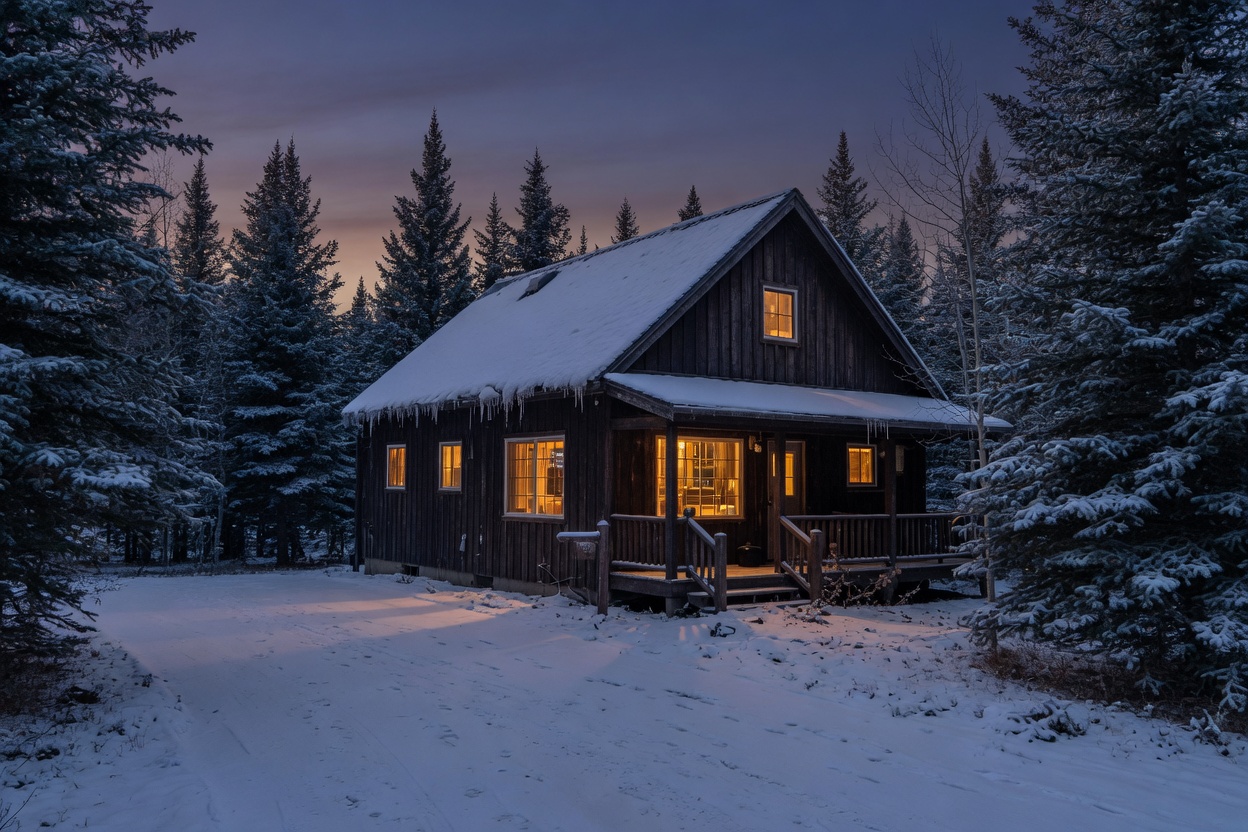
Ski towns sell themselves. Powder, pine trees, a wood stove after a day on the mountain - the setting does half the marketing before a host writes a word. That is exactly why so many independent-host listings in ski markets lean on seasonal slogans instead of specifics: "Your Alpine Escape," "Powder Days Await," "The Ultimate Ski Retreat." None of it is false, and none of it is useful. A slogan does not tell a guest how far the parking spot is from the door, whether skis fit in the mudroom, or what happens if they are still unpacking gear at 11 p.m. and the house rules say quiet hours start at 10.
The fix is not a catchier slogan or a more dramatic hero photo. It is tying every marketing claim to something the listing can actually deliver - the title, the photos, the description, and the house rules a guest reads before they ever ask a question. That alignment is what keeps a listing out of trouble during a bad week, and it is what keeps reviews boring in the best possible way: nothing at all to complain about, because nothing was ever oversold. This is not legal advice.
The Season-Slogan Trap
A slogan works in a print ad because nobody checks it against reality in real time. A listing does not have that luxury. Every claim on an Airbnb or Vrbo page gets tested the moment a guest walks in the door, and a ski-town slogan that promises more atmosphere than the unit provides shows up in reviews within days - not usually as an outright complaint, but as the quieter kind of feedback that costs future bookings: "smaller than photos suggested," "nice, but not really ski-in."
The trap is easy to fall into because ski markets are genuinely full of good material - a real gas fireplace, a real five-minute walk to the gondola, a real hot tub with a mountain view. Hosts who have that material do not need a slogan. They need to state it plainly, in the first line of the description and the first photo in the gallery, because that is where a guest's expectations actually get set.
The test for any line of marketing copy is simple: can a guest point to the exact thing you are describing within an hour of check-in? If the answer is no, the line belongs on a mood board, not on the listing.
It's worth naming why this test is specific to a check-in window rather than, say, a full stay. Within the first hour, a guest has already parked, walked in with their gear, found their room, and started forming an opinion of whether the listing matched what they booked. Any claim that can't survive that first hour - a walk-to-lift promise that turns into a ten-minute trudge, a "mountain view" that's actually a view of a parking structure - has already done its damage to the review before the guest has even unpacked.
It's also worth understanding why the quieter kind of negative feedback is more dangerous to a listing than an outright complaint. A guest who messages a host directly about a problem gives that host a chance to fix it, apologize, or offer a partial refund before it ever becomes public. A guest who simply notes "smaller than photos suggested" in an otherwise glowing review never gives the host that same chance - the mismatch just sits there, visible to every future guest comparing listings, quietly suppressing the booking rate without ever generating a support ticket a host could respond to.
Write the Title and Description Around What Is Actually There
The listing title is prime real estate, and most ski-town hosts spend it on adjectives. "Cozy," "charming," and "ultimate" all cost space that could describe something specific: walking distance to Main Street, a private hot tub, heated ski storage, one flight of stairs from the parking pad to the door. Specific details sell harder than mood words because they answer the questions a skier is actually asking before they book - where does my gear go, how far do I walk in ski boots, is there parking for two cars during a storm.
The same discipline applies to the description. Lead with the two or three things that are true and differentiated - not "steps from the slopes" unless it genuinely is a short walk, and not "ski-in/ski-out" unless a guest can click into their bindings from the back door. Overstating proximity to lifts is one of the most common, and most disputed, claims in mountain rental marketing, and it is an easy one to get right just by naming the real distance and terrain instead of reaching for a phrase because it sounds good.
If the property has a real limitation - a steep driveway that needs four-wheel drive in a storm, a shared entrance, quiet hours because of close neighbors - say so before the guest books, not after. A caveat in the listing reads as honesty. The same caveat discovered at check-in reads as a bait-and-switch, even when it was never intended that way.
This is also where a host's own instinct to sound impressive works against the listing. A description that says "five-minute walk to the gondola, uphill, in ski boots" reads less glamorous than "steps to the slopes," but it's the version that produces a guest who arrives with the right expectations and writes a five-star review about how accurately the listing was described. Impressive and accurate aren't always the same sentence, and when they conflict, accurate is the one that protects future bookings.
The title, in particular, deserves more scrutiny than most hosts give it, because it's the one piece of marketing copy that shows up in search results before a guest has clicked anything at all. A title packed with mood adjectives competes on vibe against every other listing using the same adjectives - practically every ski-town title on the platform claims to be cozy or charming. A title that names one specific, differentiated, true feature competes on substance instead, and substance is what a guest remembers when they're scrolling through a dozen similar-looking search results at midnight trying to book before the good dates disappear from the calendar.
Turn House Rules Into Marketing, Not an Afterthought
House rules are usually written like a liability waiver and read like one too. In a ski town, they are actually some of the most useful marketing copy on the page, because they answer the logistics questions that determine whether a stay goes smoothly: where does gear go when it is wet, where do cars park when the driveway ices over, what time does the house go quiet.
Spell out gear handling specifically - boot dryers, ski racks, whether wet gear can come inside or has to stay in a mudroom or garage - because gear storage is one of the top friction points in any ski rental, and a host who addresses it up front looks like someone who has actually stayed in a ski town, not just marketed one. Do the same for parking: snow-removal timing, permit requirements, and where a second car goes during a storm are all things a guest needs before they arrive, not after they are circling the block in the dark.
Quiet hours deserve the same specificity, especially in dense resort neighborhoods where units share walls or sit close together. A vague "be respectful of neighbors" line does nothing useful for a guest trying to plan their evening. A stated time, paired with a plain description of what is nearby - a shared driveway, an adjoining unit - sets an expectation a guest can actually plan around, and it is the detail that heads off the 11 p.m. text asking why the neighbor is upset.
Treating the house rules section as marketing, rather than as boilerplate to click past, also changes how a host writes it. A rule written defensively ("NO parking in the neighbor's spot EVER") reads as a host anticipating conflict. The same information, framed as a helpful fact ("the driveway holds two cars; a third car can park at the public lot two blocks down, free after 6 p.m."), reads as a host who has genuinely thought through the guest's arrival. Both convey the same underlying rule, but only one of them builds trust with a guest who hasn't even arrived yet.
Shoulder-Season Messaging Without guessing Numbers
Ski towns are not ski towns year-round, and the marketing mistake in shoulder season usually runs the opposite direction from winter: hosts either keep running snow photography past the point it is honest, or they go quiet entirely and let the listing go stale. Neither serves the guest booking a June or October stay.
The better move is to market what the property offers in that season on its own terms - hiking access, a porch view that does not need snow to be worth booking, proximity to a farmers market or trailhead that only matters half the year. That is real, verifiable content, and it keeps the listing relevant to searchers who have zero interest in skiing.
What does not belong in shoulder-season copy is a specific occupancy, booking-lift, or rate claim guessed to fill space. If a host does not have verified data on how a listing performs in April, the honest move is to leave that claim out rather than manufacture a number that sounds plausible. A listing's actual reviews and repeat-booking pattern make the case better than an guessed statistic ever could, and neither one requires a single made-up number to be persuasive.
It's worth treating the photo gallery itself as a seasonal rotation rather than a fixed set. A gallery that's entirely snow photography, updated once and left alone for years, tells a June searcher nothing about what their actual stay will look like. Swapping in a handful of shoulder-season and summer photos - the same porch, the same view, in a different month - costs almost nothing and does more to convert an off-season booking than any slogan could, because it shows the searcher exactly what they're going to get, in the season they're actually planning to arrive.
A Quick Audit for Every Ski-Town Listing
Before publishing new marketing copy - a title change, an updated description, a new hero photo - run it against the listing itself. Read the title, then read the house rules, then read the first three photos in order. Does anything in the marketing promise something the house rules or the photos do not back up?
A short checklist keeps this honest: does the title describe something specific and true; does the first photo match what the title claims; do the house rules name quiet hours, parking, and gear storage in plain language; and does anything in the copy state a number - occupancy, ranking, booking lift - that the host cannot actually verify. If every answer holds up, the marketing is doing its job. If one does not, that is the line to fix before the next guest checks in.
This audit is worth repeating on a schedule, not just once. A listing that passed this checklist when it was first written can drift out of alignment over time - a hot tub gets removed for repairs and never comes back, a neighbor's construction changes the actual quiet-hours reality, a shuttle service the listing mentioned stops running. Revisiting the same five-minute checklist every season, rather than treating it as a one-time launch task, is what keeps marketing copy accurate as the property and the surrounding town change.
A practical way to build this into a regular routine is to tie the audit to something that already happens on a schedule - the start of ski season, the end of ski season, and once in the middle of summer. Three checks a year is enough to catch most drift without turning it into a chore, and doing it at the same time as a seasonal deep-clean or a routine maintenance visit means the host is already walking through the property and can compare what they physically see against what the listing still claims, in that same visit.
Related Reading
More independent-host ski-market stay reading already live on Crest and Cove.
Frequently Asked Questions
What is the most common overpromise in ski-town STR listings?
The most common overpromise in ski-town STR listings is ski-in/ski-out or walk-to-lift access the property cannot actually deliver. Guests punish that in reviews when they end up hauling gear farther than the listing implied. Write the real walk time, shuttle option, or parking-lot distance instead. Accurate proximity claims keep trust with guests who are already comparing several listings before they book.
Should a ski-town listing description mention snow conditions or resort statistics?
Only if the host can vouch for them directly and keep them updated, which is hard to do reliably from a listing page. It is safer and more durable to describe fixed features - distance to the mountain, gear storage, parking - that do not change with the weather, and let guests check current snow conditions on the resort's own site instead.
How specific should house rules be about parking and gear storage?
Specific enough that a guest can plan before they arrive. Name the number of spots, whether there is a permit system, how snow removal works during a storm, and where wet gear goes - a heated mudroom, a garage, or inside the main living space. Vague language here is one of the most common sources of guest frustration in mountain rentals.
What should a listing say about quiet hours in a resort neighborhood?
Name the exact times guests will be expected to keep quiet after dark, including holiday weeks, and describe what's actually nearby - a shared driveway, an adjoining unit - so the rule makes sense in context. Resort energy is not a free pass to skip this detail; clear, specific quiet hours cut down on neighbor complaints and the refund disputes that follow them.
Is it okay to keep winter photos on a listing during shoulder season?
Generally no, unless the listing is genuinely being booked and marketed for winter dates specifically. Keeping only snow photography up during a spring or fall search sets the wrong expectation and can make a property look neglected to searchers browsing for that season's stay. Rotate in a handful of current-season photos alongside the winter set.
How does a host market a ski-town property during the off-season without guessing data?
By describing what is actually true in that season - hiking or biking access, a view, proximity to town - rather than manufacturing an occupancy or booking-lift number the host has not verified. Real, checkable details do more to convert an off-season booking than a made-up statistic, and a listing's actual review history backs up the pitch far better than an guessed figure could.
Does better marketing copy improve a listing's search ranking or Superhost status?
No. Ranking and Superhost status are governed by the platform's own criteria - response rate, cancellations, review scores, and completed stays - not by the wording of a listing description. Marketing copy affects whether a guest who already sees the listing decides to book it, not whether the platform surfaces it more often in search results.
What is the fastest way to check whether a listing's marketing matches reality?
Read the title, the first five photos, and the house rules aloud, back to back, and ask whether each one matches exactly what the property delivers on an ordinary Saturday. Mark any ski-access, parking, or quiet-hours claim you'd feel embarrassed apologizing for at check-in, and rewrite those specific lines that same week before the next guest arrives.
Work with Crest & Cove Creative
Ski-Town Rental Marketing Your Listing Can Actually Back Up only works when the listing shows operable facts guests can check. Cut soft slogans that hide the real stay.
We help independent ski-town hosts align their titles, photos, and house rules with what the property genuinely delivers, season by season. Reach out at crestcove.co or (256) 998-7502. Send the live listing draft and the facts you can actually cite.
Reach out at crestcove.co or (256) 998-7502.


Comments