
Portland vs. South Portland: Two Different Vacation Rental Markets on

Updated: Aug 27
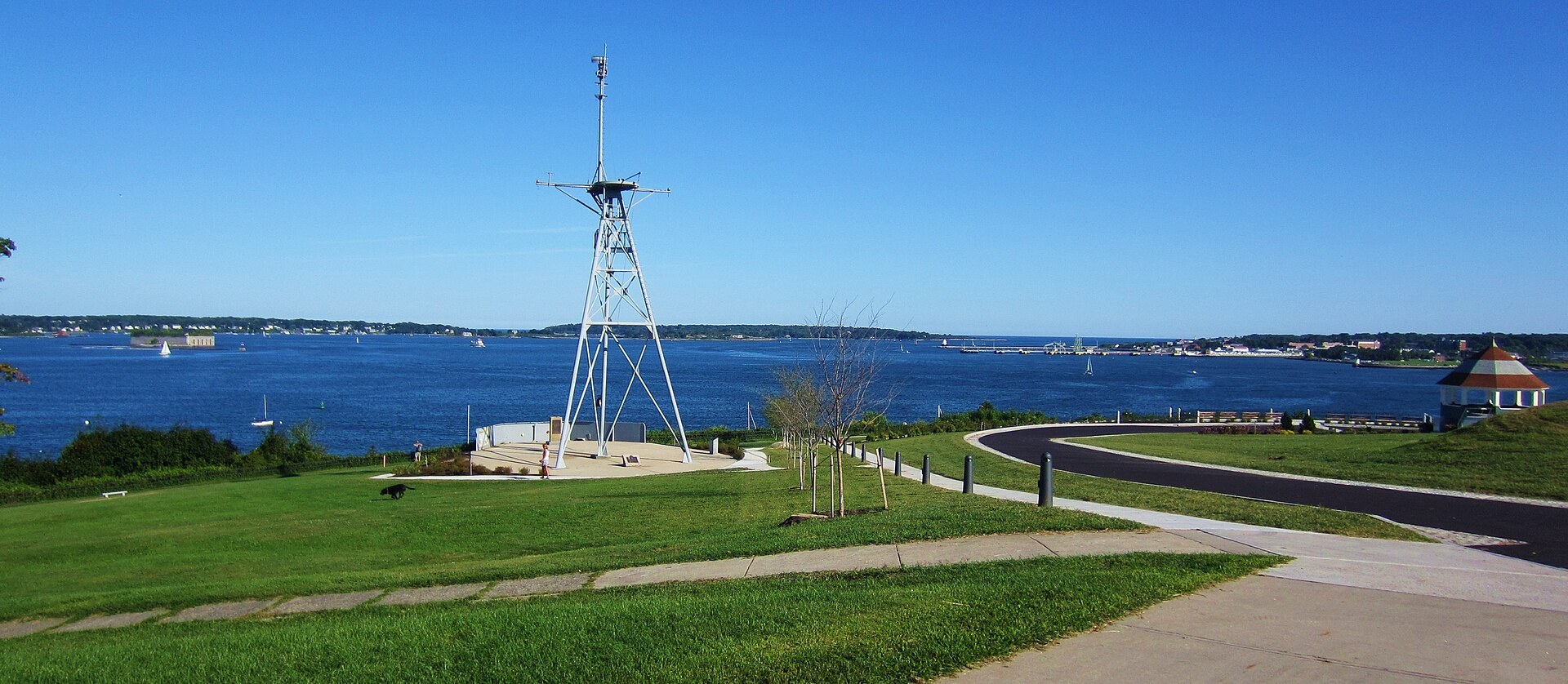
Portland and South Portland sit close enough that a guest can walk the bridge between them in under twenty minutes, and close enough that hosts and marketers are tempted to talk about them as one Casco Bay market. The underlying numbers don't support that shortcut. Portland's typical listing carries a watch-year figure near $44,929; South Portland's sits closer to $27,535. The average daily rate, occupancy, and revenue-per-available-night on each side of the bridge are different enough that pricing a South Portland property off Portland's curve , or the reverse , is a fast way to leave money on the table or scare off a guest with a mismatched rate.
This isn't a case for picking a winner between the two towns. It's a case for keeping two separate files, two separate seasonal calendars, and two separate pitches , because the guest booking a walkable Old Port loft and the guest booking a quieter South Portland stay across the bridge are not, in practice, cross-shopping the same search. This is not legal advice.
Two Extracts, Never One Casco Bay Average
Portland's watch-year figure of $44,929 and South Portland's figure of $27,535 come from two separate clerks' files, tracking two separate towns, and blending them into a single "Casco Bay average" produces a number that describes neither market accurately. A host averaging the two would land somewhere in the mid-$30,000s , a figure that overstates what a typical South Portland listing earns and understates what a typical Portland listing earns, useful to no one making an actual pricing decision.
The instinct to combine them is understandable. Both towns sit on the same bay, share a bridge, and appear together in regional tourism marketing. But a host pricing a specific listing needs the specific town's curve, not a blended narrative built for a brochure.
Portland: The $44,929 City File
Portland's typical listing posts an average daily rate near $370, occupancy around 46.2 percent, and revenue per available night near $173, with a median month figure close to $3,887. That combination , a strong nightly rate carried by occupancy in the high 40s , describes a peninsula market where a walkable, Old Port-adjacent property can command a premium rate even without filling every night of the calendar.
Portland's peak stretch runs through August, September, and October, which lines up with the city's festival season, foliage tourism, and the tail end of summer coastal travel before Maine's shoulder season sets in. February and March sit at the other end as the slower months, when a Portland host should expect occupancy to soften well below that 46.2 percent average rather than hold steady.
South Portland: A Smaller Figure, a Different Clerk
South Portland's typical listing runs a lower average daily rate near $265, occupancy near 42.9 percent, and revenue per available night around $120, with a median figure closer to $2,737 , meaningfully below Portland's numbers across every line. That gap isn't a sign South Portland is a weaker place to host; it's a sign it's a different kind of stay, generally quieter and more residential than the peninsula's walkable core, and priced accordingly by the market.
A South Portland host who prices against Portland's $370 ADR, assuming the two towns are interchangeable because they share a bridge, is likely to sit unbooked while a guest who actually wanted the Old Port experience keeps scrolling past to a Portland listing that matches what they're picturing.
Portland Head Light Is a Third Town, Not a Portland Bed
One of the most common marketing mistakes on either side of the bridge is borrowing Portland Head Light as a hero image or headline attraction for a Portland or South Portland listing. The lighthouse sits in Cape Elizabeth , a third, separate town , and using it to sell a Portland or South Portland stay sets up a guest expecting a walk to the lighthouse that the actual property can't deliver.
This matters more than it sounds like it should. A guest who books a Portland peninsula loft expecting easy access to the lighthouse, only to learn it's a drive to a different town, isn't going to blame the geography , they're going to blame the listing that implied otherwise. Keep Cape Elizabeth's landmark on Cape Elizabeth's listings.
Peaks Island Belongs on Its Own Town, Too
A property on Peaks Island, reachable by ferry from Portland's waterfront, belongs on its own island town rather than folded into the mainland Portland file , and it carries its own regulatory detail worth naming: a 40-unit cap on the island. A host or manager marketing a Peaks Island property should treat it as its own listing category, with its own ferry-schedule logistics and its own guest expectations, rather than describing it as simply "Portland" and letting the guest discover the ferry requirement after booking.
The same logic that separates Portland from South Portland applies again here, one level down: an island stay with a ferry ride attached is not the same product as a walkable peninsula loft, even though both technically fall under the broader Portland-area umbrella.
What the Owner-Occupied and Registration Detail Actually Tells a Host
Portland's file structure distinguishes between different registration types , an owner-occupied Portland property sits on a different track than an investor-owned unit filed elsewhere in the city's records. A host unsure which category their listing falls into should confirm directly with the city rather than assume; the distinction affects which rules and which reporting apply, and it's not the kind of detail worth guessing on. A South Portland property, by the same logic, belongs on South Portland's own registration and revenue file , not folded into Portland's numbers because the address is close by.
The practical takeaway for a host managing a property in either town is the same: know which town's file your specific listing belongs to, and don't let a shared bridge or a shared bay convince you the paperwork, the pricing, or the guest expectations transfer across it.
What the Statewide Visitor-Spend Number Measures , and What It Doesn't
Maine's statewide visitor spending reached roughly $9.2 billion in 2024, a figure that gets cited often in regional tourism coverage and just as often gets misapplied to an individual host's business. That $9.2 billion measures visitor spending across the entire state , lodging, dining, retail, attractions, everything , not a single listing's revenue, and it should never be divided by a listing count or treated as a stand-in for either town's host-level numbers.
Press coverage sometimes compresses Portland, South Portland, and the surrounding islands into one "harbor" narrative built around statewide or regional visitor-spend figures. That framing works for a tourism board's annual report. It doesn't work for a host deciding what rate to set on a Tuesday in March, which is exactly the decision the town-specific ADR and occupancy figures above are built to inform.
How to Choose a Pitch Without Blending the Two Years
The practical rule for a host or manager working across both towns is to run two of everything: two pricing calendars keyed to each town's own peak and slow months, two photo sets that reflect each town's actual character , Portland's walkable, Old Port-adjacent energy versus South Portland's quieter, more residential feel , and two guest pitches that describe what each specific stay actually offers rather than a shared "Casco Bay getaway" pitch aimed at neither guest specifically.
A guest who wants sand and a beach walk first is not the same guest as the one who wants an Old Port bar crawl within stumbling distance, and neither of those guests is well served by a listing description that hedges between the two to avoid picking a lane. Name the actual town, name the actual walk from the door, and let the ADR and occupancy figures for that specific town , not a blended average , set the rate.
Related Reading
More Portland, Maine reading already live on Crest & Cove.
Frequently Asked Questions
Are Portland and South Portland really different enough to need separate pricing strategies?
Yes. Portland's typical listing runs an ADR near $370 with occupancy around 46.2 percent, while South Portland's typical listing runs closer to $265 ADR with occupancy near 42.9 percent. Pricing a South Portland property against Portland's curve, or the reverse, produces a rate that doesn't match either market's actual demand.
What does Portland's $44,929year figure actually represent?
It's the typical annual revenue figure tracked for Portland listings in the relevant watch-year file, distinct from South Portland's own $27,535 figure. The two numbers come from separate town-level tracking and shouldn't be averaged into a single Casco Bay figure for pricing decisions. Keeping the two figures on separate lines, rather than averaging them into one Casco Bay number, is what protects the accuracy of any pricing decision built on either town's data.
Why shouldn't a host use Portland Head Light to market a Portland or South Portland listing?
Portland Head Light sits in Cape Elizabeth, a separate town from both Portland and South Portland. Using it as a hero image implies walkable access to a landmark the property can't actually deliver, which sets up a guest mismatch that shows up in reviews rather than in the booking decision.
Does a Peaks Island property count as a Portland listing?
It's reachable from Portland by ferry, but it belongs on its own pin with its own considerations — including a 40-unit cap on the island — rather than being marketed simply as a Portland property. A guest needs to know the ferry logistics before booking, not after.
What's Portland's peak season, and when is it slowest?
Portland's strongest months run August through October, tied to festival season, foliage tourism, and the tail of summer coastal travel. February and March are the clear slow months, when occupancy typically runs well below the roughly 46.2 percent yearly average. A listing priced flat across the calendar misses the gap between that August-through-October strength and the February-March trough, leaving revenue on the table in the strong months and overpricing the weak ones.
Can the statewide $9.2 billion visitor-spend figure tell a host what their listing should earn?
No. That figure covers all visitor spending across Maine in 2024 — lodging, dining, retail, attractions statewide — and has no direct relationship to a single listing's revenue. It shouldn't be divided by a listing count or substituted for the town-specific ADR and occupancy numbers a host actually needs for pricing.
How does a host know whether their Portland property is filed as owner-occupied or otherwise?
Portland's registration system distinguishes between different property types, including an owner-occupied track. A host who isn't certain which category their property falls under should confirm directly with the city rather than assume, since the distinction affects which rules and reporting apply. Getting that category wrong in marketing copy or self-reporting can create a mismatch between what a listing claims and what the city's actual registration file shows for that address.
Should marketing for the two towns ever be combined into one campaign?
It's better run as two campaigns with two photo sets, two seasonal calendars, and two pitches — Portland's walkable, Old Port-adjacent energy versus South Portland's quieter, more residential character — rather than one blended "Casco Bay" message that doesn't specifically describe either stay. A blended campaign risks describing neither town's actual guest experience accurately, since a Portland-focused message oversells South Bay's walkability and a South Portland-focused one undersells Portland's downtown energy.
What should a host do if their listing sits right on the line between the two towns?
Confirm the property's actual municipal address and registration file with the relevant city or town office rather than guessing based on proximity. The ADR, occupancy, and regulatory detail attached to the wrong town's file won't match what a host is actually required to report or can realistically expect to earn.
Work with Crest & Cove Creative
Same bay, same bridge, two completely different host years , and a listing priced off the wrong one either sits empty or leaves money unclaimed. Name the failure mode the guest can check on the listing.
Not sure which side of the bridge your numbers actually belong to? Bring us the address and we'll confirm which town's file, season, and pitch your listing should be running on. Reach out at crestcove.co or call (256) 998-7502. Keep the portland line labeled.
Reach out at crestcove.co or (256) 998-7502.


Comments