
Buying a Portland, Maine Short-Term Rental: Confirm the License Before

Updated: Aug 27
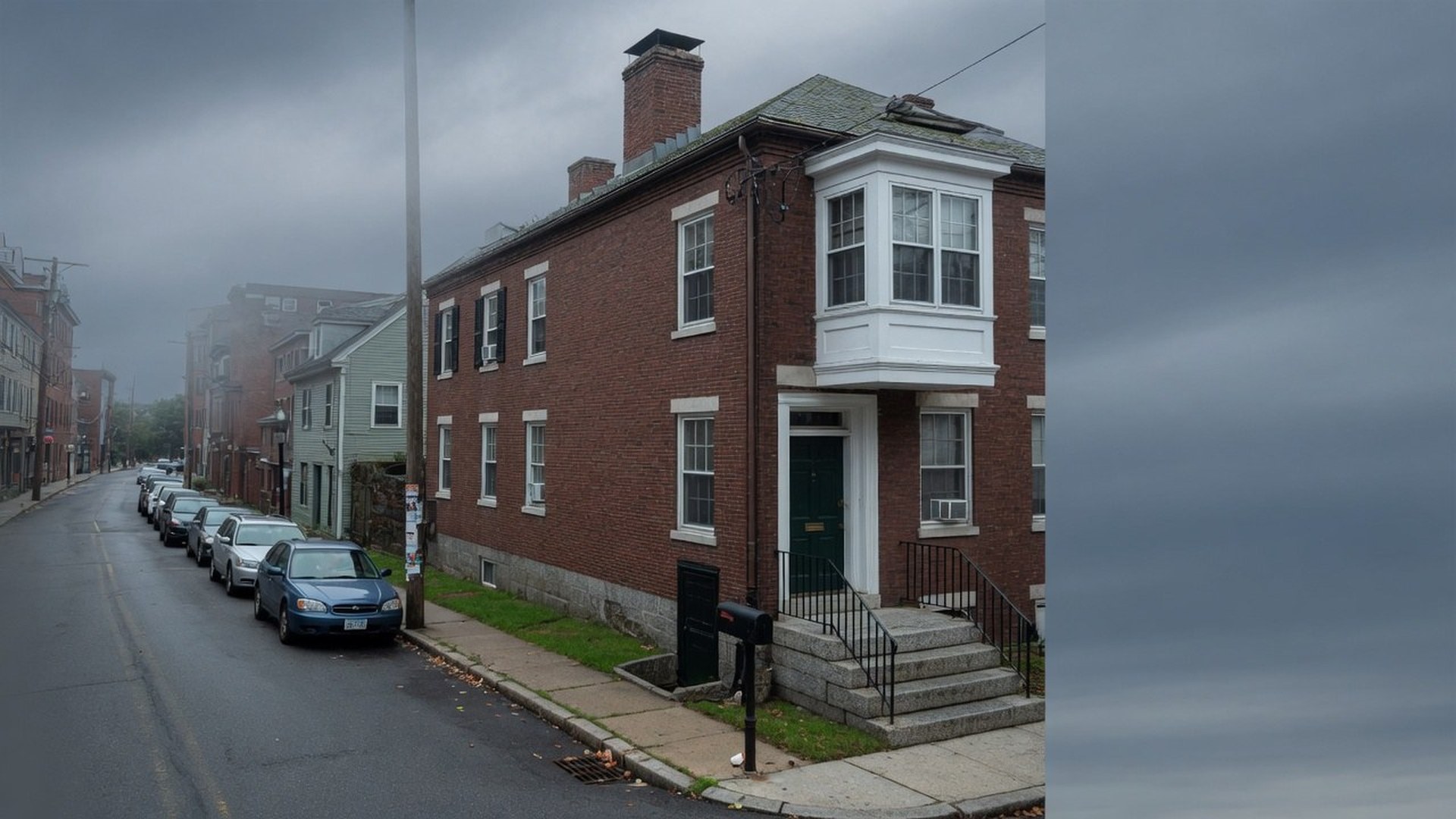
Portland, Maine runs one of the more consequential short-term rental license systems on the East Coast for a buyer to understand before writing an offer, because the city caps the number of Non-Owner Occupied registrations it allows, and that cap does not automatically travel with a house when it sells. A listing that has been operating successfully under a current owner's license is not the same asset as a house that a new owner can legally list the day after closing, and confusing the two is the single most expensive mistake available in this market.
The research pack behind this page calls this the 293-file, referencing the city's registration and cap system for Non-Owner Occupied short-term rentals. The first acquisition fact on any mainland house that isn't Owner Occupied is whether a live 293-file actually exists and is transferable, confirmed directly with the city's Permitting office, not assumed from a real estate listing, a property manager's logo on the door, or an AirROI performance extract that describes the market but says nothing about this specific parcel's legal status. A mainland house or condo that isn't Owner Occupied and doesn't carry a live 293-file is not a short-term rental yet — it's a house that might become one, pending an answer Permitting hasn't given yet.
Once the license question is actually settled, the research pack gives a specific market figure worth underwriting against: an AirROI market dated 2026-08-08 showing 870 listings, a $44,929 typical year, and a $3,887 month, with occupancy at 46.2 percent. That figure describes Portland specifically — the pack is explicit that South Portland's separate $27,535 figure should never be blended into a Portland underwrite, and that a leftover range of $46,968 to $49,127 pulled from a different vintage would import the wrong calendar into a current purchase.
This page works through what a buyer's purchase file needs in the right order: the 293-file confirmation that comes before any revenue number matters at all, why a sale itself is not proof of a transferable license, why South Portland's numbers stay on their own line, how to read the 46.2 percent occupancy figure honestly, and what a complete purchase file looks like once all of it is assembled. This is not legal advice.
The 293-File Comes Before the Spreadsheet
It's worth stating this plainly because it's the fact most likely to get skipped in the rush to model returns: on a mainland Portland property that isn't Owner Occupied, the 293-file is the acquisition question, not a footnote to it. If Permitting cannot name a clear, current path for the specific parcel to hold a valid Non-Owner Occupied registration, then the $44,929 market figure — or any number built from it — does not belong to the buyer yet. It belongs to the market in general, not to this specific purchase.
The research pack notes something buyers researching this market in 2026 need to know explicitly: new Tenant Occupied files closed in 2026. Whatever license categories were available to a prior buyer or a prior owner are not guaranteed to be available to a new buyer today, which means the correct question is not "does this house have a history of operating as a short-term rental" but "what license path, if any, is currently open to a new owner of this specific parcel, according to Permitting, right now."
This is not a question a real estate agent, a property manager, or a listing platform can answer authoritatively, however confident any of them sound. It requires a direct conversation with the city's Permitting office — the research pack names Room 307 as the relevant desk — before an offer is written, not after closing when the answer can no longer change the deal a buyer just signed.
A Sale Is Not a Chapter 6 Listing
The research pack states this distinction sharply: a sale is not a Chapter 6 listing. Chapter 6 is the city's short-term rental ordinance, and the license or registration it governs is not an asset that transfers automatically with a real estate closing the way a deed or a survey does. A buyer who assumes that purchasing a house that is currently operating as a short-term rental automatically inherits that operating status is making an assumption the city's own ordinance does not support.
A manager's logo on the listing, or a property manager's confident assurance that "we'll just switch the account over," is not proof of Owner Occupied status and is not proof of a transferable license either. Those are operational conveniences a manager offers to a client, not a legal confirmation from the city that the specific parcel's registration survives a change in ownership. The only source that can confirm the license path is Permitting itself, and the research pack's guidance is direct: confirm the license with Room 307 before you write an offer.
The practical consequence for a purchase file: treat the current owner's operating history as evidence that a Non-Owner Occupied license was once granted for this parcel, and nothing more. Whether that license, or a new one, is available to a new owner is a separate question that Permitting answers on its own timeline and its own terms, and a buyer's offer contingencies should reflect that separation rather than assuming continuity.
Keep Portland's $44,929 Off South Portland's Line
The research pack is explicit that Portland and South Portland produce separate, non-interchangeable market figures on the same 2026-08-08 AirROI vintage: Portland at $44,929 typical revenue, South Portland at $27,535. The two cities sit across the Fore River from each other and are sometimes discussed loosely as one Casco Bay market by brokers moving quickly through a pitch, but the published numbers show a meaningfully different performance profile between them, and blending the two produces a distorted figure that describes neither city accurately.
This matters practically because Portland and South Portland also run separate licensing frameworks, which means a parcel's city of record affects both the revenue side of the underwriting and the legal-status side at the same time. A buyer evaluating a Casco Bay-area property needs to know, with certainty, which city's ordinance and which city's market figure actually apply to the specific parcel in question — not a blended average of the two that misrepresents both.
The same caution extends to time, not just geography. The research pack flags a leftover range of $46,968 to $49,127 from a different vintage as a figure a buyer should not import into a current-year underwrite, since pricing a purchase off a different year's numbers — even a modestly different one — buys the wrong calendar, in the pack's own phrasing. The current $44,929 figure, dated to the 2026-08-08 extract, is the number that belongs in a 2026 purchase file.
Read 46.2 Percent Occupancy as a Market Average, Not This Parcel's Guarantee
The research pack cites 46.2 percent occupancy for this market sample, alongside a caution worth taking seriously: a busy walk or a festival weekend is demand, but it is not the occupancy figure itself, and it will not fill a slow month on its own. A buyer who has walked a lively summer street in the Old Port and concluded that the neighborhood is clearly always full is generalizing from a snapshot to a year-round average in a way the published occupancy figure doesn't support.
The pack also names a caution against pricing what it calls a franchise vacuum the extract doesn't print — describing the local professional-management landscape as a thin full-service layer rather than a dominant, saturated market controlled by a small number of large operators. A buyer shouldn't assume either extreme: not that professional management is everywhere and will automatically deliver market-average performance, and not that the absence of a dominant operator means the field is wide open with no real competition.
The research pack's mention of "Katrina's 24 doors" is worth naming as exactly what it is: a reference to one local manager's actual portfolio size, useful as a data point about the scale of professional management currently active in this market, not evidence of a monopoly or a franchise controlling the whole field. A buyer's underwriting should treat the 46.2 percent occupancy figure as an honest market average to compare a specific property's plan against, not a floor guaranteed by proximity to a busy street.
What a Portland Purchase File Must Include
Pulling the pieces together, a defensible Portland short-term rental purchase file should lead with written confirmation from Permitting (Room 307) that a Non-Owner Occupied 293-file is currently available and transferable to a new owner of the specific parcel in question — obtained before an offer is written, not treated as a closing formality. Given that new Tenant Occupied files closed in 2026, this confirmation cannot be assumed from the property's operating history alone.
The file should then cite the current $44,929 typical revenue, $3,887 month, and 46.2 percent occupancy figures from the 2026-08-08 AirROI extract as the Portland-specific market sample, explicitly noting that South Portland's separate $27,535 figure was not blended in, and that no leftover figure from the $46,968 to $49,127 range was imported from a prior vintage.
It should state plainly whether the plan assumes self-management or professional management, and if professional management, name the manager and their actual portfolio scale rather than treating "professionally managed" as a guarantee of market-average performance on its own. And it should treat the manager's logo, the AirROI badge, or any broker's confident assurance about licensing as marketing material — informative, but not a substitute for Permitting's own written answer about this specific parcel's license path.
None of this requires guessing at a number the research pack doesn't provide. Where the file needs a fact the pack doesn't carry — a confirmed license transfer date, a specific manager's fee structure, a renovation budget — the honest move is the same one that applies to the license question itself: get it confirmed directly with the relevant authority, and don't let an assumption stand in for an answer Permitting hasn't given yet.
A Worked Scenario: Closing Before the License Question Is Settled
Consider the sequence a buyer risks by treating the license as a closing-week formality instead of a pre-offer requirement. An offer goes in based on the seller's operating history and a manager's assurance that the transition will be seamless. Financing closes on schedule, since a lender's underwriting typically focuses on the property and the buyer's creditworthiness, not on confirming a city registration that the buyer assumed was routine. Only after closing does the new owner discover that Permitting has no record of an open Non-Owner Occupied path for the parcel, because the license category the prior owner held is one of the categories that closed to new filings in 2026.
At that point, the buyer owns a mainland property that is not Owner Occupied and does not carry a valid 293-file — which the research pack states directly is not a nightly rental, whatever the AirROI extract says about the surrounding market. The $44,929 figure that anchored the original pitch was never actually available to this specific purchase, and the buyer is now working backward from a closed transaction rather than forward from an open question, with materially less leverage to walk away or renegotiate than they had before signing.
This scenario is avoidable entirely by reversing the order: get Permitting's written answer on the specific parcel's license path before the offer goes in, and make the offer contingent on that confirmation if it isn't already in hand. A seller or agent unwilling to support that sequence, or unable to produce documentation of the property's current license status, is itself useful information about how solid the underlying asset actually is.
Owner Occupied Is a Separate Path Worth Confirming on Its Own Terms
Not every Portland short-term rental purchase runs through the Non-Owner Occupied cap system — a buyer planning to live in the property and rent a portion of it, or rent it seasonally while occupying it as a primary residence, may fall under the city's Owner Occupied category instead, which the research pack notes carries its own separate rules from the capped Non-Owner Occupied registrations. A buyer evaluating this path should not assume Owner Occupied status is either easier to obtain or interchangeable with Non-Owner Occupied licensing; it's a genuinely different category with its own requirements.
The same principle that governs the rest of this page applies here without modification: Permitting is the authority on which category a specific buyer's specific intended use actually qualifies for, and a manager's or agent's characterization of a property as "Owner Occupied eligible" is not the same as a confirmed answer from the city. A buyer weighing the Owner Occupied path should bring their actual intended living and rental arrangement to Permitting directly and ask which category it falls under, rather than assuming the more flexible-sounding label applies simply because it would be convenient if it did.
Related Reading
More Portland, Maine reading already live on Crest & Cove.
Frequently Asked Questions
What is the 293-file, and why does it matter more than the revenue numbers?
It's the research pack's term for the city's Non-Owner Occupied short-term rental registration and cap system, and it determines whether a specific parcel may legally operate as a nightly rental at all. Revenue figures describe market performance for houses that already have a valid license; they say nothing about whether a specific unlicensed or newly purchased house can obtain one.
Does a Non-Owner Occupied license transfer automatically when a Portland property sells?
No. The research pack is explicit that a sale is not a Chapter 6 listing, meaning the license itself does not travel with the deed the way a survey or a title does. A buyer needs separate, written confirmation from Permitting that a license path is currently open to a new owner of the specific parcel.
Why did new Tenant Occupied files closing in 2026 matter to a buyer researching this market now?
It means license categories available to buyers in prior years are not automatically available today, which makes it unsafe to assume a property's past operating history predicts what a new owner can legally do with it. Confirming the currently open path with Permitting is the only way to know for certain.
What's the correct Portland market figure to underwrite against?
The pack cites an AirROI extract dated 2026-08-08 showing 870 listings, a $44,929 typical year, a $3,887 month, and 46.2 percent occupancy. That figure describes Portland specifically and should not be blended with South Portland's separate $27,535 figure or with an older $46,968 to $49,127 range from a prior vintage.
Why shouldn't a buyer blend Portland and South Portland's numbers together?
The two cities publish meaningfully different figures on the same vintage and run separate short-term rental licensing frameworks, so a blended average misrepresents both the revenue picture and the legal-status question for a specific parcel. Which city a parcel sits in affects both halves of the underwriting at once.
Does a busy summer street in Portland mean occupancy is higher than the published 46.2 percent?
Not necessarily. The research pack specifically cautions that a busy walk or a festival weekend reflects visible demand in that moment, not the full-year occupancy figure, and it won't by itself fill a slow month elsewhere on the calendar.
Is professional management dominant in the Portland short-term rental market?
The research pack describes it as a thin full-service layer rather than a dominant, market-controlling presence, referencing one manager's 24-door portfolio as a concrete data point on scale. A buyer shouldn't assume professional management guarantees market-average performance, nor assume its limited scale means the market has no real competition.
Who should a buyer contact to confirm a Portland STR license, and when?
The research pack names Room 307 at the city's Permitting office as the relevant desk, and the confirmation should happen before an offer is written, not after closing. A manager's assurance or a listing's operating history is not a substitute for Permitting's own written answer about the specific parcel.
What should a buyer do if Permitting can't confirm a clear license path for a specific parcel?
Treat the $44,929 market figure as describing the broader market, not this specific purchase, until the license question is resolved. The research pack's own framing is direct: if Permitting cannot name the path, the year is not the buyer's yet.
What belongs in a complete Portland STR purchase file?
Written Permitting confirmation of a transferable 293-file for the specific parcel, the correctly cited current-vintage Portland market figures kept separate from South Portland's numbers and any prior-year leftover range, a clear statement of the self-management or professional-management plan, and confirmed local figures for any cost or fee the research pack doesn't itself provide.
Work with Crest & Cove Creative
Buying a Portland, Maine Short-Term Rental: Confirm the License Before the Number only works when the listing shows operable facts guests can check. Cut soft slogans that hide the real stay.
We help buyers build Portland short-term rental purchase files that start with a confirmed license path, not a broker's assumption about one. Bring your target address and any packet you've been handed to crestcove.co or call (256) 998-7502, and we'll walk through what still needs Permitting's answer before you write an offer.
Reach out at crestcove.co or (256) 998-7502.


Comments