
Barn and Farm Stays: Rural Authenticity Without Fake Homestead Claims

Updated: Aug 27
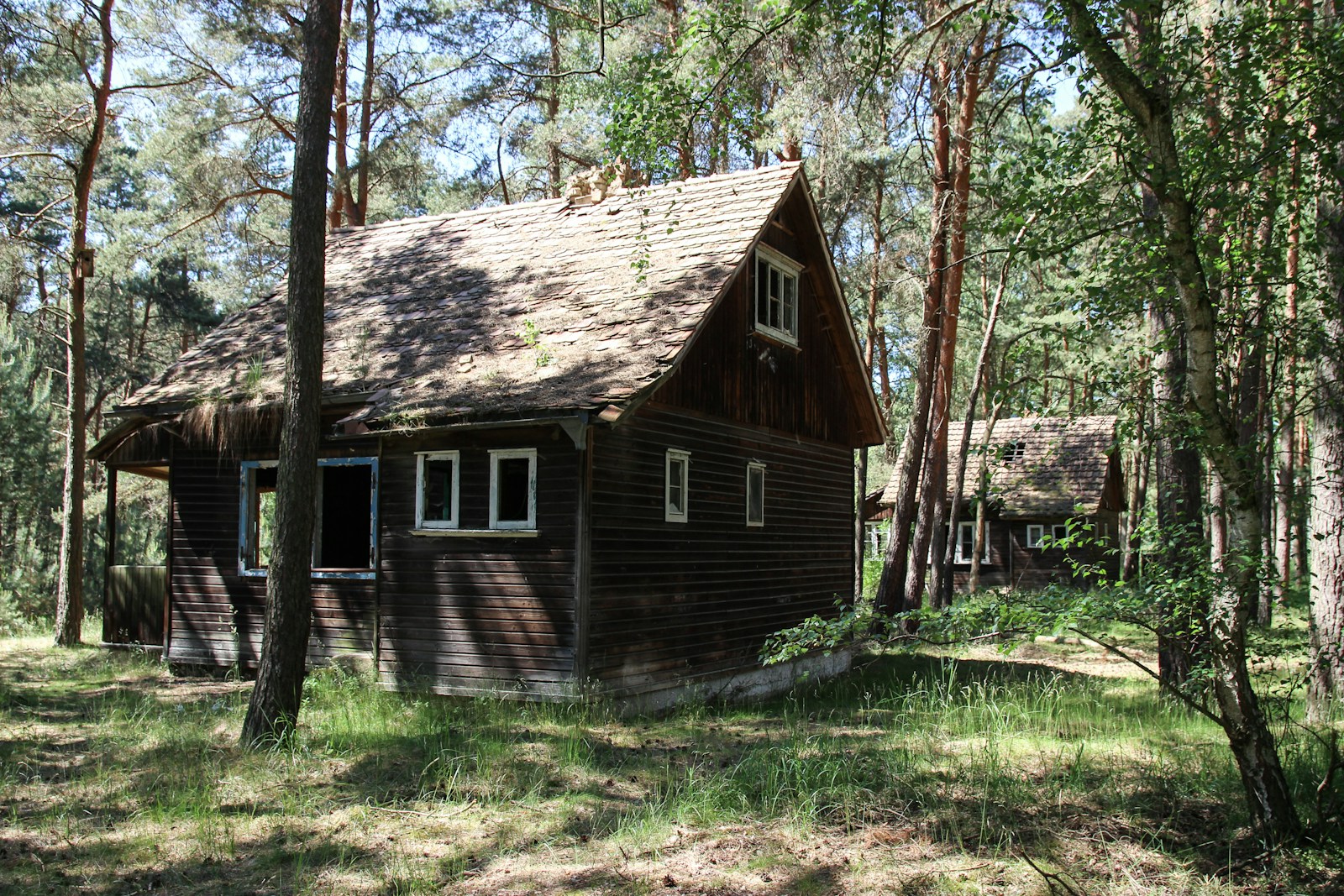
Barn conversions and farm-adjacent properties have real, genuine appeal, the architecture, the space, the rural setting, and none of that appeal requires guessing a working-farm experience that doesn't actually exist. But it's a very common temptation: a converted barn with a nice view of a neighboring field gets marketed with language implying an actual homestead experience, chickens to collect eggs from, livestock to interact with, farm chores to participate in, when none of that is actually part of the stay.
This creates a specific, predictable problem: a guest who books based on homestead language arrives expecting an experience the property was never set up to deliver, and the resulting disappointment isn't about the actual quality of the stay, it's about a category mismatch between what was promised and what exists.
This is a practical way to market a barn or farm-adjacent property honestly, drawing on the genuine appeal of the setting and the architecture without borrowing homestead or working-farm language the actual stay doesn't back up.
None of this means downplaying a genuinely rural setting. If there really is livestock, if guests really can participate in chores, if there really is an active working farm component, say so clearly and specifically. The issue is exclusively about claiming that experience when it doesn't actually exist. This is not legal advice.
The Difference Between a Rural Setting and a Working Farm
A property can be genuinely rural, surrounded by fields, near active agricultural land, with real farm views, without being a working farm itself or offering any farm-based activities to guests. That distinction matters enormously for how the property should be described.
"Rural setting with farm views" is an honest description of a property near agricultural land with no farm activities included. "Working homestead experience" or "collect eggs from our chickens" is a specific claim about activities a guest will actually expect to do, and if those activities don't exist, the claim is simply false, regardless of how appealing it sounds in the listing description.
Hosts sometimes drift into this language because the general rural, agricultural aesthetic feels adjacent to a working farm, and homestead language feels like it captures that aesthetic more evocatively than plainer, more accurate language would. But the aesthetic and the actual activity are two different things, and guests will notice the difference the moment they arrive expecting one and finding the other.
What Barn Conversions Can Honestly Claim
A converted barn can honestly describe its actual architectural features: exposed beams, high ceilings, the general character of a converted agricultural building, if those features genuinely exist in the space. This is real, distinctive appeal that doesn't require any farm-activity claims to be compelling.
A barn property can honestly describe genuine rural surroundings, quiet, open land, a view of neighboring farmland, if that's accurate. It shouldn't imply that the neighboring farmland is part of the guest experience unless there's an actual, confirmed arrangement allowing guests access or interaction with it.
If there genuinely is some farm-adjacent activity available, a nearby farm stand, an actual arrangement with a working neighbor for a guest visit, that's worth describing specifically and accurately, including any limitations, rather than implying an open-ended, unlimited farm experience that isn't actually available on demand.
Five Homestead Marketing Claims to Avoid Unless They're Literally True
"Collect fresh eggs" or any specific claim about interacting with live animals, unless there are genuinely animals on the property that guests can actually and reliably interact with, not occasionally or by special arrangement only.
"Working farm stay" or "homestead experience," which implies active participation in farm operations. If guests aren't actually doing farm work or participating in farm operations, this phrase oversells the experience significantly.
"Farm-to-table" claims implying meals sourced from the property's own production, unless that's specifically and consistently true, not a one-time thing that happened once and got written into permanent listing copy.
Implying unlimited or open access to neighboring agricultural land that isn't actually part of the rental property or covered by an explicit arrangement with whoever does own or operate it.
Vague "rustic farmhouse charm" language applied to a property with no actual farmhouse history or character, simply because the general rural setting feels adjacent to that aesthetic.
A Composite: The Converted Barn Selling a Homestead That Doesn't Exist
Picture a beautifully converted barn, genuinely striking architecture, exposed beams, a real sense of space, located next to an actual working farm owned by a neighbor. The listing description leans hard into homestead language: "experience the working farm lifestyle," "gather fresh eggs each morning," "immerse yourself in homestead living."
None of that is actually part of the stay. The neighboring farm is a real, active operation, but it's not the guest's to access, and there's no arrangement for guests to collect eggs, interact with animals, or participate in any farm activity. The listing borrowed the neighbor's genuine agricultural authenticity as if it were included in the rental.
A guest books specifically for the homestead experience described, arrives, and discovers a beautiful barn conversion with a nice view of someone else's working farm, no eggs to collect, no animals to interact with, nothing resembling the active homestead experience the listing promised. The disappointment isn't about the property's actual quality, it's a complete category mismatch.
The fix is entirely subtractive: keep every honest description of the barn's real architecture and the genuinely rural setting, and remove every claim implying guest participation in farm activities that aren't actually available. The listing becomes shorter, more accurate, and sets an expectation the stay can actually meet.
Writing Barn and Farm-Adjacent Copy That Holds Up
Describe the actual architecture specifically and honestly: real ceiling heights, real exposed structural features, the genuine character of the conversion. This is compelling, verifiable content that doesn't need embellishment.
Describe the actual setting accurately: genuine rural quiet, real views, actual proximity to agricultural land, without implying access to or participation in whatever activity happens on that land unless there's a specific, confirmed arrangement.
If there is a genuine, confirmed farm activity available to guests, describe it specifically, including any limits, scheduling requirements, or seasonal availability, rather than implying an unlimited, always-available homestead experience.
Read the listing back and ask, for every farm or homestead-adjacent phrase, whether a guest taking it literally would expect something that doesn't actually exist as part of the stay. If yes, remove or specify the phrase until it accurately reflects what's actually included.
Related Reading
More independent-host unique-stay and listing stock-shape reading already live on Crest & Cove.
Frequently Asked Questions
Is it okay to describe a barn conversion as having farmhouse charm if it isn't on a working farm?
Yes, as long as the description focuses on genuine, verifiable architectural features, real exposed beams, real ceiling height, and character actually present in the space, rather than implying a working-farm experience that doesn't exist. A converted barn has real, distinctive appeal on its architecture alone, and that appeal doesn't need a borrowed homestead story to be compelling to the right guest.
What's the difference between a rural setting and a working farm stay?
A rural setting simply means the property sits near agricultural land with genuine quiet and real views, with no farm activities included as part of the stay. A working farm stay implies actual guest participation in farm operations, like collecting eggs or helping with chores, which is a specific and different claim. Conflating the two is how a beautifully converted barn ends up promising an experience the property was never set up to deliver.
Can I mention a neighboring working farm in my listing description?
Yes, as context for the setting, but the description shouldn't imply guests can access or interact with that farm unless there's a specific, confirmed arrangement with whoever operates it. A neighbor's genuinely active farm can support an honest description of the view and the surroundings without becoming part of a claimed guest experience the rental itself doesn't include.
What should I avoid claiming if there are no animals on my property?
Avoid any specific claim about interacting with live animals, such as collecting eggs or feeding livestock, unless animals are genuinely present on the property and guests can reliably interact with them, not just occasionally or by rare special arrangement. A guest who books based on that language and arrives to find no animals experiences a category mismatch, not a minor letdown, and that shows up directly in reviews.
Is a 'farm-to-table' claim accurate for most barn or farm-adjacent stays?
Only if meals are specifically and consistently sourced from the property's own production. A single occasion that happened once and then got written into permanent listing copy as a general claim oversells what guests should actually expect on any given stay. If the property doesn't produce food guests will actually eat, the phrase doesn't belong in the listing regardless of how appealing it sounds.
Why does homestead language cause sharper disappointment than other exaggerated marketing?
Because it implies specific, memorable activities, collecting eggs, farm chores, animal interaction, that guests actively look forward to and plan their trip around. When those activities don't exist on arrival, the letdown is sharper than a vaguer overstatement would produce, because the guest had a concrete expectation rather than a general impression, and that expectation gap tends to show up directly in review language.
How should I describe a genuinely rural but non-farm property?
Describe the actual setting honestly: quiet, real views, genuine proximity to agricultural land, without implying farm activities or access that aren't actually part of the stay. That honest description is often appealing enough on its own; the rural setting and the architecture of a barn conversion don't need a borrowed working-farm story to sell the stay to the right guest.
What if a farm activity is available but only sometimes or seasonally?
Describe it specifically, including the limitation and any scheduling requirement, rather than implying open-ended, always-available access. A clearly scoped, occasional activity, correctly framed as occasional, still adds real value to the listing without setting an expectation of daily or guaranteed access that the actual arrangement can't support.
Does removing homestead language from a listing hurt its appeal?
Not usually. Genuine architectural character, exposed beams, high ceilings, the real character of a converted agricultural building, and an honest, quiet rural setting are compelling on their own without any farm-activity claims attached. What changes when the language is corrected is that guests arrive with accurate expectations, which tends to produce steadier reviews with fewer complaints about a mismatch between what was promised and what was actually there.
How do I check whether my farm-adjacent listing copy overpromises?
Read every farm or homestead-related phrase in the listing and ask whether a guest taking it literally would expect an activity or access that doesn't actually exist as part of the stay. If the answer is yes, remove the phrase or rewrite it to specify exactly what's included and what isn't. That single pass through the copy is usually enough to catch language that was written for atmosphere rather than accuracy.
Work with Crest & Cove Creative
A converted barn next to someone else's working farm isn't a homestead experience just because the view includes one. Guests who book eggs-to-collect language and find no eggs notice the gap immediately.
We help independent hosts write barn and farm-adjacent listing copy that leans on genuine architecture and setting instead of borrowed homestead language the stay can't back up. Send us your current listing and we'll show you what to keep and what to cut.
Reach out at crestcove.co or (256) 998-7502.


Comments