
Shipping Containers and A-Frames: Shape Is a Stay Fact, Not a Brand

Updated: Aug 27
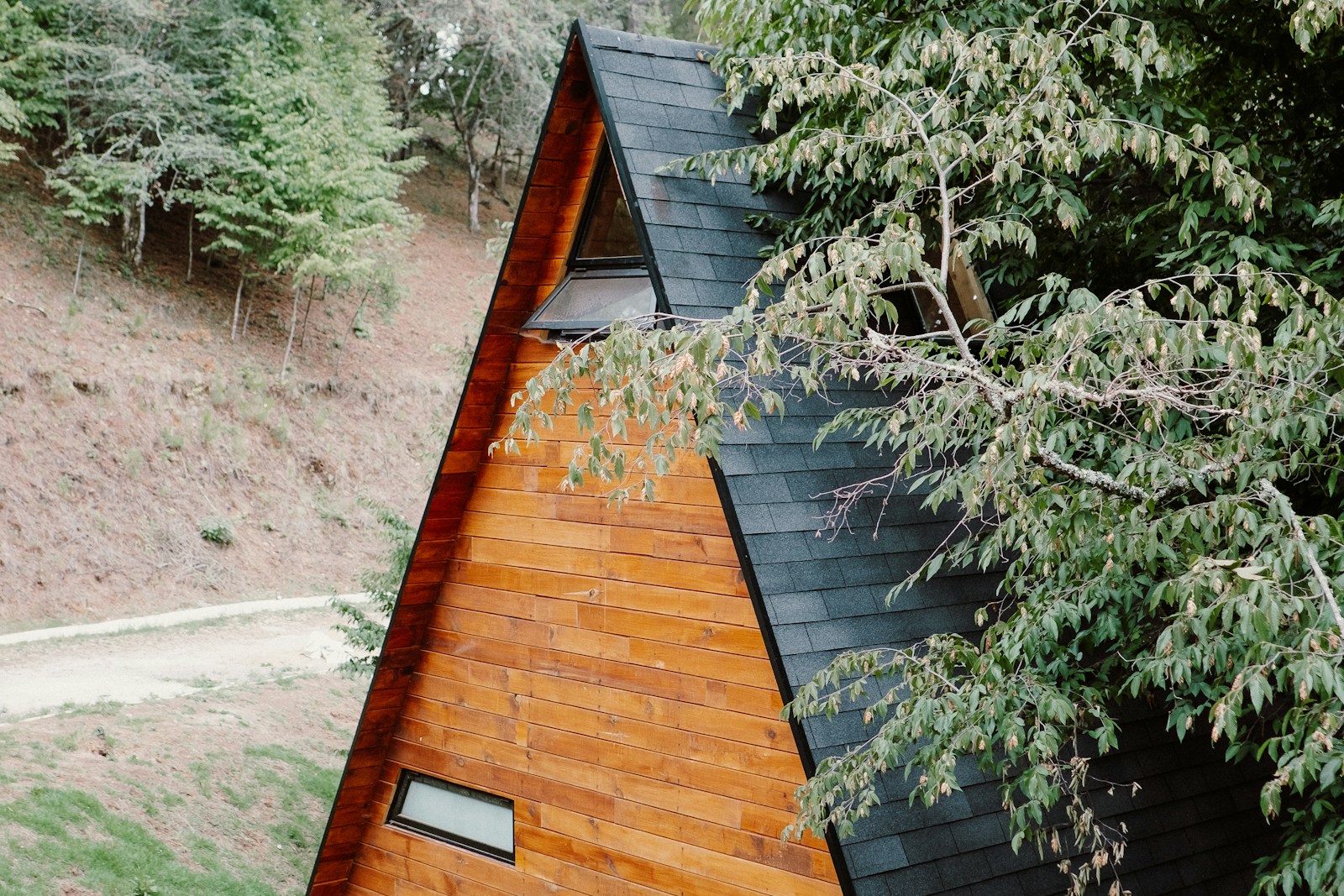
A shipping container conversion, an A-frame cabin, or any other geometrically unusual stay is, first and foremost, a real building with a real shape a guest will sleep inside. That shape is a stay fact - checkable, photographable, and specific - not a design vocabulary a host gets to borrow from a category of buildings the listing doesn't actually belong to.
This page is first-pass listing language for an independent host who owns one odd building - one container, one A-frame - not a cabin-class lecture and not an architect-led design system. The goal is writing copy that matches what's actually true on the listing tile, without dressing an ordinary interior in vocabulary borrowed from boutique design hotels.
Stop publishing copy a guest cannot verify on the actual listing. Bring the current listing and the page that's supposed to represent it, and rewrite it so it matches what's actually true about the object - the shape, the finishes, the layout - rather than what a design-magazine adjective implies it might be. This is not legal advice.
Shape Is Not a Brand
A shape is geometry a guest will sleep inside - a container's rectangular steel footprint, an A-frame's steep roofline and exposed ridge beam. These are physical facts about a building, verifiable the moment a guest walks in, and they should be described as exactly that: physical facts, not a borrowed design-brand identity.
Calling a shipping container conversion a "design hotel" or an A-frame a "modern architectural retreat" imports vocabulary from a different category of property entirely - one with a design team, a curated furniture budget, and a brand standard behind it. An independent host's single unique building rarely has any of that behind it, and copy that implies otherwise sets up a guest for disappointment the moment they see the actual interior.
The honest alternative is naming the shape specifically and accurately: this is a converted shipping container with these specific finishes, or this is an A-frame with this specific roofline and this specific window configuration. Specificity about the actual object does more marketing work than a borrowed design-category label ever will.
A guest who books based on an accurate description of an unusual shape arrives curious and satisfied. A guest who books based on a borrowed "design hotel" label arrives with expectations the property was never built to meet.
What You May Actually Claim About the Object
A host can honestly claim whatever is physically true and checkable about the building: the container's actual dimensions, the A-frame's actual ceiling height at the peak, the actual materials used in the conversion, the actual number and placement of windows. These are stay facts a guest can verify against the photos and against the property itself upon arrival.
A host should not claim architectural pedigree, a named designer, or a design movement the building doesn't actually belong to, unless that claim is genuinely true and verifiable - a specific architect's name, a specific completed design credential, not an implied association with a broader category of "modern design" the listing happens to resemble.
It's also fair to claim genuine, unusual guest-experience facts tied to the shape itself: an A-frame's distinctive triangular window wall, a container's industrial exposed-steel interior detail, if that's actually the finish used. These are specific, ownable claims that don't require borrowing anyone else's design identity.
The test for any claim about the object: could a guest verify this exact sentence by looking at the actual building? If not, it's not a claim about the object - it's an adjective standing in for one.
Five Anti-Patterns That Oversell an Odd Shape
The first anti-pattern is calling any unusually shaped building a "design hotel" experience, importing a category of hospitality the listing doesn't actually belong to. The second is using stock or borrowed photography of a different, more polished container or A-frame build to represent the host's actual property.
The third anti-pattern is naming a design movement or architectural style term - "Scandinavian minimalist," "brutalist," or similar - without the actual finishes and furniture to support that specific claim. A guest who knows what that term actually means will notice the gap immediately upon arrival.
The fourth is treating the unusual shape itself as justification for a significantly higher rate without any corresponding upgrade in amenities, comfort, or finish quality - charging a premium for novelty alone rather than for an actually elevated stay.
The fifth is failing to mention practical realities specific to the shape - a container's potential for temperature swings without proper insulation, an A-frame's reduced usable floor space near the sloped walls - facts a guest benefits from knowing before they book, not after they arrive.
What Regular Listing Craft Still Owns
The core fundamentals of good listing marketing - accurate photos taken in the actual space, honest amenity lists, clear house rules, a title that describes the actual stay rather than a marketing fantasy - apply exactly the same way to a shipping container or A-frame as they do to any conventional rental. An unusual shape doesn't exempt a listing from basic accuracy standards.
Photography fundamentals matter more, not less, for an unusual building: a guest deciding whether an A-frame's sloped ceilings or a container's narrower footprint will actually work for their trip needs clear, honest photos showing the real proportions, not artfully cropped shots that hide the shape's actual constraints.
House rules and practical guidance specific to the shape - how the space heats or cools, where the usable headroom actually is, any access quirks tied to the building's unusual form - belong in the listing description just as much as any standard amenity list would.
None of this requires an architect-led design system or a professional styling budget. It requires the same honest, specific listing discipline that works for any property, applied to a building that happens to have an unusual shape.
A Composite to Avoid: An A-Frame Sold as a Design Hotel
Picture an A-frame with ordinary furniture, a standard kitchenette, and unremarkable finishes - but a listing title and description that promise a "design-forward architectural retreat." The shape itself is genuinely interesting; the interior doesn't match the marketing language wrapped around it.
A guest who books based on that mismatch arrives to find an ordinary interior inside an interesting shape - not the curated, design-magazine experience the copy implied. That gap between promise and reality is exactly what drives review complaints that have nothing to do with the building's actual shape and everything to do with overselling it.
The fix for this composite is straightforward: keep the genuinely interesting shape as the headline fact, describe the actual furniture and finishes honestly without a borrowed design-category label, and let the building's real geometry do the marketing work it's actually capable of doing.
An A-frame with ordinary furniture and an honest description outperforms an A-frame with ordinary furniture and an oversold description, because the first one meets the expectation it set and the second one doesn't.
A 30/90-Day Check for Unique-Stay Listings
At the 30-day mark after publishing or updating a shipping-container or A-frame listing, a host should review actual guest feedback specifically for any comments about the shape not matching what was described - too small, too hot, too cold, ceilings lower than expected - and correct the listing copy or photos accordingly.
At the 90-day mark, a host should re-check whether any design-category language in the listing - "design hotel," a named architectural movement, or similar - still accurately reflects the actual finishes and furniture in the space, especially if anything has been updated, replaced, or has simply aged since the original photos were taken.
This periodic check matters more for unique-shape listings than conventional ones, because the gap between an evocative shape-based description and the actual lived-in interior tends to widen faster when the initial copy leaned on borrowed design vocabulary rather than the building's own honest features.
The discipline is the same at both checkpoints: does the listing's language still match what a guest will actually find, or has the copy drifted further from the object than it started.
Writing the Object You Actually Own
An independent host with one shipping container or one A-frame doesn't need a design team, a branded design category, or an architect's endorsement to market it well. What that host needs is an accurate, specific description of the actual shape, the actual finishes, and the actual guest experience the building provides.
The building's unusual geometry is genuinely a marketing advantage when it's described honestly - a real A-frame roofline or a real container's industrial interior is inherently more interesting than a generic rental description, without needing to borrow a design-hotel label to make that point.
The version of this listing that performs best over time is the one that names the object correctly, shows it accurately in photos, and lets a guest arrive with expectations that match what they actually find - not the version that promises a design category the interior was never built to deliver.
Bring the current listing and rewrite it against what's actually true about the object. That single discipline solves most of what goes wrong in unique-stay marketing before it starts.
Related Reading
More independent-host unique-stay and listing stock-shape reading already live on Crest & Cove.
Frequently Asked Questions
Should a shipping container rental be marketed as a 'design hotel'?
No, unless it genuinely has design-team involvement and finishes that back up that specific claim. A container's shape is a real, interesting stay fact on its own; describing it honestly as a converted container with specific finishes does more marketing work than borrowing a design-hotel label the property doesn't actually earn.
What can a host honestly claim about an A-frame's shape?
Anything physically checkable: actual ceiling height at the peak, actual window placement, actual materials used. A host shouldn't claim an architectural pedigree or design movement unless it's genuinely true; the test is whether a guest could verify the claim by looking at the actual building.
What's the biggest marketing mistake for unusual-shape rentals?
Overselling the interior with design-category language, 'design hotel,' a named architectural style, that the actual furniture and finishes don't support. That mismatch between promise and reality is what drives review complaints, not the shape itself.
Can a host charge more for a container or A-frame just because of its shape?
Charging a premium for novelty alone, without a corresponding upgrade in comfort or finish quality, is one of the common anti-patterns to avoid. A rate premium should reflect an actually elevated stay, not just an unusual exterior shape.
What should A-frame listing photos show clearly?
The real proportions of the space, including where sloped ceilings reduce usable headroom, rather than artfully cropped shots that hide the shape's actual constraints. A guest deciding whether the layout works for their trip needs honest, clear photos of the real space.
Should unique-stay hosts mention practical quirks like temperature swings?
Yes. A container's potential for temperature swings without proper insulation, or an A-frame's reduced floor space near sloped walls, are practical facts a guest benefits from knowing before booking rather than discovering after arrival.
How often should a unique-stay listing be reviewed for accuracy?
At roughly 30 and 90 days after publishing or updating it. Check guest feedback for shape-related mismatches at 30 days, and re-verify that any design-category language still matches the actual current finishes and furniture at 90 days.
Does an unusual building shape require professional design help to market well?
No. An independent host can market a single container or A-frame effectively with accurate photos, honest descriptions of the actual finishes, and specific language about the real geometry, the same listing fundamentals that apply to any conventional rental.
Work with Crest & Cove Creative
A container or A-frame's shape is a real stay fact a guest can verify - not a design-hotel label to borrow. Write the object you actually own, not the category it merely resembles.
We help independent hosts write unique-stay listings that match the actual building instead of borrowed design vocabulary. Reach out at crestcove.co or (256) 998-7502. Send the live listing draft and the facts you can actually cite.
Reach out at crestcove.co or (256) 998-7502.


Comments