
Marketing Unique Stays: Promise, Proof, and Practical Constraints

Updated: Aug 27
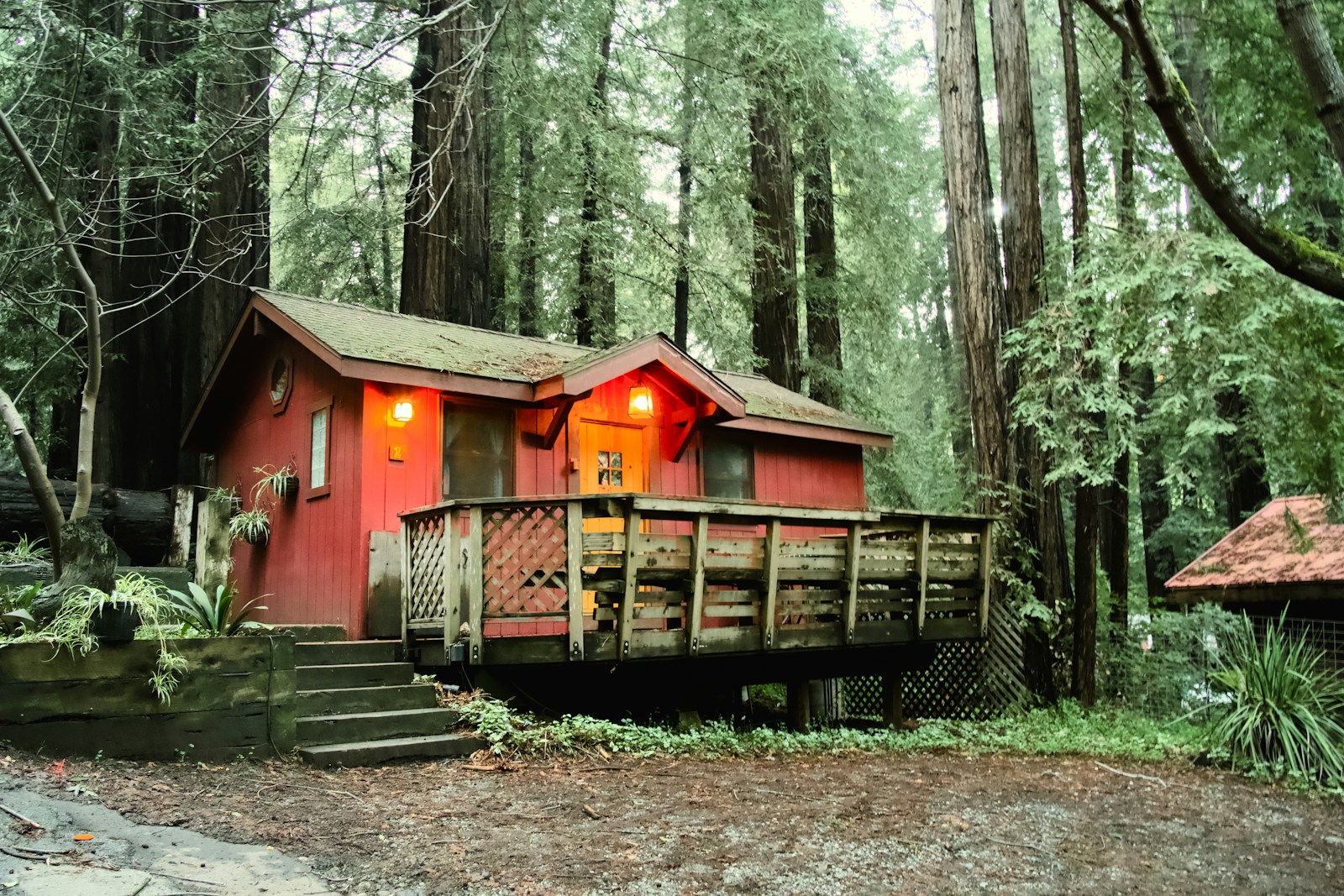
A unique stay is a building the guest will sleep in, not a wishlist word. "Unique" in a listing title is not a stay - it is a decoration on a building you have not yet agreed to keep, and a guest who books a treehouse, a barn conversion, or a converted silo is booking that specific structure, with its specific quirks, not an adjective borrowed from a neighboring listing's marketing.
This page is for independent hosts who still write their own listings and want a shape the building can actually keep, not a marketing consultant's pitch for turning an ordinary house into something it is not. The distinction matters because unique-listing stock guests are shopping for something concrete - a specific structure type - not a general sense of specialness.
This is not legal advice. What follows separates promise from proof for unusual listing stock, names when the unique label is extra load instead of an asset, and gives a 30/90-day check that does not depend on occupancy data you may not have.
A Unique Stay Is a Building, Not a Wishlist
Guests searching for a treehouse, yurt, converted barn, or silo home are looking for that literal structure - the actual walls, ceiling height, and layout that come with it - not a generic promise of "unique" charm. Marketing that leans on the adjective instead of the specific structure fails to connect with the guest actually searching for that category.
This means the listing title and first photo need to show the real structure honestly, including whatever limitations come with it - low ceilings in a treehouse, limited insulation in a converted barn, a ladder instead of stairs to a loft. Those are not weaknesses to hide; they are the specific facts that make the listing match what the guest is actually looking for.
Marketing Is Not the Lock
No amount of marketing skill fixes a structure that does not deliver what the listing promises. If a barn loft is marketed as a romantic getaway but the reality is thin walls and farm noise at dawn, better copywriting will not close that gap - it will just get more guests to discover the gap after they have already paid.
Marketing's actual job with unique listing stock is translation, not invention: taking what the building genuinely offers and describing it accurately enough that the right guest self-selects in. It cannot manufacture climate control that does not exist or soundproofing that was never installed.
Promise, Proof, and What You May Not Claim
Promise only the treehouse, barn, or tent you can keep. If the listing calls it a treehouse, the guest should sleep in something that is recognizably a treehouse - elevated, built around or against trees, with the specific access and feel that implies - not a ground-level cabin with tree-themed decor.
Proof is what backs the promise up on arrival: the actual structure matching the actual photos and actual description, with no gap between what was marketed and what the guest steps into. A unique stay lives or dies on that match more than an ordinary house does, because the guest specifically chose it for the unusual shape.
What you may not claim is anything the structure cannot back up on a normal night, not just a best-case one. If the hot tub only works in warm months, do not market it as an all-season amenity. If the loft sleeping area is only comfortable for two despite a four-guest capacity, say so directly rather than letting the guest discover it at check-in.
When a Unique Label Is Extra Load
Calling an ordinary spare room a "unique guest suite" does not create demand - it creates a mismatch between what a guest expects from that word and what they actually find, which produces exactly the kind of review that hurts more than a plainly described ordinary room would have.
The unique label is extra load whenever it requires the guest to mentally adjust their expectations downward on arrival. A label should describe reality upward from something plain, never downward from something exaggerated.
A useful test before adding a unique-sounding word to a listing: would a guest who read only that word, without seeing a single photo, form an expectation the space actually meets? If the honest answer is no, the word belongs in a different listing or nowhere at all.
When an Ordinary House Is Still Rational
Not every property benefits from unique-stay marketing, and that is fine. An ordinary, well-run house with accurate photos and a clear description competes perfectly well on its own terms - reliability, location, and value - without needing to borrow language from a category it does not belong to.
Chasing the unique-stay search category when your listing stock does not actually fit it usually produces the worst outcome: guests who booked expecting something unusual, got something ordinary, and left disappointed by a mismatch the host created through marketing rather than through the actual property.
The Composite: Barn Loft, Homestead Title, No Livestock
A common failure pattern: a barn-style structure marketed with homestead and farm-life language - a title implying an agricultural experience - when there is no actual livestock, garden, or working farm element to the stay. The guest arrives expecting a farm experience and finds a nicely converted building with none of the promised context.
The fix is not abandoning the barn-aesthetic marketing entirely - it is being precise about what is real. If there is no livestock, do not imply livestock. If the farm setting is purely visual rather than a working operation, describe it as a barn-style building in a rural setting, not a working homestead stay.
This same precision applies to any borrowed aesthetic - lighthouse-adjacent, ranch-style, historic-mill conversion. The visual language can stay if it is accurate; the specific claim of an operating function that does not exist is what needs to go.
The Job Split When a Unique Shape Goes Wrong
When a unique property underdelivers on its marketing, the fix usually is not more marketing spend - it is clarifying who owns what. A marketing partner can rewrite the listing to match reality; a co-host can flag on-site issues that never made it back to the listing description; a channel manager keeps the corrected listing synced across platforms; and a larger property manager, if one is involved, should be the one enforcing that the physical structure gets fixed rather than just re-described.
Sorting that job split before a review crisis, not during one, saves a host from the common mistake of asking a marketing person to solve a maintenance or accuracy problem that actually belongs to whoever manages the property day to day. Write the split down once, even informally, so everyone involved knows who fixes the building and who fixes the words.
Running the 30/90-Day Check Without Occupancy Data
At 30 days: reread your own unique-stay listing and mark every claim that describes something the guest cannot verify from the photos or a plain-language description - vague words like "magical," "one-of-a-kind," or "unforgettable" that carry no specific, checkable content. Replace each one with a concrete detail about the actual structure.
At 90 days, without needing occupancy numbers: read through recent reviews specifically for language suggesting the guest was surprised by the structure itself - not the service, not the location, but the physical building not matching what they expected. A drop in that specific kind of surprise, even without a booking-rate change to point to, means the listing language is doing its job.
Related Reading
More independent-host unique-stay and listing stock-shape reading already live on Crest & Cove.
Frequently Asked Questions
What makes a listing 'unique stay' marketing versus just an adjective?
Real unique-stay marketing describes a specific, checkable structure type - a treehouse, converted barn, silo home, or similar - with the actual quirks and limitations that come with it. Adjective-only marketing uses the word "unique" or similar language to describe an otherwise ordinary space, which creates a mismatch the moment the guest arrives and finds nothing structurally unusual about the stay.
Can I use aspirational language like 'magical' or 'unforgettable' in a unique-stay listing?
Use it sparingly, if at all, and always back it with a specific, checkable detail right next to it. Vague aspirational words carry no content a guest can verify before booking, and they do nothing to help the right guest self-select in. A concrete detail - the actual view, the specific structure type, the real access route - does that job far better than an adjective ever will.
What should I do if my property doesn't fit any unique-stay category?
Market it as a well-run ordinary property and compete on reliability, location, and accuracy instead of borrowing unique-stay language it cannot support. Chasing a category your listing stock does not fit usually produces disappointed guests who expected something unusual and found something ordinary, which is a worse outcome than simply describing the property honestly for what it is.
How specific do I need to be about a unique structure's limitations?
As specific as anything that could reasonably surprise a guest at arrival - ceiling height in a treehouse, insulation quality in a converted barn, ladder access instead of stairs to a loft. These are not weaknesses to minimize; they are the exact facts that let the right guest, who genuinely wants that specific structure, choose it with full information.
Who is responsible for fixing a unique listing that underdelivers?
It depends on what specifically failed. A marketing partner can rewrite listing copy to match reality, a co-host can report on-site issues that never made it into the description, a channel manager keeps corrections synced across platforms, and a larger property manager, if one is involved, should be pushing for actual physical fixes rather than just a rewritten description. Sorting this job split before a crisis avoids assigning a marketing fix to a maintenance problem.
Is it ever okay to use farm or homestead language without an actual working farm?
Only if the language accurately describes a barn-style or rural-setting aesthetic without implying an active agricultural experience the guest will get. If there is no livestock, garden, or working operation, avoid words that imply those things exist. Describing the building as barn-style in a rural setting is honest; describing it as a working homestead stay when it is not creates a promise the property cannot keep.
How do I know if my unique-stay marketing is actually working?
Without occupancy data, the clearest signal is reviews specifically mentioning surprise about the physical structure itself, not the service or the location. Reread recent reviews for language suggesting the guest expected something different structurally than what they found. A drop in that specific kind of complaint over a 90-day window means your listing description is matching guest expectations more accurately.
What is the single biggest mistake hosts make marketing unique listing stock?
The biggest mistake is treating "unique" as an adjective to sprinkle over an otherwise ordinary property instead of a precise description of an actual unusual structure. This creates listings that promise more specialness than the building can deliver, which produces guests who feel misled the moment they see the space in person rather than through a curated photo angle.
Work with Crest & Cove Creative
A unique stay is a building the guest will sleep in, not a wishlist word. Promise only the treehouse, barn, or tent you can actually keep.
We help independent hosts market unusual listing stock with promise and proof that actually match the structure. Reach out at crestcove.co or (256) 998-7502 and bring your current listing so we can check the words against the building.
Reach out at crestcove.co or (256) 998-7502.


Comments