
Treehouses and Elevated Stays: Safety and Wonder in Copy

Updated: Aug 27
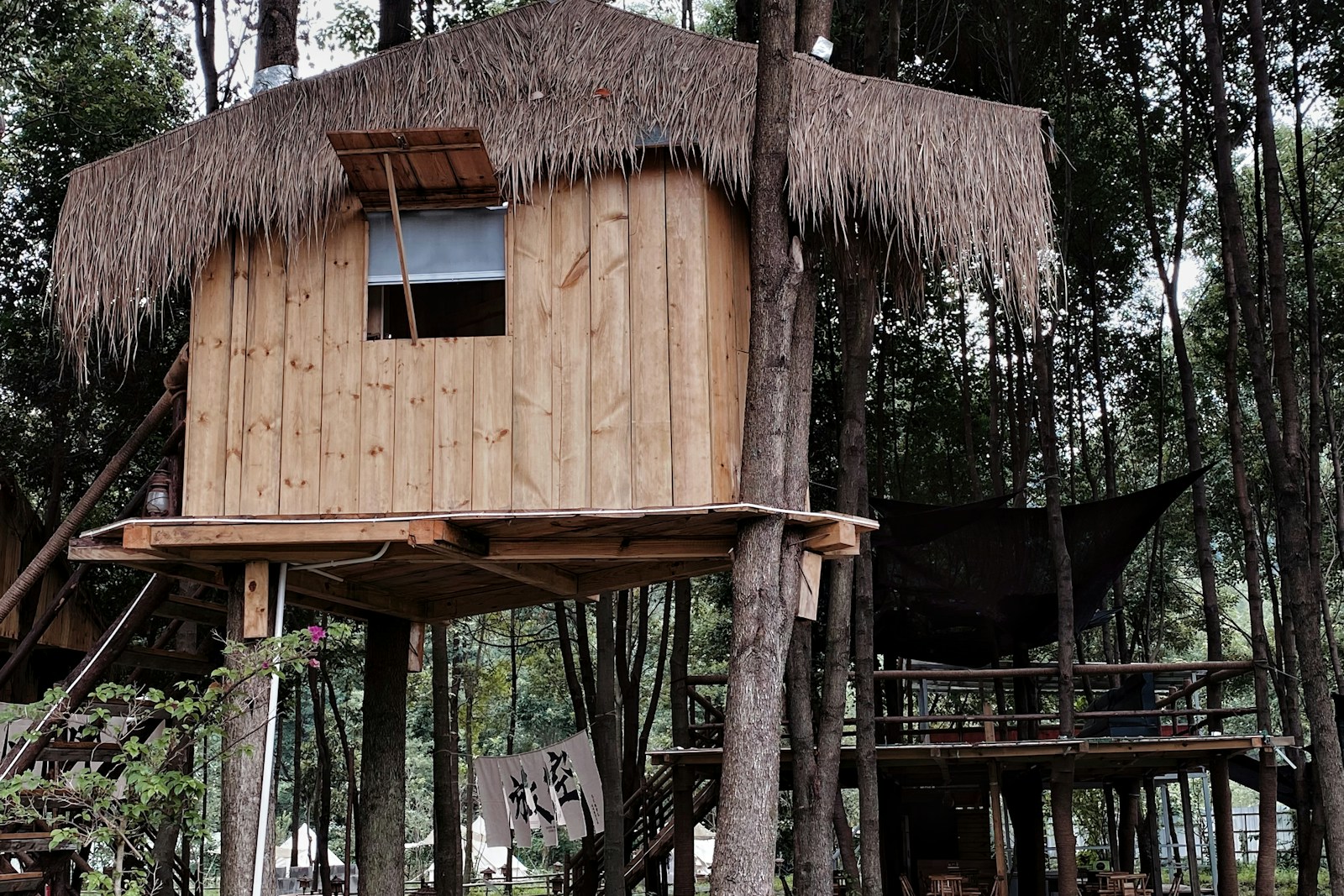
A treehouse listing sells on wonder, and wonder is exactly the kind of claim that gets stretched loosely in copy - 'treehouse' applied to any elevated platform with a trunk visible in the background photo, regardless of whether a living tree is actually holding or framing the structure.
Guests shopping specifically for an elevated or treehouse stay are looking for one particular experience: a structure they climb up into and back down from, built around or against something genuinely alive and tree-shaped. They are not shopping for a category label borrowed loosely from a neighbor's more literal treehouse.
This page separates the wonder that belongs in honest copy from the safety details that also belong there, so guests booking an elevated stay know both what they are getting and what to expect physically before they arrive. This is not legal advice.
Wonder Is a Stay Fact
Calling a structure a treehouse is a factual claim about how the building relates to a tree - built into it, built around it, suspended from it - not a mood word applied because the lot happens to have trunks nearby. Guests read that word as a specific promise about the structure itself.
The wonder in a genuine treehouse listing comes from real, describable details: the specific tree species if you know it, how the structure attaches or sits relative to the trunk, what guests see from inside at different times of day. Specific detail creates more wonder than a generic adjective ever does.
A platform built on stilts near some trees is a legitimate, appealing elevated stay in its own right - it does not need to borrow the word treehouse to be marketable. Describing it accurately as an elevated cabin or platform stay is its own selling point.
The distinction matters most at the moment a guest arrives. A guest who booked expecting a structure built into a living tree and finds a stilted platform with trees nearby will feel the gap immediately, even if the stay itself is genuinely nice.
Safety Belongs in the Copy, Not Just the Waiver
Height, the number and type of stairs, whether there is a landing partway up, and any handrail or guardrail details are information a guest needs before booking, not information that only shows up in a signed waiver after they have already committed.
Guests with mobility considerations, guests traveling with small children, or guests who are simply uneasy with height all make different booking decisions when they know the actual physical access in advance. Omitting that detail does not avoid the conversation - it just moves it to a more frustrating moment, mid-stay or at check-in.
State the specific access clearly: how many steps, whether there is a rope bridge or ladder section, whether the final approach requires climbing rather than walking. These are the details that let the right guest self-select in and the wrong guest self-select out before either side wastes a booking.
If the structure has any specific weather-dependent access limitation - a walkway that gets slippery in rain, a platform not recommended in high wind - state that too. A guest who arrives unprepared for a weather-dependent access issue is a guest who will describe the stay less generously in a review.
What You May Not Claim About Height and Access
Do not claim a specific height in feet unless you know the actual measurement - guests notice when a stated height clearly does not match what they experience, and a wrong specific number is worse than a vague but honest description.
Do not describe access as 'easy' or 'simple' if it involves a genuine climb, multiple flights of stairs, or a structure that sways or moves underfoot. Those words set an expectation of effortless access that a real elevated structure often cannot meet.
Do not omit an access detail because you are worried it will scare off bookings. A guest who is genuinely uncomfortable with the actual access is better off not booking than booking and having a frightening or disappointing experience that turns into a public review.
Five Anti-Patterns Worth Retiring
The first anti-pattern is calling any elevated structure a treehouse regardless of whether a living tree is actually structurally involved. The second is using the word treehouse in the title purely because a neighboring listing does, or because a previous listing name felt too ordinary.
The third is describing genuinely challenging access - steep stairs, a swaying rope bridge - with soft language like 'easy climb' that undersells the actual physical experience. The fourth is showing photos from angles that hide the true height or the actual access path, leaving the guest to discover both on arrival.
The fifth is omitting weather-dependent access limitations entirely, leaving a guest to discover mid-stay that a rainy day makes the approach genuinely difficult or unsafe.
A Composite: Platform Cabin Sold as a Treehouse
Picture a stilted cabin, structurally independent of any tree, marketed as a treehouse purely because mature trees surround the lot and appear in every photo. A guest booking expecting a structure built into a living tree arrives to a perfectly nice platform cabin that simply is not what the word promised.
The disappointment here is not about the quality of the actual stay - it is entirely about a word that overclaimed a category the structure does not belong to. The same cabin, marketed honestly as an elevated platform stay surrounded by mature trees, would have set the right expectation and likely gotten a better review.
The fix is a title and description change, not a construction change. Naming the structure accurately - elevated cabin, platform stay, tree-surrounded retreat - captures the same wonder without making a factual claim the building cannot back up.
A 30/90-Day Check on Wonder and Safety Copy
Thirty days after publishing or updating a treehouse or elevated-stay listing, reread the access description against what a first-time guest actually experiences climbing up - confirm the stair count, the handrail description, and any weather note are all still accurate.
Ninety days out, check guest reviews and messages for any comment about the structure being different than expected, whether that is about the tree itself, the height, or the difficulty of access. A repeated comment in that category is a signal the copy still overclaims somewhere.
This check matters because access details can change - a handrail gets added, a step gets repaired, a tree limb comes down - and a listing description written once at launch can drift out of accuracy without anyone deciding to change it.
Related Reading
More independent-host unique-stay and listing stock-shape reading already live on Crest & Cove.
Frequently Asked Questions
What does calling a structure a treehouse actually claim?
It is a factual claim about how the building relates to a living tree, built into it, built around it, or suspended from it, not a mood word applied because trunks happen to be visible in the background photo. Guests read the word as a specific structural promise, not decoration, and the real wonder comes from describable details like tree species and how the structure attaches, not the label itself.
Is it dishonest to market a stilted cabin near trees as a treehouse?
Yes, if no living tree is structurally involved in holding or framing the building. A stilted platform surrounded by trees is a legitimate, marketable elevated stay on its own terms and doesn't need to borrow the word treehouse to sell; describing it accurately as an elevated cabin or platform stay avoids the exact gap that produces disappointed arrivals when a guest expected something built into a living tree.
What safety details belong in the listing copy rather than just a waiver?
Height, stair count, whether there is a landing partway up, handrail or guardrail details, and any weather-dependent access limitation, like a walkway that gets slippery in rain, all belong in the listing copy. Guests with mobility considerations, small children, or unease with height need this information to decide whether to book, not just to sign off on after they have already committed.
Should a host describe a challenging climb as 'easy'?
No. Soft language like 'easy climb' or 'simple' undersells a genuinely challenging structure, steep stairs, a swaying rope bridge, and sets an expectation the actual physical access will not meet. Describe the access specifically, how many steps, whether there's a rope bridge or ladder section, and let guests judge for themselves rather than reading a mood word.
Can a host state a specific height in feet for a treehouse?
Only if the measurement is actually known and accurate. A wrong specific number is worse than an honest, general description, because guests notice the mismatch immediately on arrival and it undermines trust in every other stated detail, including photos that may have already hidden the true height or the actual access path from view before booking day.
What is the composite failure this page describes?
A platform cabin marketed as a treehouse purely because mature trees surround the lot and appear in every photo, disappointing guests who expected a structure built into a living tree. The disappointment isn't about the quality of the stay; it's about a word that overclaimed a category the structure doesn't belong to. Renaming it accurately as an elevated cabin or platform stay captures the same appeal honestly.
How often should elevated-stay access details be reviewed?
Roughly every 30 to 90 days: at 30 days, reread the access description against what a first-time guest actually experiences climbing up, confirming stair count, handrail description, and any weather note are still accurate. At 90 days, check guest reviews and messages for any comment about the structure being different than expected, since access details like a handrail or a step can change without anyone updating the listing.
Does accurate treehouse copy hurt bookings by scaring guests off?
It filters bookings toward the right guest rather than reducing overall interest. A guest genuinely uncomfortable with real access is better off not booking than arriving unprepared and turning that mismatch into a public review; accurate copy that names the specific stair count, handrail, and climb protects both the review and repeat-guest potential either way.
Work with Crest & Cove Creative
Wonder is a stay fact, not an adjective borrowed from a neighbor's listing. Say what the tree and the climb actually are before a guest books blind.
We help independent hosts write elevated-stay and treehouse copy that keeps the wonder honest and the safety details upfront. Send us your current listing and photos, and we will help you name the structure for what it actually is.
Reach out at crestcove.co or (256) 998-7502.


Comments