
Glamping and Canvas Stays: Writing the Listing That Sets Real

Updated: Aug 27
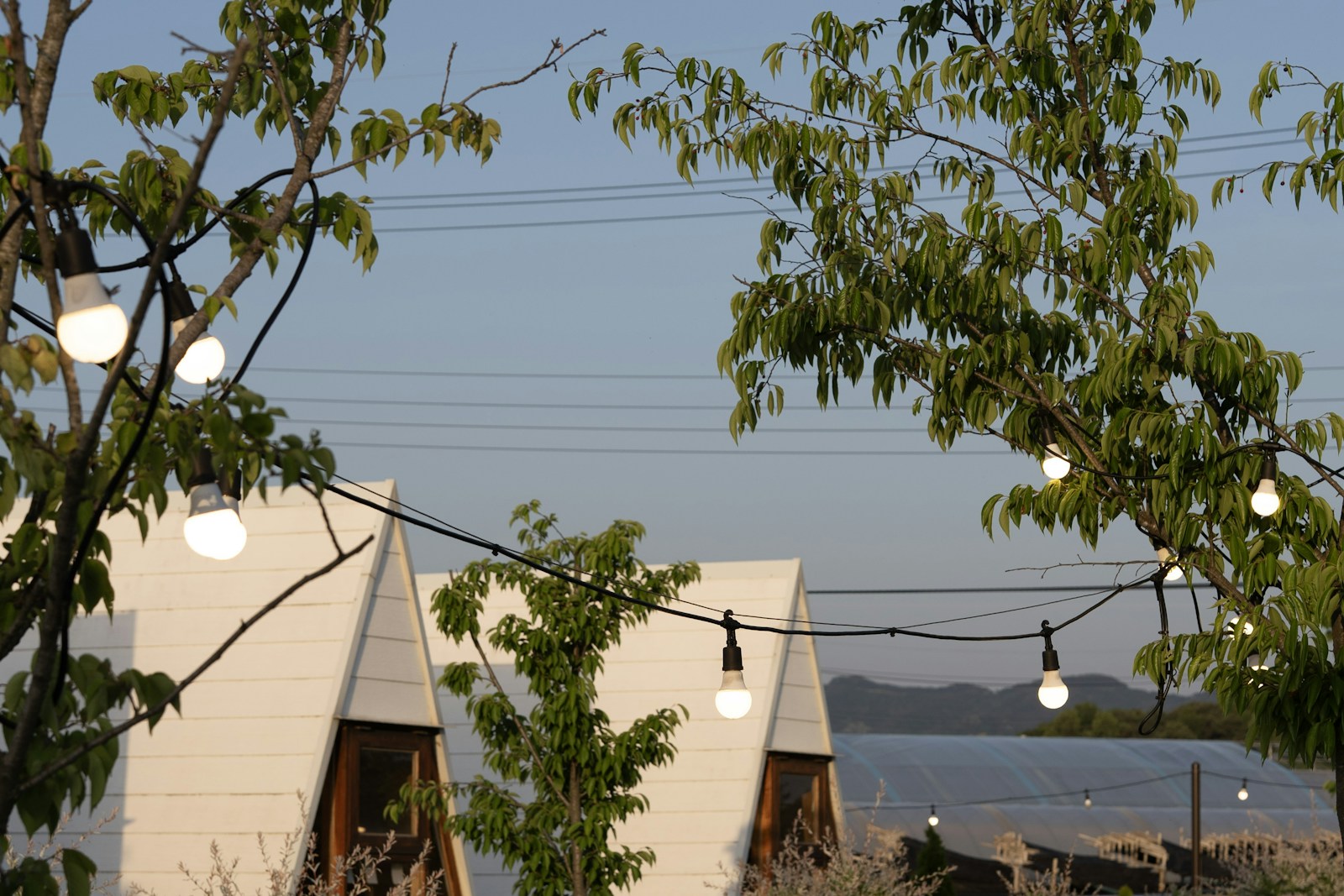
A tent, a yurt, and a canvas cabin are all fundamentally different structures than a house, and that single fact should shape every line of a glamping listing. Heat, bath, and the real floor belong in the listing before anyone books a hotel night in a tent. The listing copy has to say so plainly, rather than borrowing hotel language that the fabric of the structure cannot back up.
This page is first-pass listing language for independent hosts who own one tent, yurt, or canvas cabin, not a resort brand and not a class lecture. The goal is writing the night the canvas can actually keep, not the night a stock photo makes it look like it offers. What follows covers the stay facts that belong in the listing before anyone books, the anti-patterns that cause the worst reviews in this category, and a 30/90-day check to see whether your expectation-setting is actually working.
The recurring failure mode in this category is consistent: listing copy leans on hotel and spa language, the photos are styled to suggest hotel-grade amenities, and the actual structure is a tent with a shared or short-walk bathroom and no climate control. A review complaining that a tent was cold in October is really a complaint about a listing that did not mention cold nights, and that distinction matters when you are deciding what to fix.
None of what follows is about talking a property down or making it sound less appealing than it is. It is about matching the words to the object, so that the guest who books arrives excited for the actual stay in front of them rather than disappointed by the gap between a stock-photo promise and a canvas reality. This is not legal advice.
Rain, Wind, and Temperature Swings Are the Stay, Not a Defect
Rain sound, wind flap, temperature swings, and condensation are not defects in a glamping stay; they are the stay, and a listing that does not say so is setting a guest up to feel deceived on their first night regardless of how nice the interior styling is. A guest who books despite an honest weather description arrives already excited about the exact experience on offer, while a guest who books because the listing avoided the subject arrives with expectations the property was never going to meet, no matter how well the stay is run.
Under Canvas Yosemite's own reporting discloses that its tents are not air-conditioned; cooling comes from fans and screened windows, and cooler weather is handled with a heated mattress pad and a space heater rather than a thermostat-controlled system. That is a hotel-scale operator saying plainly that hotel-style climate control is not the product, and it is a useful model for how an independent host should describe their own, smaller-scale canvas structure: state what actually regulates temperature, not what a guest might assume from the word 'stay' on a booking platform.
This single fact alone deserves its own line in the listing, separate from the general amenities list. Do not bury the true weather and temperature experience inside a bullet point about 'rustic charm' or 'nature immersion.' Write a full sentence that tells a guest what a rainy night sounds like inside canvas walls, and what a cold night feels like without a furnace running.
Think of this as writing for the guest at their most tired and most literal, the one checking in after dark, unfamiliar with the property, listening to an unfamiliar sound against the canvas for the first time. That guest is not reading your listing's mood-board language in that moment; they are recalling whatever specific, concrete sentence you wrote about what nights here actually sound like. If that sentence doesn't exist, the guest fills the gap with worry instead of context, and worry at 11 p.m. in an unfamiliar structure is what turns into a one-star review by morning, regardless of how well the stay would otherwise be rated.
Heat Source: Say What It Actually Is
Heat source matters just as much as weather exposure, and it deserves the same directness. A wood stove that needs tending overnight is a different experience than a space heater on a thermostat, which is different again from no heat source at all outside of blankets. Visit Wales's own glamping accommodation criteria tell assessors to consider which months a unit is let and whether heat is available inside and out, and note that the heat source may also double as the cooking source, which is a materially different guest experience than a simple thermostat.
State the actual heat source plainly and frame it as part of the experience rather than a limitation. A wood stove that needs tending overnight can be described as part of the cabin's character rather than an inconvenience to hide. Guests who want a true canvas experience often view a wood stove as a feature; the problem only arises when the listing implies central heat that does not exist.
If your structure has no heat source beyond blankets and layered bedding, say that too, and say which months you actually operate the property given that limitation. Visit Wales's heating guidance exists precisely because heat availability changes by season for a canvas structure in a way it typically does not for a hard-sided house, and a listing that is honest about seasonal heat limits will draw guests who are prepared for them rather than guests who assumed year-round comfort.
There is also a practical, operational reason to be this specific about heat, beyond guest satisfaction: a guest who knows in advance that a wood stove needs tending overnight can decide whether that's a chore they want on a getaway or a feature they're looking forward to, before they've committed a night's payment and driven out to the property. A guest who discovers the tending requirement only after arrival has no such choice left, and that lack of choice, more than the stove itself, is what generates the complaint.
Bathroom Location Is a Booking-Decision Fact, Not a Footnote
Guests rarely complain about the tent itself; they complain about being surprised by something the listing should have already told them, and bathroom location is one of the most common surprises in this category. Visit Wales's shared-bathroom glamping minimums call for one shower or bath, one WC, and one washbasin per 15 guests, with interior bolts on shared shower and WC doors, a standard built specifically around the reality that many canvas stays use shared facilities rather than an ensuite.
For a unit with its own private bathroom, Visit Wales asks for a minimum of one shower or bath, one WC, and one washbasin per eight guests, and specifies that guests should not have to pass other accommodation on the way to the bathroom. Visit Wales also notes that a private bathroom may be within the unit or adjacent to it, the example given is a shepherd's hut bathroom sitting beside or behind the hut, which means listing copy must say explicitly whether the bath is inside the canvas structure or a short walk away.
Under Canvas Yosemite's own reporting treated its attached private bathroom, with a flushing toilet and hot shower, as a standout amenity relative to competitors, which is direct evidence that bathroom location and type function as a real booking-decision fact rather than a minor detail. Whatever your setup is, shared facilities down a path, a private bath attached to the tent, or something in between, describe it in a full sentence: what the walk to the bathroom feels like in the dark, how far it is, and whether it is private or shared.
Visit Wales's quality-assured glamping criteria also require hot water at all times, adequate lighting, and adequate heating when required for bathroom facilities, even when those facilities are rustic or more open to the elements than a house bathroom would be. If your bathroom setup falls short of that standard in any way, for example no hot water after a certain hour, or lighting that depends on a guest bringing their own flashlight, that is exactly the kind of detail that belongs in the listing rather than being left for the guest to discover after dark.
A short, specific paragraph does more work here than a checklist icon. 'The bathroom is a two-minute walk on a lit gravel path, shared with two other tents, with hot water and a proper flush toilet' tells a guest everything they need to decide whether this stay fits their tolerance for a shared, outdoor-adjacent bathroom. An amenities icon that simply says 'bathroom' next to a checkmark tells them nothing, and the gap between those two approaches is exactly where the surprised, negative review comes from.
The Anti-Pattern: Photos Sell a Hotel, the Structure Delivers Canvas
Photographing only the sunny, calm-weather version of the site, and never mentioning what a rainy or windy night sounds and feels like inside canvas walls, is the single most common version of this pattern.
The first storm becomes the guest's introduction to a fact the listing should have already told them. Leaving heat, bathroom location, and weather exposure out of the listing description, and hoping the photos communicate it, produces exactly the kind of review that damages a listing's long-term booking rate: not a complaint about the property itself, but a complaint about being misled regarding what the property is.
Leave hotel, spa, and luxury framing off the listing until those specific objects are real and the stay can actually keep them. Every fact about heat, bathroom access, and weather exposure needs its own sentence in the listing, separate from the photo gallery. Airbnb's own ground rules require exactly this kind of disclosure: amenities and restrictions, including heat source, bathroom access, and seasonal limits, must be disclosed on the listing page, which means honest copy here is not just good practice, it is a platform expectation you are already operating under.
It helps to think of hotel and spa language as a claim you have to be able to back up with an actual object on the property, not a mood you're trying to evoke. 'Spa-like' implies climate control, plush linens, and a controlled indoor environment; if your canvas structure delivers a genuinely comfortable, well-appointed interior but still has wind flap and a walk to the bathroom, describe the comfort you actually deliver in concrete terms rather than borrowing a word that promises more than the structure can hold.
The 30/90-Day Check on Your Own Listing Language
At 30 days, reread your own listing description as if you have never seen the property, and flag every word that implies hotel-grade amenities, luxury, spa, five-star, climate-controlled, that the actual structure cannot deliver. This is not a stylistic edit; it is a search for the specific gap between what the copy promises and what the canvas, the heat source, and the bathroom setup can actually keep.
At 90 days, look specifically for a drop in the kind of complaint that stems from surprise rather than from the property's genuine condition or cleanliness. A drop in that specific kind of complaint, even if overall review volume stays the same, is the clearest sign the listing language is now matching the actual stay. Guests who read an honest description of a rainy night in canvas and still book are guests who are far less likely to leave a surprised, negative review after the fact.
If surprise-based complaints have not dropped by the 90-day mark, go back to the listing text itself before changing anything about the physical setup. The fix in this category is almost always in the words, not in the structure. A guest who knows exactly what a canvas stay involves, and books it anyway, is the guest who leaves the review that actually helps your listing.
Run this same check seasonally, not just once. A listing description written and checked in May, when the property is mild and dry, can quietly drift out of date by September, when a wood stove is back in regular use and cold nights have returned. Re-reading the listing at the start of each season it operates in, rather than treating the 30/90-day check as a one-time exercise, keeps the copy honest across the full range of conditions guests will actually encounter.
Related Reading
More independent-host unique-stay and listing stock-shape reading already live on Crest & Cove.
Frequently Asked Questions
What does 'canvas is weather' mean for a glamping listing?
It means a tent, yurt, or canvas cabin cannot insulate against rain sound, wind, and temperature swings the way a hard-sided house can, and the listing needs to say so directly rather than implying otherwise through styling or hotel-style language.
How specific should I be about bathroom location in a glamping listing?
Very specific. State whether the bathroom is inside the structure or a walk away, whether it is private or shared, and what that walk feels like in the dark. Guests rarely complain about the tent itself; they complain about being surprised by something the listing should have already told them.
Do I need dramatic storm photography to set expectations honestly?
No. You do not need dramatic storm photography, but the listing text should describe what wind, rain, and cold nights genuinely sound and feel like inside the structure, since photos alone cannot convey that.
Is an honest weather description going to scare guests away from booking?
A guest who reads an honest description of a rainy night in canvas and still books is a guest who is far less likely to leave a surprised, negative review after the fact. Honest copy filters for the right guest rather than reducing total bookings.
How should I describe a wood stove or non-thermostat heat source?
State the actual heat source plainly and frame it as part of the experience rather than a limitation. A wood stove that needs tending overnight can be described as part of the cabin's character; guests who want a true canvas experience often view it as a feature, not a downside, as long as the listing is honest about it.
What do outside standards say about shared-bathroom glamping setups?
Visit Wales's glamping criteria call for a minimum of one shower or bath, one WC, and one washbasin per 15 guests for shared facilities, with interior bolts on shared doors, and require hot water at all times and adequate lighting even in rustic bathroom setups.
What's the difference in bathroom standards for a private ensuite setup?
Visit Wales asks for a minimum of one shower or bath, one WC, and one washbasin per eight guests for a unit with its own private bathroom, and specifies guests should not have to pass other accommodation on the way there. A private bathroom may be within the unit or adjacent to it.
What is the most common listing mistake in this category?
Listing copy that leans on hotel and spa language while photos are styled to suggest hotel-grade amenities, when the actual structure is a tent with a shared or short-walk bathroom and no climate control. The first storm becomes the guest's introduction to a fact the listing should have already disclosed.
Am I required to disclose things like heat source and bathroom access?
Airbnb's own ground rules require amenities and restrictions, including heat source, bathroom access, and seasonal limits, to be disclosed on the listing page. Honest listing copy in this category is a platform expectation, not just good practice.
How do I check whether my listing language is actually working?
At 30 days, reread your listing as if you'd never seen the property and flag any hotel, spa, or luxury language the structure can't back up. At 90 days, check whether surprise-based complaints have dropped; if they haven't, revise the listing text again before changing the physical setup.
Work with Crest & Cove Creative
Rain sound and wind flap are not defects in a glamping stay. They are the stay, and the listing needs to say so before the first storm does it for you.
Reach out at crestcove.co or (256) 998-7502 for help writing glamping listing copy that matches what your tent, yurt, or canvas cabin can actually keep. Name the failure mode the guest can check on the listing.
Reach out at crestcove.co or (256) 998-7502.


Comments