
Drone Photos for STRs: When Aerials Help and When They Do Not

Updated: Aug 27
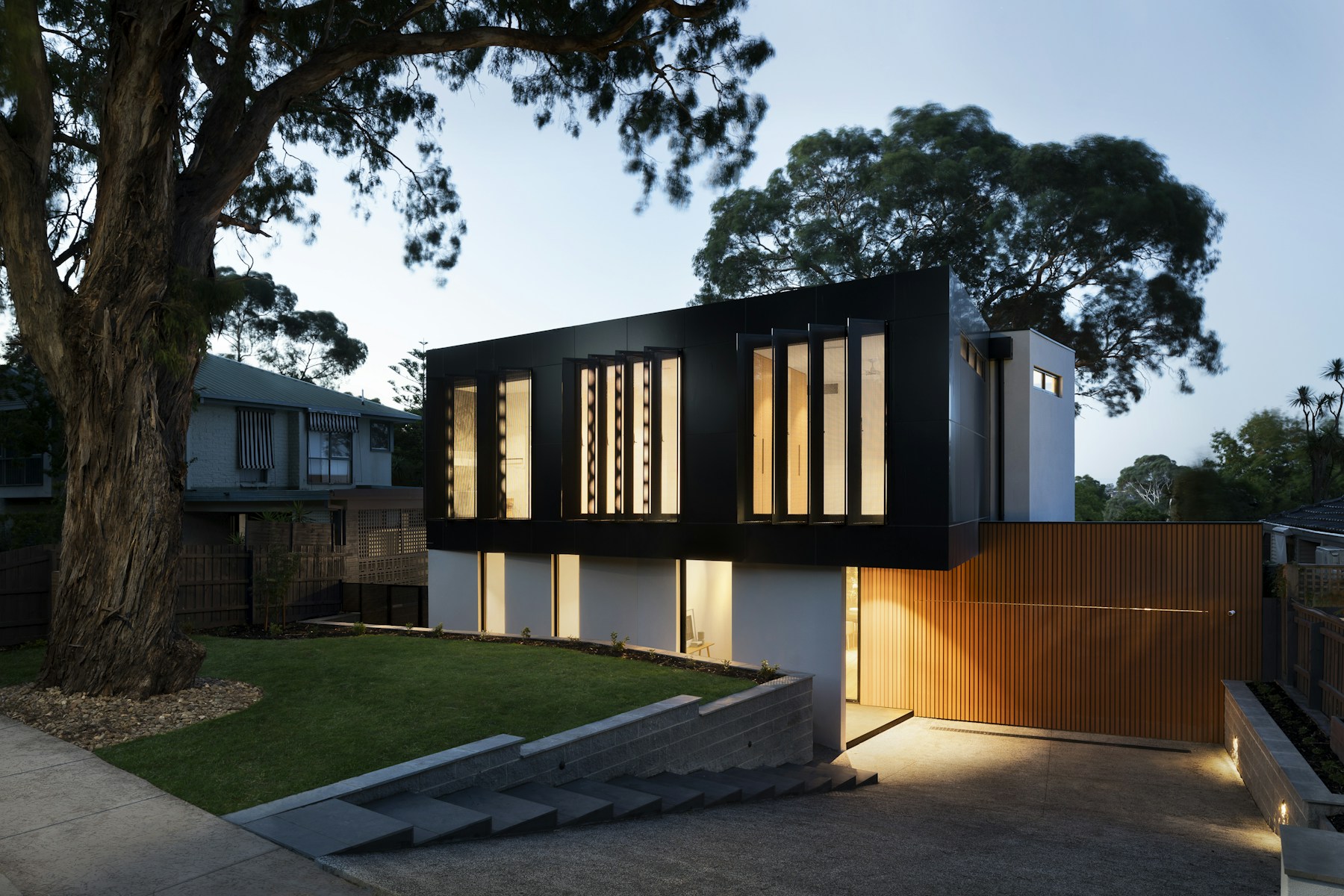
A drone photo is a specialty frame, not a listing strategy. It can show a guest something a ground-level photographer physically cannot , how close the house actually sits to the water, how the lot lines up against the neighbors, how the property reads from above on a clear morning. What it cannot do is replace the interior photography that actually books the stay: the kitchen, the primary bedroom, the bathroom a guest checks before anything else. Hosts who lead their gallery with an aerial and leave the kitchen dim have the sequence backwards.
This page is not legal advice, and it does not substitute for reading the FAA's own current rules or checking with the specific park, HOA, or municipality that governs a given property. What follows is a practical framework for deciding when an aerial is worth the flight and when it is worth leaving the drone in the car. This is not legal advice.
Aerials Are a Specialty Frame, Not the Hero Image
The hero image on a listing has one job: make a guest stop scrolling and open the listing. That job almost always belongs to a ground-level or elevated-but-not-aerial shot of the house itself , the front exterior at golden hour, the pool deck, the view from the porch a guest will actually stand on. An aerial shot, by contrast, shows a guest something they will never actually see from inside the house: a top-down view of the roofline and the lot.
That does not make the aerial useless. It makes it a supporting photo, placed a few images into the gallery, after the shots that show what a guest's actual stay looks like from eye level. A drone frame that opens the gallery is answering a question , "what does this property look like from a helicopter" , that almost no guest is actually asking before they book.
The houses where an aerial genuinely earns the lead position are rare: a property on a point of land where the water on two or three sides is the entire selling point, or a large multi-building property where no single ground photo can show how the buildings relate to each other. Outside those specific cases, treat the aerial as photo four or five, not photo one.
The FAA Is Not the Only Desk With a Say
Federal drone rules set the outer boundary of what is legal to fly, but they are not the only rule a host needs to check before sending a drone up over a rental property. National airspace permission from the FAA is not a complete brief for a specific morning at a specific address , it says nothing about whether the neighbors, the HOA, or the specific park or beach the property sits near allows a drone overhead at all.
A host flying commercially , meaning the photos are being used to market a paying stay, which almost every STR listing photo is , falls under FAA Part 107 rules for small unmanned aircraft, which require a remote pilot certificate, not just a hobbyist registration. That is a genuine compliance line, not a technicality, and it is worth confirming directly with the FAA's current guidance or a qualified aviation attorney before flying commercially, not inferring from a forum post.
Beyond the FAA, state parks, national parks, many beaches, and a large share of HOAs and condo associations have their own drone restrictions layered on top of federal airspace rules , some ban drones outright, others require a permit or advance notice. None of those local rules show up in an FAA airspace map, which is exactly why checking one desk is not the same as checking all of them.
Neighbors, HOAs, and the Beach You Did Not Check
A tight residential lot is the single most common place a drone photo shoot turns into a neighbor complaint. Courtesy is not a substitute for the actual rules governing a flight, and the rules are not a substitute for courtesy on a lot where a drone hovering at rooftop height is audible and visible from three other houses' backyards.
The math on this is simple: a marketing frame is not worth a neighbor dispute that turns into a review, an HOA complaint with photos attached, or a call to the property manager. If flying over or near a neighboring property is unavoidable to get the shot, that shot is not worth getting , find the angle that stays inside the property line, or skip the aerial entirely for that listing.
The same caution applies to nearby public land. If a beach, park, or preserve the property backs up to is unsigned in a way that still feels ambiguous about drone use, the safer read is to treat it as off-limits and shoot from ground the guest can legally stand on themselves. An aerial that required bending a rule to capture is not a photo worth having in the gallery.
When an Aerial Earns a Place in the Gallery
An aerial photo earns its slot after the interior and street-level exterior shots have already done their job. At that point, a drone frame that shows the property's actual relationship to water, a trailhead, or a shared amenity , a dock, a shared pool, a path to a beach access , gives a guest information the ground photos physically cannot, without competing with the photos that do the primary selling.
The strongest use case is proximity a guest cannot otherwise verify: how close is close, in a way a written distance in the listing description does not make visceral. A top-down frame that shows the walk from the back door to the water in one image answers that question faster than a paragraph of text.
The weakest use case is a generic overhead shot of a roof and a yard that looks like every other roof and yard on the block. If the aerial does not show something specific to that property that a guest actually cares about, it is filling a gallery slot that a better ground-level photo should occupy instead.
How This Sits Next to Twilight and Other Specialty Extras
Drone photography belongs in the same category as twilight photography and video walkthroughs: a specialty extra that supplements a complete, well-lit set of standard interior and exterior photos, not a substitute for one. A gallery that has a striking twilight exterior and an aerial but is missing a clear, bright photo of the kitchen has its priorities backwards for what actually converts a browsing guest into a booking.
The sequencing question is the same across all of these extras: does this photo answer a question the core gallery already answered, or does it answer a question the core gallery cannot? Twilight shots answer "what does the outdoor space feel like at the time of night I'd actually be using it" , a real, distinct question. A redundant aerial that just repeats the same top-down angle already shown does not.
Budget and effort should follow that same order. A host with a limited photography budget gets more booking impact from finishing a complete, well-lit standard set than from adding a drone or twilight extra on top of an incomplete one.
When to Leave the Drone in the Car
Leave the drone in the car when the answer to any of the following is unclear: whether local airspace or ordinance restrictions apply at that address, whether the HOA or condo association has a drone policy, whether the shot requires flying over a neighboring property, or whether a nearby park or protected area's drone rules are actually confirmed rather than assumed.
Also leave it in the car when the core interior and exterior photo set is not finished yet. A dramatic aerial next to a dim, cluttered kitchen photo does not read as "impressive extra" to a browsing guest , it reads as a gallery that spent its budget on the wrong shot first.
The decision rule that covers most cases: fly only when the legal and courtesy questions are already answered, and only after the photos a guest actually needs to decide are already finished and good.
The Composite Failure: A Drone Reel and a Dark Kitchen
The clearest version of this mistake is a gallery led by a dramatic drone reel or hero aerial, followed by a kitchen photo taken on an overcast afternoon with the lights off. A guest scrolling that gallery gets an impressive establishing shot and then an immediate downgrade in photo quality exactly where their attention was building toward the room that matters most for deciding to book.
That sequence is a budget-allocation problem as much as a photography problem. If the money and time spent arranging a drone flight had gone instead toward a proper lit interior shoot, the gallery as a whole would convert better, even without a single aerial frame in it.
The fix is not to abandon aerial photography , it is to finish the standard gallery first, confirm the aerial is legal and courteous to fly, and then place it several images deep as a genuine bonus rather than the opening argument for the listing.
Related Reading
More independent-host photography and video reading already live on Crest & Cove.
Frequently Asked Questions
Do I need a special license to fly a drone for my own STR listing photos?
If the photos are being used to market a paid stay, that use is commercial under FAA rules, which generally requires a Part 107 remote pilot certificate rather than a hobbyist registration. This is a real compliance line, not a suggestion, and it is worth confirming directly against the FAA's current guidance or with a qualified aviation attorney rather than assuming a personal drone registration covers marketing use.
Should my listing's hero image be a drone photo?
Usually not. The hero image's job is to make a guest stop scrolling and open the listing, and a ground-level or elevated exterior shot at golden hour almost always does that better than a top-down aerial. Save the aerial for a few photos into the gallery, after the shots that show the property the way a guest will actually experience it — unless the property sits on a point of land where the water on multiple sides genuinely is the selling point.
Does getting FAA clearance mean I'm cleared to fly a drone anywhere on my property?
No. FAA airspace rules set the federal baseline, but HOAs, condo associations, state and national parks, and many beaches layer their own drone restrictions on top — and none of those show up on an FAA airspace map. Checking federal rules alone is not the same as checking every desk that actually governs a specific address, which is why local confirmation matters as much as the national one.
What if getting the aerial shot I want requires flying over a neighbor's yard?
Don't take that shot. A marketing frame is not worth a neighbor complaint that turns into a bad review, an HOA violation, or an ongoing dispute with the people living next door. Find an angle that stays inside the property line, or skip the aerial for that listing entirely — the downside of a neighbor conflict outweighs the upside of one extra photo.
Is a drone video walkthrough more effective than still aerial photos?
It depends on whether the standard interior and exterior gallery is already complete and well-lit. A video walkthrough or aerial reel is a specialty extra in the same category as twilight photography — it supplements a finished core gallery, it does not replace one. A polished video next to a dim, incomplete photo set will not convert better than a complete photo set with no video at all.
How do I know if a nearby park or beach allows drone photography?
Check directly with that park, beach, or preserve's own posted rules or managing authority rather than assuming national airspace permission covers it. If the signage or policy is ambiguous or you cannot get a clear answer, the safer choice is to treat the area as off-limits and shoot from ground a guest could legally stand on themselves.
My gallery already has a great aerial shot — what should I fix first?
Check what comes right after it. The most common version of this mistake is a striking aerial followed immediately by a dim or cluttered interior photo, especially the kitchen. If that describes your gallery, the fix is not to remove the aerial — it's to finish or reshoot the interior set so the quality doesn't drop the moment a guest scrolls past the drone shot.
Are twilight photos and drone photos interchangeable specialty extras?
No — they answer different questions. A twilight shot shows what the outdoor living space feels like at the time of evening a guest would actually be using it, which a daytime photo cannot show. A drone shot shows spatial relationships — proximity to water, a trailhead, or a shared amenity — that ground photos cannot show. Use whichever one answers a question your specific property actually raises, not both by default.
What's the single most common mistake hosts make with drone photography?
Sequencing it first instead of last. Hosts often invest in a drone shoot before the core interior and exterior gallery is complete, which leaves a dramatic opening image followed by weaker standard photos. The photos that actually decide a booking — kitchen, primary bedroom, bathroom, and a clear exterior shot — should always be finished and strong before a specialty aerial or twilight extra gets added on top.
Who should I ask if I'm not sure whether a drone flight is legal at my property?
For federal airspace and licensing questions, the FAA's current published guidance or a qualified aviation attorney. For local restrictions, the specific HOA, condo board, municipality, or park authority that governs the property or the adjacent land. This page is not legal advice, and drone regulation changes over time, so confirm current rules with those specific sources before a flight rather than relying on a general framework like this one.
Work with Crest & Cove Creative
Hosts keep leading their gallery with a drone shot and leaving the kitchen dark, which answers a question almost no guest asked while skipping the one that actually books the stay. An aerial is a specialty frame, not a hero.
Work with Crest & Cove Creative to sequence your gallery so the photos that actually convert come first and the specialty extras earn their place after. Start at crestcove.co/audit or call (256) 998-7502 and bring your current photo set for a straight read on what to reshoot, reorder, or leave out.
Reach out at crestcove.co or (256) 998-7502.


Comments