
Vacation Rental Photography System for Independent Hosts

Updated: Aug 27
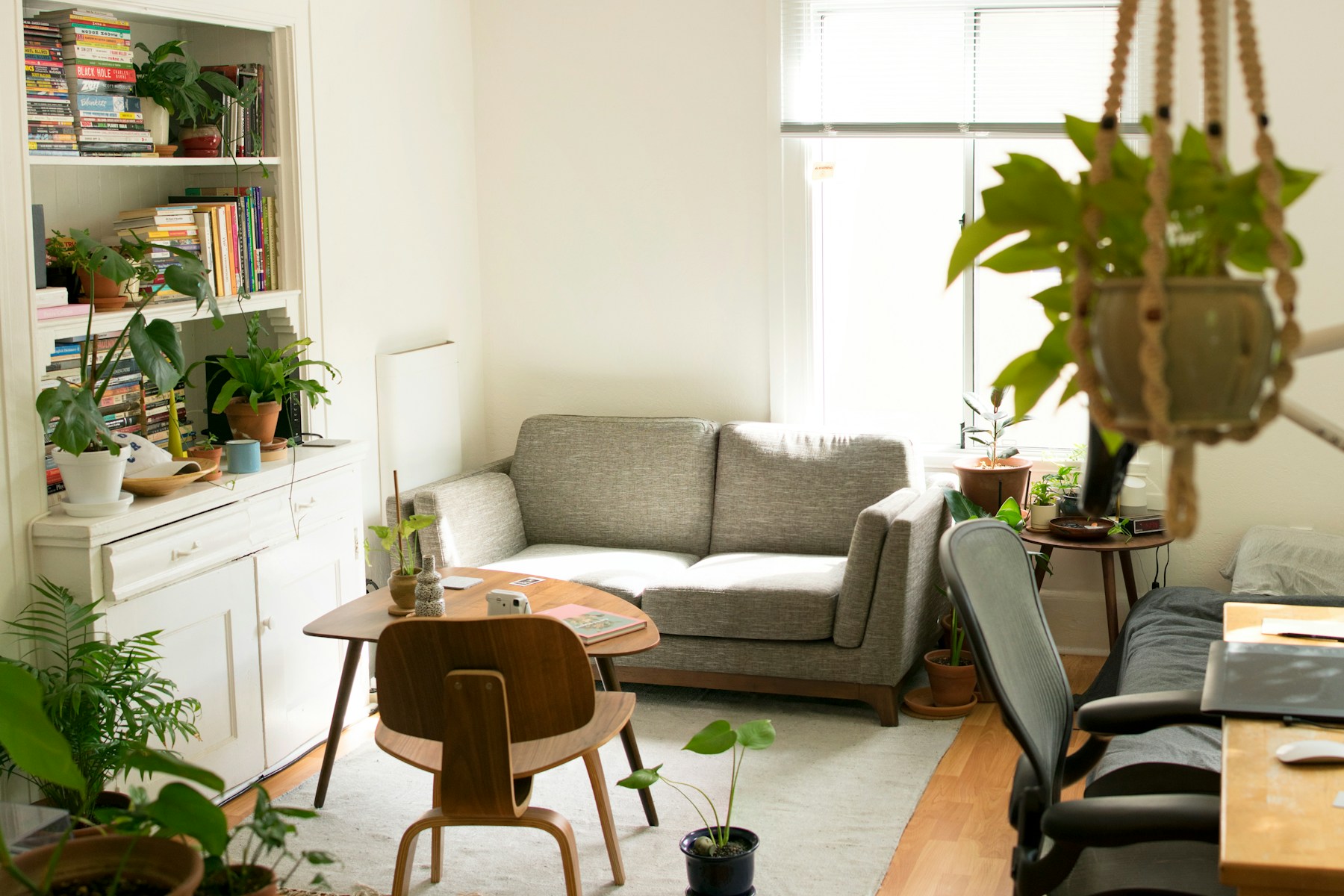
Independent hosts do not have a camera problem so much as they have a set problem. Threads sell a lens, a golden-hour kit, and a leftover dusk kitchen that looked warm on the card. Guests buy a stay. Airbnb’s Help Center treats photos and videos as media that can improve engagement, which can improve ranking, and it names a floor of 1024 by 683 with the first five on the cover. None of that is a permission slip to invent a lift percentage. None of that forgives a search image the guest will not get on Saturday. The set is the product a guest will meet.
This essay is a photography-system file, not a gear review and not a remake of cover-five order. Crest & Cove will not invent occupancy from twilight. We will not print a ranking weight for a lifestyle frame. Photography is marketing when the object is the stay a stranger can believe: arrival, rooms, light, and the constraint that still exists after checkout. Property management is still the turn and the lock. Channel tools still sync rates. Those jobs spend different weeks. If a sales page started with a camera brand and never opened the stair in frame, start over with the house, not with the kit list.
The rest of this cluster keeps one creative object per post.Shot lists by property typerefuse a luxury template on a three-room cabin.Staging for the cameraclears clutter without inventing a second house.Twilight, lifestyle, and detailare extras after daylight tells the truth.Video walkthroughsare tours, not brand reels. Editing, seasonal reshoot, DIY versus pro, deliverables, asset distribution, phone-only days, 3D tours, and drone frames sit later. If someone already quoted you a package menu, keep reading until the set is the object again.
The tension is the set, not a camera brand
The tension most owners feel is not “which body shoots Airbnb.” It is “I can see the listing losing the scroll, I can see a neighbor’s warmer kitchen, and I cannot tell whether the next morning should be a truer first frame, a cleaner counter, a constraint shot, or nothing.” Gear culture flattens that into a purchase because purchases are easy to sell. A lens chart is easy to screenshot. The work that actually changes how a stranger believes the house is slower: daylight that matches arrival, rooms that match the beds, and the stair, the parking, or the walk the guest will meet. None of that requires a conspiracy about algorithms. None of that is finished when you buy a light.
Hosts get this wrong in both directions. One owner treats every photo tip as vanity and then starves the listing of the one craft that would have changed the search image. Another owner treats every tip as progress and then stacks twilight, a lifestyle session, a drone reel, and a leftover phone dump on a house that still hides the driveway. Both are gear thinking. The honest middle is less cinematic. You name the stay. You name the week the shoot will consume. You pick one guest-facing change you can finish. You wait long enough to see inquiry quality and review language move. If you cannot wait, you do not have a photography problem. You have an anxiety problem wearing a contact sheet, and the next purchase will not fix the anxiety.
Marketing hours, management hours, and plumbing hours still own different weeks even when the topic is media. Marketing is being found and believed: photography that tells the truth, listing copy that names the constraint, reviews you earned, and a reply habit that does not let requests expire. Property management is labor and liability: the turn, the lock, the neighbor, the restock. Channel plumbing syncs calendars and rates so you do not double-book a Friday. Photography does not become one smiling company because a freelancer bundled those jobs into one invoice. Crest & Cove is a marketing partner. We shoot the stay. We will not staff Saturday. We will not sell a channel manager as a brand. We will not invent occupancy to make a dusk kitchen feel scientific when the stair is still missing.
An useful test is whether the next morning would change a decision a guest has not yet made. First-time shoppers still start inside an OTA grid. They compare pillows, maps, and reviews inside a product they already trust. Your leftover kit receipt does not appear in that grid. Your first image does. Your open dates do. Your house rules do. That is why this cluster sequences the set before the specialty frame. If the page is weak, a twilight session inherits the weakness and adds a maintenance bill. Fix the set a stranger already sees on a phone with a real date. Then decide whether lifestyle, video, or aerials have a job the daylight kitchen cannot do without lying about the walk, the stair, or the parking the guest will meet.
Honesty versus a showhouse the guest will not get
A showhouse is a set that photographs a life nobody will live in the booking window. Staged florals that leave with the shooter. Every lamp on at noon to hide a shared wall. A lake frame that implies private water from a public pier. Toys erased so hard the house looks sterile and then reviews mention the toys anyway. Honesty is not ugliness and not a war on beauty. Honesty is the stay. Soft beds, clean floors, readable space, and the real walk to the water still convert. They also survive the review that quality systems will read after checkout.
Overstaging is a marketing debt with interest. The guest arrives to a smaller, darker, louder house than the hero sold in eight seconds. Communication and accuracy take the hit. Wishlist hearts that came from the fantasy do not protect you when the stay fails. Airbnb’s search language already treats great media as something that can improve engagement. Engagement without arrival is a short click and a long correction in public language. Thelisting auditis the stranger pass for that match. Run it with a date and a headcount before you book another morning that only polishes fiction. If the audit fails on the stair, the parking, or a room that is not on the booking, the shoot is not ready.
When you are tempted to crop out a shared wall or a stair, put the stair in an early frame instead and write the rule in plain language. Guests who need step-free access will filter themselves before they message. Guests who can handle stairs will stop asking the same inbox question every week. Time cost falls for you. Review language softens because the surprise is gone. That is conversion without a fake lift percentage. If a partner only sells glow and never sells the constraint in frame, you hired a showhouse. Hire the stay you can staff with the cleaner you actually have, and put the parking story in the set the same way you put the beds.
Honesty also means matching the season on the calendar a guest can still book. A lush porch that becomes stacked furniture in September is no longer cover-true. A primary bedroom that became an office is no longer cover-true. You do not need a brand reason to move or replace frames. You need a match between the set and the dates you will take. The later seasonal-reshoot essay owns the year-shaped question. This flagship only needs the rule: the guest who arrives teaches the next shopper in public language. Photograph the Saturday you can keep, not the Saturday you wish you had leased, and do not leave last summer’s porch on a January booking window.
What a photography system actually includes
A photography system is not a single morning and not a gallery link that expires. It is the set of decisions that keep the listing true across the year: what to shoot, how to stage without fiction, which specialty frames earn a place after daylight, whether video has a tour job, how to edit without inventing a lawn, when to reshoot, what files you still own on Tuesday, and how those files travel to the OTA, the site, and the page a guest will quote. Each sibling post owns one of those objects. This flagship names the system so you stop buying pieces out of order.
Start with the stay, not with the kit. Arrival, primary living, sleep, wash, cook, gather, outside if the outside is part of the product, and the one constraint that will not be a surprise at night. That list changes shape by inventory class. It does not change the truth test. A cabin, a condo, a whole home, and an unique stay all fail the same way when the hero sells a different Saturday than the key opens. The shot-list sibling is the next desk when the house type is the question. Keep this section at the system level: the set must introduce the product before specialty frames decorate it, and the files must still open after the shooter leaves the driveway.
Prep is part of the system and already has a live home. Access, light, cleared counters, named doors, and the constraint in frame live on thephotoshoot-prep essay. Do not rewrite that kickoff here. Link it the week before you shoot so owner control is settled before anyone lifts a camera. Order on the marketplace page already has a live home too. Airbnb’s photo guidance puts the first five on the cover and uses the first as the large search image. Thephoto-order essayowns that sequence. This cluster owns the set you hand to that sequence, not a second lecture on which five win the cover after the files exist.
Deliverables close the system. Selects you can open, web sizes that meet the floor, a cover-ready five, and rights that do not vanish when a freelancer changes platforms. A gallery you cannot download is not a handoff. The laterdeliverables essayowns that desk in detail. For this flagship, remember only that a photography system fails if the files leave with the shooter or sit trapped behind a login you will lose. Own the set the way you own the lock code, and write the handoff date on a card so Tuesday still has a drive you can open without emailing a stranger.
Inventory class changes the shot list, not the truth test
A three-room cabin does not need a forty-frame luxury list. A downtown condo does not need a driveway hero it does not have. An unique stay with a loft bed or a treehouse stair has one frame that must not lie, and that frame is often the constraint. Inventory class changes which rooms earn scarce slots. It does not change whether the guest who arrives will teach the next shopper. Photograph the house you have. Stop borrowing a template written for a different product and then wondering why the set feels like someone else’s brochure with your address pasted on.
Cabins and houses usually need arrival, the strongest shared space, primary sleep, kitchen proof, and the outside if the outside is why people book. Condos and apartments need what the door actually opens onto: the entry the guest will use, the view or the wall that is real, the shared amenity only if the amenity is on the booking, and the parking story without inventing a private lot. Unique stays need the one frame that names the experience without hiding the ladder, the loft height, or the bath that is down a hall. The sibling shot-list post walks those lists in order. The system rule is shorter: class shapes the list, honesty grades the list, and a borrowed luxury template hides the stay you can actually staff.
Competitors on your pin already teach the market what a finished set looks like. That does not mean you clone their glow. It means you notice whether the grid next to you shows daylight kitchens and honest exteriors while your listing still leads with a phone vertical from last year’s dusk. TheDIY versus pro essayowns the hire decision when the market already photographs like one and your archive cannot keep up. This flagship only asks whether your inventory class has a true introduction in the first frames a stranger will see on a phone with a real date attached before you buy another specialty morning.
When the house itself should not be marketed yet, waiting is still a professional week. A renovation half done, a sofa that will leave next month, or a permit question that blocks lawful stays are not photography problems. They are product problems. Do not buy a shoot to paper over a product you cannot deliver. The truth test includes whether the stay exists, whether the cleaner can match the contact sheet, and whether the calendar you published still matches the rooms in the set. Photography after a false start only trains you to blame the grid for a product that was not ready to be seen.
Host-real metrics for a shoot
Bookings quality after a shoot is not a night count. It is whether the people who booked could live in the house they clicked. A stay that arrives with the wrong expectation about stairs, parking, or the size of the second bedroom is not a win you should feed a photography dashboard. Quality shows up in the inquiry questions, in the cancellations clearer pages would have prevented, and in whether the guest who stayed would be welcome again without a surprise apology. Marketing owns the set that sets that expectation. Management owns the stay that keeps it. A vendor who only reports booked nights after a twilight session is reporting a pile, not a photography result you can trust next season.
Reviews are conversion language, not a trophy wall. A new review that names the driveway, the walk to the water, or the honest size of the bunk room does more work than a stale average with no sentences. Velocity matters because a listing that goes quiet looks abandoned even when the house is fine. Language matters because the next shopper reads the last three notes as the truth you would not write. You are watching whether guests teach you facts you hid, and whether your replies sound like a person. You are not watching a score you can game with a warmer sky. Photography work that never changes review language did not finish.
Time is the metric hosts skip because it does not screenshot well. Every specialty add-on, every leftover lifestyle session, every drone morning, and every “just one more” retouch round consumes Tuesday hours. Those hours are taken from the turn, from the reply, or from the sleep that keeps you from writing a bitter message at midnight. A specialty set that looks free and costs a week of cleanup is not free. A quieter daylight set that returns those hours can be rational even when we refuse to invent a percentage. Write the hours down. If you cannot name who will keep the rooms true on Saturday, you are buying a second neglected listing.
Thirty days can show whether inquiries started asking better questions and whether the stranger test on a phone still matches the stay. Ninety days can show whether review language named the constraint you finally put in frame, and whether the time cost was a spike or a new job. Attribution will stay incomplete. A booking after a photo set is not proof the photo set caused the booking. A quiet week after you swapped the hero is not proof the old set was working either. Messy attribution is expected. Fake precision is not. The livephotography ROI essayalready refuses invented lifts. Use that clock when you change the set. Leave the occupancy myth in the thread where you found it, and keep your own notes on what actually moved.
A composite: a dusk kitchen that hid the stairs
This is a composite. It is not a named client and not a case study with invented bookings. Imagine one hillside house under an owner who lives three hours away. The first image is a kitchen after dark because the under-cabinet lights looked warm on the card. The stair to the primary suite never appears in the first ten frames. Reviews are fine and thin. Last spring a shooter sold a “luxury feel” morning: every lamp on, florals on the island, and a dusk exterior that made the drive look flat. Nothing about the stair moved. The owner now wants either more glow or a confession that the market is unfair to independents.
What happens next is predictable without inventing occupancy. Shoppers who click still bounce when a later frame shows the pitch of the stair. One guest books anyway, arrives with a roller bag, and teaches the next shopper in a review. Inquiries fill with the same accessibility question the set never answered. The owner spends a week blaming search and asking about badges as if a badge could repair a thumbnail. The house is the same house. The hours are worse. The login is now full of warm files that still fail the stranger test on a phone with a real date and a real headcount, and the cleaner still cannot match the florals that left with the shooter.
The useful lesson is sequencing, not a morality play about florals. This listing needed daylight that matched arrival, a stair in an early frame, and a cover that introduced sleep and gather without hiding the walk. That is photography work on the listing. It is maybe a cleaner who can keep Saturday true. It is not a second twilight session. It is not a drone reel. The leftover glow should be closed, labeled as tuition, and left out of the next decision. If the owner still wants help after the first frames are honest, measure thirty days of inquiry quality and review language, then ninety days of bookings quality and time cost. They still will not get a clean percentage. They will get a house that can survive a click.
If you recognize yourself in the dusk kitchen that hid the stairs, stop the next specialty purchase until the objects have names. Write down who owns the shot list, who owns staging, who owns the constraint frame, and who owns the files on Tuesday. If those names are blank, you are not ready for lifestyle theater. If the first image is still a warm kitchen that denies the stair, you are not ready for a ranking conversation either. Open the live listing as a stranger before you buy another morning. Then come back to the sibling posts when you need a list, a staging rule, or a walkthrough. A system is what you keep after you admit the glow was not the work and the set still has a job.
Stop doing these five things
Stop buying a camera brand story when the set still hides the stay. A lens chart is not a week. The guest still lands on the first photo, the rooms, and the constraint. If those fail, the gear thread was theater wearing a contact sheet. Photography work that starts with the house will look slower in a group chat. It will also still have a Tuesday left for the turn. Write down what a shopper would believe in the first eight seconds, then decide whether you even need a specialty frame. Most houses need a truer daylight set that names the walk, not a warmer introduction to a myth about glass and golden hour.
Stop staging a showhouse the booking cannot deliver on the dates in the calendar. Flowers that leave with the shooter, private-water implications from a public pier, lamps that hide a shared wall: those are review machines with a pretty first week. Photograph the stay you can staff on Saturday with the cleaner you actually have. Put the stair in frame early. Write the walk to the lake in the copy next to the proof. Honesty converts the right guest and protects the quality language search systems already watch. Glow without arrival is a short click and a long correction in public language the next shopper will read before they message.
Stop treating twilight, lifestyle, drone, and video as the search hero before daylight tells the truth. Specialty frames are extras. They earn a place after the kitchen, the beds, and the arrival are honest. A twenty-frame dusk set with no daytime cook space is a pile, not a system. Read the specialty and video siblings when those objects are real questions for your house. Until then, finish the stay in daylight that matches how a guest will walk in with luggage. Sequence is the model. The stack is the anxiety that keeps buying mornings without fixing frame one.
Stop uploading a contact sheet as finished marketing until order, floor size, and the constraint are done on the live page. Airbnb’s photo floor is still 1024 by 683. Soft verticals that fail the grid are not a style choice. Reorder with the photo-order essay when the archive already has truth and the cover is simply wrong. Reshoot when the archive cannot tell the truth for the season on the calendar. Do not confuse a gallery link with a finished marketplace page a stranger can trust on a phone while comparing neighbors.
Stop hiring one smiling generalist to be photographer, co-host, and channel plumber that way. Those jobs own different weeks. The person who can turn the house is rarely the person who should write your local nouns. The person who can sync two calendars is rarely the person who should decide whether the first image is a lie. After a bad glow week, the boring work is still the work. Make the set truer. Keep the reply staffed. Keep the calendar honest. Then stop refreshing forum tabs like they are a ticker for your listing. The mix will still be there on Monday, and it will still be a three-job mix that photography alone cannot absorb.
What to read next in this cluster
Read in the order of the object you actually have, not in the order a thread prefers. If the house type is unclear, start with the shot-list sibling already linked above. If the counters are fiction, read the staging sibling. If someone is selling dusk before daylight, read twilight and detail. If the bathroom never appears in motion, read the video walkthrough. You should be able to finish those and still choose to do nothing extra this season. That is what an honest photography system costs us in the sales sense, and it is the point of refusing a package menu as the spine of the week. A finished daylight set beats an unfinished specialty stack every time.
The later posts keep one object each.Trust-safe editingrefuses a cloned lawn over a parking lot. Seasonal reshoot waits for a stay that changed, not a calendar ping. DIY versus pro decides the morning without a moral lecture. Deliverables and asset distribution keep files you can open and reuse without inventing a second house for ads. Phone-only days, 3D tours and floor plans, and drone frames answer the three questions hosts still ask after a rank brief. None of those files invent a ranking weight or an occupancy lift. Each one returns you to the set a guest already sees before the specialty pitch begins.
Two live files outside this cluster are useful and should not be remeshed into it. The photo-order essay owns cover-five sequence on the marketplace. The photoshoot-prep essay owns owner control the morning before anyone lifts a camera. Use those files, then come back here and name your own week: list, stage, shoot, edit, hand off. Leave the gear myth in the thread where it belongs. A quieter listing that tells the truth will outlast a louder listing that needs glow to explain the bounce. Name the week. Then do the week. If the first frame still fails a stranger on a phone, the specialty thread can wait another month without costing you the season.
If this section is still a general lecture, we will tie vacation Rental Photography System for Independent Hosts to the listing you actually run — not a template from another house. Reach out at crestcove.co or call (256) 998-7502. The rest of this cluster keeps one creative object per post.Shot lists by property typerefuse a luxury template on a three-room cabin.Staging for the cameraclears clutter without inventing a second house.Twilight, lifestyle, and detailare extras after daylight tells the truth.Video walkthroughsare tours, not brand reels.
Frequently Asked Questions
What is a vacation rental photography system for independent hosts?
A photography system is the set of decisions that keep the listing true across the year: what to shoot, how to stage without fiction, which specialty frames earn a place after daylight, whether video has a tour job, how to edit without inventing a lawn, when to reshoot, what files you still own on Tuesday, and how those files travel to the OTA and the site. It is not a camera brand and not a single gallery link. Inventory class changes the shot list.
Should I buy new camera gear before I reshoot my Airbnb listing?
Guests buy a stay, not a body. Start with daylight that matches arrival, rooms that match the beds, and the constraint the guest will meet. Soft verticals and a dusk kitchen fail the stranger test even on expensive glass. A current phone can finish a truthful landscape set when the house can take one. Hire craft when the market already photographs like one and your archive cannot tell the truth. Gear without a shot list is theater.
How is vacation rental photography different from property management?
Photography on the listing is marketing: a set a stranger can believe, copy that names the constraint, and files you can still open on Tuesday. Property management is labor and liability: the turn, the lock, the neighbor, the restock. Channel tools sync calendars and rates so you do not double-book. Those jobs spend different weeks. Crest & Cove is a marketing partner. We will not staff Saturday or sell a channel manager as a brand. Ask which hours a vendor is taking before you buy glow.
What should I photograph first if my listing is losing the scroll?
Start with a true introduction to the stay: arrival or primary living, sleep, kitchen or gather proof, and the one constraint that will not be a surprise at night. Meet Airbnb’s floor of 1024 by 683. Put honest frames in the cover before twilight, lifestyle, or drone extras. Link the photo-order essay when cover sequence is the question. Do not stack specialty mornings while the stair is still missing. One finished guest-facing set beats a pile of warm files.
Do better photos guarantee higher Airbnb ranking?
Airbnb says great media can improve engagement, which can improve ranking. That is not a percentage, not a weight table, and not a reason to invent occupancy from twilight. Quality is one influence among others. A showhouse that fails on arrival will teach the next shopper in a review. Watch inquiry quality, review language, and time cost after a shoot. Make the set true enough to survive Saturday.
When should I skip a photoshoot entirely?
Skip when the product is not ready: renovation half done, furniture that will leave next month, or a lawful-stay question that still blocks booking. Waiting is a professional week. Photography cannot paper over a house you cannot deliver. Also skip specialty add-ons when daylight still lies. Read the when-not-to-market essay when the gate is the house itself, not the contact sheet.
Where should I put the stair or parking constraint in my photo set?
Put the constraint in an early frame, not buried after ten sofa angles. Guests who need step-free access will filter themselves. Guests who can handle stairs will stop repeating the same inbox question. Write the rule in plain language next to the proof. Cropping the stair out of the hero is a short click and a long review. Honesty converts the right guest. Glow that hides access is a marketing debt.
What will Crest & Cove refuse to do on vacation rental photography?
If this section is still a general lecture, we will tie vacation Rental Photography System for Independent Hosts to the listing you actually run — not a template from another house. Reach out at crestcove.co or call (256) 998-7502. For this flagship, remember only that a photography system fails if the files leave with the shooter or sit trapped behind a login you will lose.
Related Reading
More independent-host photography and video reading already live on Crest & Cove.
Work with Crest & Cove Creative
Stop publishing copy a guest cannot verify on this listing.
Bring the current listing and the page that is supposed to do this job. We will rewrite vacation Rental Photography System for Independent Hosts so it matches what is actually true on the tile. Reach out at crestcove.co or (256) 998-7502.


Comments