
Staging a Vacation Rental for the Camera, Not Fiction

Updated: Aug 27
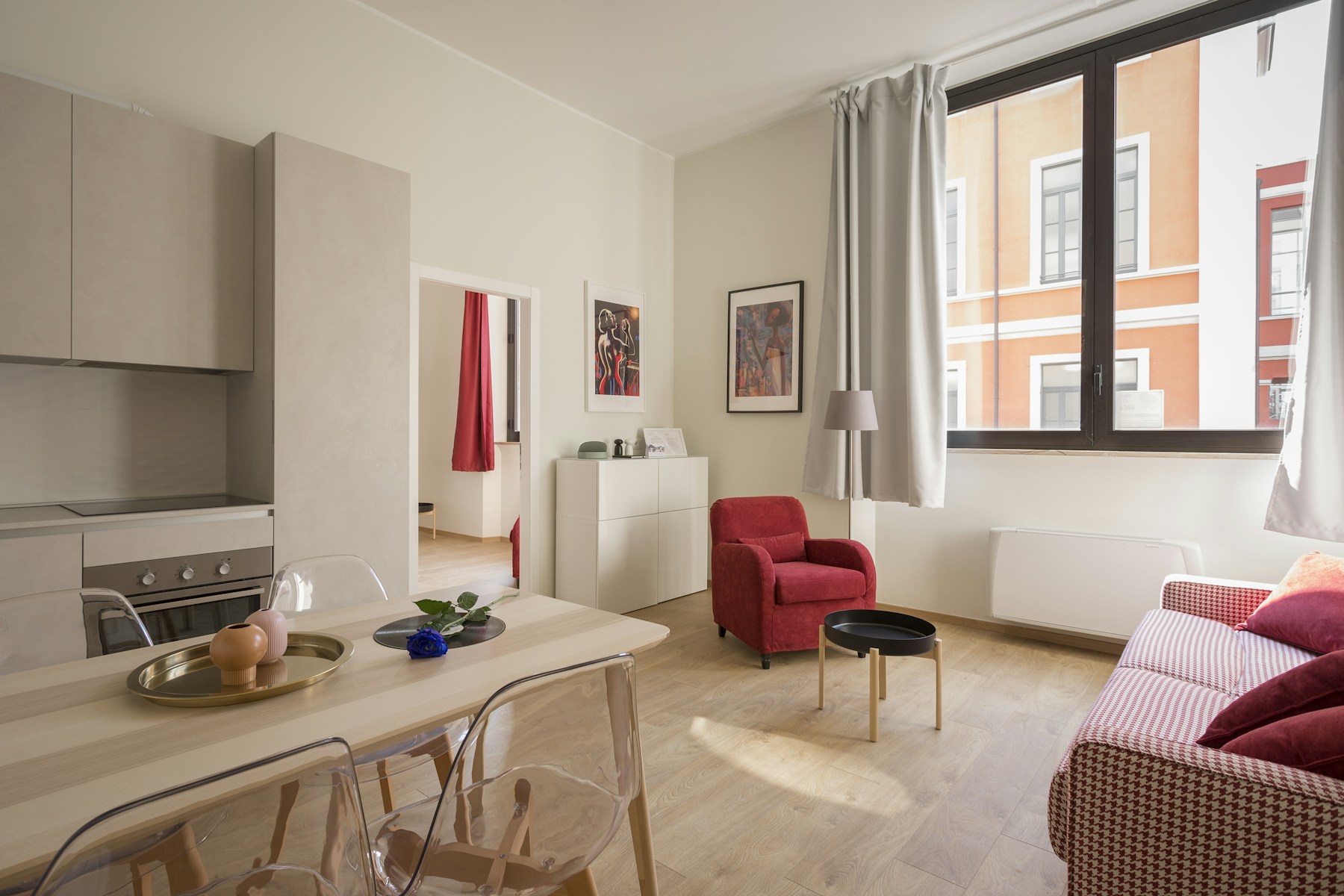
Staging for a vacation rental camera is not a magazine assignment. Independent hosts clear every personal object, add florals that leave with the shooter, and then wonder why the guest who arrives teaches the next shopper about the dishwasher, the toys, or the stair that never made the set. The camera meets the stay. Flowers are not a second house. Throw pillows are not a second dishwasher. If the booking cannot keep the scene on Saturday with the cleaner you actually have, the scene is fiction wearing a clean counter and a borrowed vase.
This essay owns staging honesty, not the shot list spine and not the cover-five sequence on the marketplace. Crest & Cove will not invent a conversion lift from citrus on an island. We will not sell a showhouse the cleaner cannot match on turnover Friday. The object is what to clear, what to leave, what to hide only when it is truly temporary clutter, and when to stop rearranging and shoot. Prep for access and light already lives on the photoshoot-prep essay. Link that file the week before. Do not rewrite the kickoff form here as if staging were the same desk.
Read this when you are about to empty the house into a brochure the guest will not get after they pay. What follows is staging for the camera the guest will meet, clear versus leave versus hide, why pillows are not a second house, access and light with the stair still present, a labeled composite of a magazine island, how this sits next to prep, when to stop staging and shoot, and five habits to stop before the light budget dies.
Staging is for the camera the guest will meet
Staging succeeds when the rooms look like a stay someone can live in on the dates in the calendar you published. Soft beds, clear floors, readable counters, and the real path through the house convert the right guest. Sterile empty shelves, every lamp blazing at noon to hide a shared wall, and florals that vanish before check-in convert a fantasy with a short shelf life. The guest arrives to a smaller, darker, louder house than the hero sold in eight seconds. Reviews teach the next shopper in public language. That is the honesty test this cluster keeps repeating without inventing a score lift.
The camera is not a courtroom and not a fashion set. It is a product shot for a night someone will sleep here with a real headcount. Put the stay in frame. Leave the dishwasher visible if the dishwasher is how the house works after dinner. Leave the high chair if families book and the chair stays between turns. Leave the stair in an early angle if the stair is how people reach the primary suite with bags. Staging that erases the product to chase glow is marketing debt with interest. Staging that reveals the product with clean light is marketing work you can keep.
Match the season and the furniture the guest will get when they unlock the door. Stacked porch chairs in September should not sit behind a lush midsummer hero if winter dates are still open on the calendar. A primary bedroom that became an office should not keep the bed in the set as if nothing moved. You do not need a brand reason to restage when the stay moved. You need a match between the contact sheet and Saturday. The photography-system flagship already named the set as the product. Staging is how the set stays true before anyone lifts a camera or opens a prop trunk.
What to clear, what to leave, what to hide
Clear what hides the room without inventing a different life for the booking window. Trash, mail piles, toiletry chaos, tangled cords, and laundry baskets belong out of frame on shoot morning. Personal papers and medications belong out of frame. Dirty dishes belong out of frame. That is hygiene and readability, not fiction. Guests expect a turned house when they arrive. They do not expect a showroom that denies how the kitchen works when twelve people cook on a holiday weekend and need the dishwasher.
Leave what proves the house is usable by the people who paid. Dishes in open shelves that guests will use should stay visible. A coffee maker that stays between turns should stay visible. Towels folded the way the cleaner folds them should stay visible. The crib or pack-and-play should stay if it is part of the booking and will be there. The stair, the hallway width, and the parking view from the door should stay when those facts answer the inquiries you already dread. Leaving proof is not clutter. Erasing proof is how you buy the same inbox question every week after the set goes live.
Hide only what is truly temporary and not part of the product a guest will meet. A contractor’s ladder from an one-day repair can leave the frame. A seasonal decoration that will be gone before the booking window can leave if the calendar matches that story. Do not hide a permanent shared wall, a permanent stair, or a permanent parking constraint behind a plant and call the morning done. Hide is a narrow tool. Clear and leave do most of the honest work. If you are unsure, put the object in the shot list conversation instead of behind a vase that will not survive Friday.
Flowers and throw pillows are not a second house
Props are seasoning, not the meal, and seasoning that leaves with the shooter was never on the menu. A single vase can soften a counter without lying. Twenty florals that leave with the shooter invent a house the cleaner cannot restock between turns. Throw pillows can show color on a sofa people will sit on. A pillow wall that disappears before Friday invents a living room the guest will not get after they paid. Lifestyle props work when they survive the turn. They fail when they are a rental from the shoot morning wearing your address.
Over-propping is often a fear response dressed as taste. Owners worry the kitchen looks plain, so they bury the dishwasher under a farmhouse board and citrus from the market. Guests who cook still need the dishwasher after dinner. Owners worry the living room looks small, so they flood it with textures that will not be there at check-in. Guests who sit still need the real volume and the real seats. Softness is allowed. Substitution of appliances and access is not. If the amenity is the dishwasher, show the dishwasher. If the amenity is the sofa, show the sofa people will sit on without a prop forest.
When a partner arrives with a prop trunk larger than your linen closet, ask what stays after they leave the driveway. If the answer is nothing, you are buying an one-morning magazine that will not match Saturday. Ask whether the cleaner can match the contact sheet without a second shopping trip and a second budget. If the answer is no, restage toward the turn you actually staff with the linen you already own. The listing audit will catch the mismatch later as a stranger with a date. Catch it before the upload while the vases are still on the island and easy to remove.
Access, light, and the stair you still have
Staging includes access through the house a guest will walk. Locked rooms on the booking, blocked halls, and a stair hidden behind a decorative screen are not styling choices. They are omissions that become reviews. Open the rooms on the reservation. Light them with daylight that matches arrival when you can. Use lamps honestly when daylight is gone, not as a trick to erase a shared wall that will still be there at 4 p.m. The stair you still have must still appear if guests will climb it with bags. Cropping the stair out of every wide frame is a decision guests will reverse in public language.
Light is part of honesty and part of Saturday. Noon lamps in every corner can make a basement feel like noon somewhere else for the card. Guests who arrive at 4 p.m. will meet the real light and know they were sold a different hour. Soft daylight through clean windows usually beats a lamp forest. If a room is dark, say so with a true frame and honest copy rather than blasting every bulb and calling it southern exposure. The later editing essay will refuse a sky that was never there. Staging should refuse a sun that was never in the room before the shutter opens.
Parking and entry are staging problems too, not only copy problems. If trash cans block the path on shoot morning, move them before the arrival frame. If a seasonal wreath implies a holiday the calendar does not sell, remove it. If the only wide living angle hides the stair, take a second angle that includes it even if the composition is less flattering on a laptop gallery. Flattery that fails on arrival is expensive in refunds of trust. A slightly plainer frame that names the walk is cheaper than the review that teaches the next week of shoppers.
A composite: a magazine island with no dishwasher
This is a composite. Imagine a whole-home listing whose owners staged the kitchen like a cookbook cover for a morning shoot. The island held a cutting board, three vases, stacked cookbooks, and a bowl of citrus from the market. The dishwasher was fully blocked from every wide angle. The stair to the bedrooms sat behind a decorative screen someone called flow. The shooter loved the glow on the card. The cover five led with the island. Guests who cook booked for a long weekend with a full house and a grocery plan.
On arrival the citrus was gone, the vases were gone, and the dishwasher was the first appliance anyone needed after the first meal. The screen was gone too, and the stair was steeper than anyone expected from the set they trusted. One review named both surprises in plain sentences. Inquiries for the next month repeated the same two questions the staging had refused to answer with a frame. The owners wanted a retouch to warm the kitchen further as if color were the issue. The kitchen did not need warmth. It needed the dishwasher and the stair in frame before the next upload.
The useful lesson is narrow and operational. Props that leave are fiction. Screens that hide access are fiction. A magazine island that denies how the house works will teach the next shopper in public language you cannot edit away. Restage toward the turn. Put the appliance in the hero if cooking is the amenity you sell. Put the stair in an early frame if sleep is upstairs. Then shoot. Then stop shopping for more citrus while the light is still usable for rooms that matter.
How this sits next to the photoshoot-prep file
Prep owns owner control the morning before the camera: access, keys, light plans, who will be on site, and what must be ready before the first frame. Staging owns what the rooms look like when that morning begins and whether the stay is still visible. They touch and they are not the same desk. Use the photoshoot-prep essay for the kickoff and the control list. Use this file for clear, leave, hide, and the honesty test against Saturday with the cleaner you actually have on the roster.
If prep is weak, staging cannot save a locked primary suite or a dark kitchen at the wrong hour with guests arriving in the photos. If staging is fiction, prep only delivers a clean path to a showhouse that will fail on arrival. Do both. Then hand the shooter the shot list for the property type so priorities are named before anxiety invents sofa twins. Order on the live page still belongs to the photo-order essay after files exist. Staging is upstream of all of that and still downstream of a product you can lawfully and operationally deliver this month.
When the house itself should not be marketed yet, stop staging and wait without buying props. A renovation mid-stream and a sofa leaving next week are product problems, not vase problems. Photography and staging cannot paper over a stay that does not exist for the dates on the calendar. Waiting is still a professional week. The set should meet a house that will still be there when the guest unlocks the door and looks for the dishwasher the icons promised.
When to stop staging and shoot
Stop staging when the rooms are turned, the clutter is cleared, the proof is visible, and the constraint is not hiding behind a plant for flow. More rearranging after that point is usually anxiety spending the light. Move the vase twice if you must, then shoot. If you are still shopping for props an hour after the shooter arrived, you are buying delay dressed as craft. The morning has a light budget. Spend it on frames that introduce the stay, not on a second trip for citrus that will leave anyway.
A simple gate helps when the group cannot decide. Walk the house as a stranger with a headcount and a date you want booked. Ask whether each room looks like the stay you will staff with your cleaner. Ask whether the stair, parking, and dishwasher still exist in the story the camera will tell a shopper on a phone. If yes, shoot. If no, fix the one false object and shoot. Do not open a new prop project. The DIY versus pro essay owns whether you hire help for the morning. The video walkthrough essay inherits the same honesty if you film later. This gate owns when the staging hour ends so photography can begin.
After the shoot, keep one reference set of how the house should look on turn days for the people who clean. Cleaners cannot match a magazine that left in the shooter’s car with the florals. They can match a contact sheet that looks like the linen they fold every Friday and the dishwasher they wipe every checkout. Staging that survives the turn is the only staging worth paying for twice, and the only staging that survives the honesty test this cluster keeps naming.
Stop doing these five things
Stop clearing the house into a sterile showroom that denies how guests will live for three nights with a full fridge. Trash and private papers should go before the shutter. The dishwasher, the coffee maker, and the stair should stay visible when they are part of the product you sell. Empty shelves that look like a vacant listing teach shoppers the wrong story about readiness. Stage a turned stay, not a vacant listing with better pillows. Soft beds and clear floors convert. Fiction converts the wrong guest and then trains a review that names the missing appliance.
Stop letting florals and throw pillows invent a second house the cleaner cannot restock on Friday before the next arrival. Props are seasoning. If they leave with the shooter, they were never part of the stay you operate. Ask what remains after the prop trunk closes in the driveway. If the answer is nothing, restage toward the turn you actually staff with linen you own. A single honest vase beats a citrus orchard that vanishes before check-in. Lifestyle softness is allowed. Substitution of appliances and access is not a styling choice worth keeping.
Stop hiding the stair, the shared wall, or the parking story behind screens and plants because someone said flow. Access is product. Guests who need step-free entry will filter themselves if they see the stair early in the set. Guests who can climb will stop asking the same question every week in your inbox. Cropping access out of every wide frame is a short click and a long correction in public language. Put the constraint in frame. Write the rule beside it. Then shoot the rooms on the booking without apology furniture blocking the walk.
Stop blasting every lamp at noon to invent a sun the room does not have for guests who arrive later. Daylight that matches arrival usually beats a lamp forest that flatters the card. Guests meet the real light at check-in and compare it to what they bought. Honest lamps at dusk are different from a basement pretending to be southern exposure for the grid. If the room is dark, tell the truth with a true frame and plain copy. Staging should not do the work a later edit will also refuse when someone asks for a sky that was never outside the window.
If this section is still a general lecture, we will tie staging a Vacation Rental for the Camera, Not Fiction to the listing you actually run — not a template from another house. Reach out at crestcove.co or call (256) 998-7502. What follows is staging for the camera the guest will meet, clear versus leave versus hide, why pillows are not a second house, access and light with the stair still present, a labeled composite of a magazine island, how this sits next to prep, when to stop staging and shoot, and five habits to stop before the light budget dies.
Frequently Asked Questions
How should I stage a vacation rental for photography?
Stage the stay a guest will meet on the dates in the calendar. Clear trash, mail, toiletry chaos, and dirty dishes. Leave dishwashers, coffee makers, stairs, and parking truth when they are part of the product. Hide only temporary clutter that is not the house. Soft beds and clear floors convert. A sterile showroom that denies how the kitchen works does not. Match furniture to the season you are selling.
Should I remove the dishwasher from vacation rental photos?
Appliances that prove the house works belong in frame. Blocking a dishwasher under a cutting board and citrus invents a magazine kitchen the booking cannot keep. Guests who cook still need the appliance. Show the tools people will touch on Saturday, then keep the counters readable without denying the product. They do not expect a showroom that denies how the kitchen works when twelve people cook on a holiday weekend and need the dishwasher.
Are flowers and throw pillows okay when staging an Airbnb?
Yes when they survive the turn. A single vase can soften a counter. Florals and pillows that leave with the shooter invent a second house the cleaner cannot restock. Ask what remains after the prop trunk closes. If the answer is nothing, restage toward the linen and furniture you actually staff. Substitution of the stay is not.
Should I hide stairs in vacation rental photos?
Stairs, shared walls, and parking constraints are product facts. Put them in early frames so guests who need step-free access filter themselves and guests who can climb stop repeating the same inbox question. Screens and plants that hide access are fiction. Guests forgive what they saw before they paid. They punish what they discovered with luggage at night in a review.
When should I stop staging and start the photoshoot?
Stop when rooms are turned, clutter is cleared, proof is visible, and the constraint is not hiding behind a plant. Walk the house as a stranger with a date and headcount. Fix the one false object if needed, then shoot. More rearranging after that is usually anxiety spending the light budget. Cleaners must be able to match the contact sheet without a second shopping trip.
How does staging relate to photoshoot prep?
Prep owns access, keys, light plans, and who is on site the morning of the shoot. Staging owns what the rooms look like when that morning begins. Use the photoshoot-prep essay for the kickoff form and control list. Use staging rules for clear, leave, and hide. Weak prep cannot be saved by pretty counters. Fiction staging only delivers a clean path to a showhouse.
What lighting mistakes happen when staging short-term rentals?
Blasting every lamp at noon to invent sun a room does not have is a common failure. Guests meet the real light at check-in. Soft daylight through clean windows usually beats a lamp forest. Honest lamps at dusk are different from a basement pretending to be southern exposure. If a room is dark, tell the truth with a true frame and plain copy instead of a bulb trick.
Where should I put temporary clutter during an Airbnb shoot?
Clear it out of frame when it is trash, laundry, or personal chaos. Hide only truly temporary items that are not part of the product, such as an one-day contractor ladder. Do not hide permanent stairs, shared walls, or parking constraints behind plants. If you are unsure whether an object is product or clutter, put it in the shot-list conversation instead of behind a vase.
Related Reading
More independent-host photography and video reading already live on Crest & Cove.
Work with Crest & Cove Creative
Stop publishing copy a guest cannot verify on this listing.
Bring the current listing and the page that is supposed to do this job. We will rewrite staging a Vacation Rental for the Camera, Not Fiction so it matches what is actually true on the tile. Reach out at crestcove.co or (256) 998-7502.


Comments