
Waterfront vs. Near Lake: Messaging Accuracy for Hosts

Updated: Aug 27
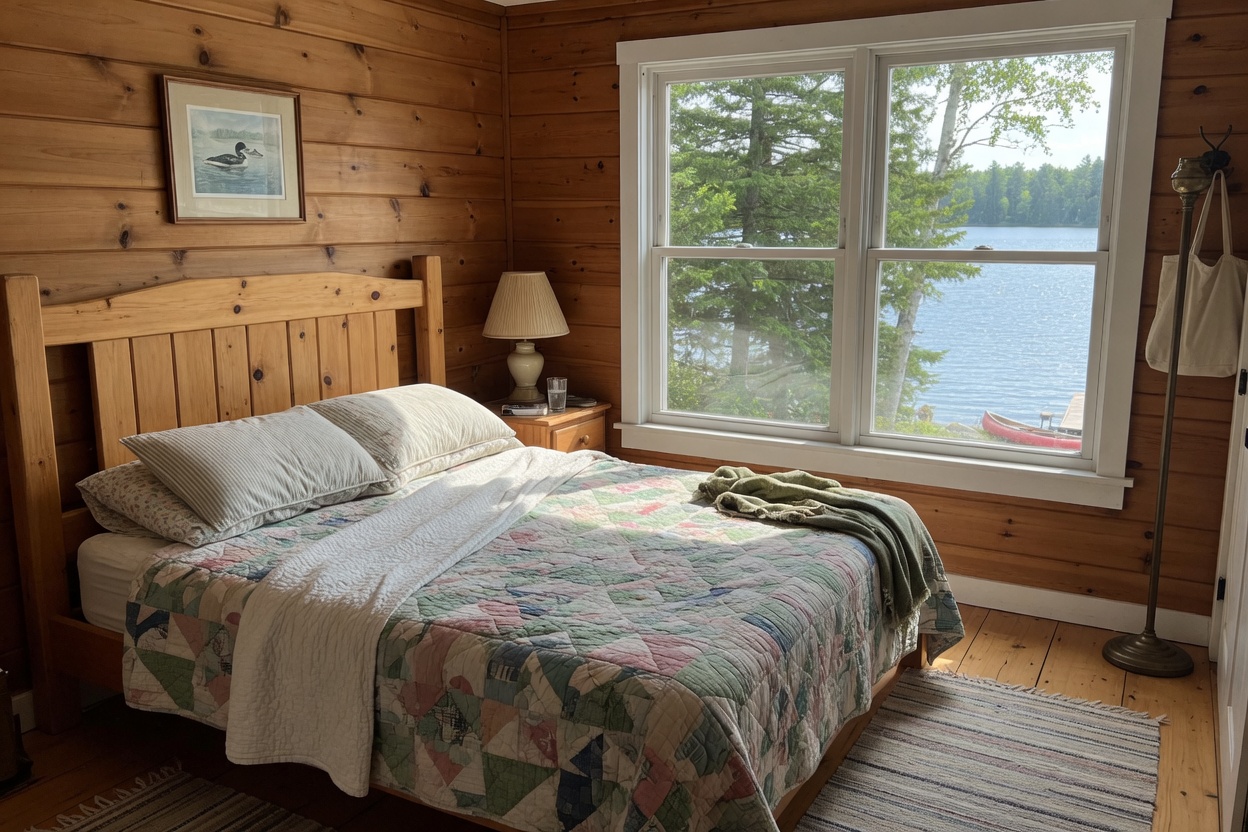
"Waterfront" and "near lake" are not interchangeable, and treating them that way in listing copy is the failure mode this guide exists to prevent: soft slogans that skip the operable fact a guest actually needs, whether they can walk straight to the water's edge from the property or whether they're driving or walking some distance to reach it. That distinction costs a host nothing to get right and costs plenty in guest trust to get wrong.
A host who chases a punchier marketing word instead of an accurate one is trading a short-term click for a longer-term complaint. Guests read "waterfront" as direct water access, and if what's actually being offered is a house a short drive from the lake, the honest word is "near lake," not a softened version of "waterfront" that hopes nobody checks.
This isn't a claim about which word converts better in search or ad copy; that's not a number this guide will guess. It's a plain rule: describe the actual relationship between the property and the water, and let guests self-select based on what's true. This is not legal advice.
Know Which Word Actually Describes Your Property
Waterfront means direct access, a guest can walk from the property to the water's edge without driving or taking a separate path through other land. Near lake means the water is a genuine feature of the area and the trip, but it involves a drive or a walk of real distance to actually reach it. Confusing the two in a listing description sets up a guest's expectations before they've even seen a photo.
Write the water-access claim against the same kind of specific, checkable questions guests ask about anything else on the listing: where do they park, how do they physically get from the property to the water, and does the first photo they see actually represent that relationship accurately. A soft slogan that skips those operable facts wastes the host's own time as much as the guest's, since it's the host who fields the confused message later.
The Anti-Pattern to Avoid
The common version of this mistake is a host who leans on the more exciting word, "waterfront," while the parking and access copy underneath it still describes a drive to the lake. Guests complain. Whatever metric looked good when the listing used the stronger word starts to slip once trust erodes from a mismatch a guest discovers on arrival.
The fix isn't complicated: rewrite the operable lines first, the actual distance and access description, before touching anything else. Answer any open guest threads about the water access honestly. Only after those two things are handled is it worth deciding whether any further marketing effort on this point is even needed.
Put the Accurate Word in the Fields Guests Actually Read
The listing title, the about section, the photos, and the house rules are where a guest forms their real expectation about water access, more than any single ad or social caption. If those core fields say "waterfront" but the property is actually a short drive from the lake, that's the first thing to correct, since it's the claim most guests will see before anything else.
When the listing text and any other marketing material disagree about water access, the accurate version should win the same day. That includes anything a co-host might be telling guests in messages; if the phrasing there doesn't match what the listing itself says, that gap needs closing immediately, before a guest catches the difference themselves.
Know When the Messaging Is Accurate Enough
This work has a genuine stopping point: once inquiries and reviews stop raising questions or complaints about the actual distance to the water, the messaging has caught up to reality. There's no need to keep rewording a description that's already telling guests the truth.
This guide won't guess at which word, waterfront or near lake, converts better in search results or ad performance, and it won't guess a ranking-weight explanation for why one term might outperform the other. What it will say plainly: the word that matches the actual property prevents the complaint that the wrong word invites, and that's worth more than whatever click-through difference the stronger-sounding word might produce.
Related Reading
More independent-host reading on honest listing copy, distribution, and when hiring help is worth it.
Frequently Asked Questions
What's the difference between waterfront and near lake?
Waterfront means a guest can walk directly from the property to the water's edge with no drive or separate path required. Near lake means the water is a real feature of the area, but reaching it involves a drive or a walk of genuine distance.
Why does this distinction matter so much in listing copy?
Guests read "waterfront" as a promise of direct access. If the property is actually a drive from the lake, using that word anyway sets up the exact complaint a guest leaves once they discover the gap on arrival.
What's the common mistake hosts make here?
Using the more exciting word, waterfront, while the parking and access copy underneath still describes an actual drive to the lake. Guests complain once they notice the mismatch.
What should I fix first if my listing overstates water access?
Rewrite the operable lines, the actual distance and access description, before touching anything else. Then answer any open guest threads about it honestly.
Where should the accurate water-access description live?
In the listing title, about section, photos, and house rules, since those are what a guest reads to form their real expectation, more than any single ad or social caption.
What if my co-host describes water access differently than my listing does?
Close that gap immediately. Guests notice when the phrasing in messages doesn't match what the listing itself says.
How do I know if my waterfront-vs-near-lake messaging is accurate enough?
When inquiries and reviews stop raising questions or complaints about the actual distance to the water.
Does one word convert better in search or ads?
This guide doesn't claim to know or guess which term performs better in search or ad results. It focuses on accuracy, not a ranking or conversion promise.
Work with Crest & Cove Creative
Waterfront means a guest can walk to the water. Near lake means they can't, not without a drive, and blurring that line in a listing is exactly the kind of gap a guest notices on arrival.
Read your own listing's water-access description as a first-time guest would, and check whether the word you used actually matches the walk from your front door. Reach out at crestcove.co or (256) 998-7502 if you want a second opinion on the wording.
Reach out at crestcove.co or (256) 998-7502.


Comments