
The Complete Visitor's Guide to McKenzie Bridge, Oregon


McKenzie Bridge is a small river community in unincorporated Lane County, Oregon, built around the McKenzie River corridor along Highway 126. It is not a resort town with a downtown strip of shops; it is a base for the river itself, the surrounding forest, and the waterfalls upstream, and the best guest experiences here are built around that fact rather than around amenities the town was never going to have.
Most guests arrive from Portland, and after that, from Bend, making this primarily a regional drive-market destination rather than a fly-in vacation stop. Typical length of stay runs about 2.7 nights, and the booking data behind this guide, drawn from an AirROI extract covering August 2025 through July 2026, shows a market of 50 active listings with a clear seasonal shape: August, June, and October carry the most revenue, while January is the clear low point.
This guide is written for hosts and guests planning around that real pattern, not around a generic Oregon vacation description that could apply to any town off Interstate 5. A listing description, a check-in message, and a guest guidebook that names McKenzie Bridge specifically, and this stretch of the McKenzie River specifically, is what turns a booking into a returning guest.
It is also written to keep this town's facts on this town's page. A nearby city like Eugene shows a very different visitor pattern on the same data window, with well over a thousand active listings and a downtown-and-university guest mix that has little to do with a river-corridor stay here. A visitor guide for McKenzie Bridge should not borrow language, numbers, or attractions from that separate market. This is not legal advice.
Getting Here: Drive Times Guests Actually Plan Around
Because most guests come from Portland and then from Bend, the drive itself is part of the trip guests are planning, not an afterthought. A listing or a pre-arrival message that gives clear, specific directions along Highway 126, rather than a generic Oregon route description, saves guests real confusion on a road that runs through forest with limited market coverage in stretches.
Lead time on bookings runs about 64 days on average, which means most guests have weeks to plan the drive, pick a arrival window, and decide whether they are stopping at a grocery store in a larger town before they reach McKenzie Bridge. A host guide that spells out where the last full grocery stop is, and how far it is from the property, answers a question guests are already asking themselves before they book.
Because this is a drive market, not a flight market, the guest mindset is different from a fly-in beach town. Guests are often combining the McKenzie Bridge stop with other stretches of a larger Oregon road trip, so a guidebook that frames the property as one leg of a route, rather than the entire destination, tends to match how guests are actually planning.
A short section in the pre-arrival message about where market service typically drops along the drive, and where the last reliable fuel and grocery stop sits before the property, does more for a guest's actual experience than a long paragraph of scenic description. Guests heading into a forest corridor with patchy coverage want practical information first, and the scenery speaks for itself once they arrive.
The River Is the Reason Guests Book
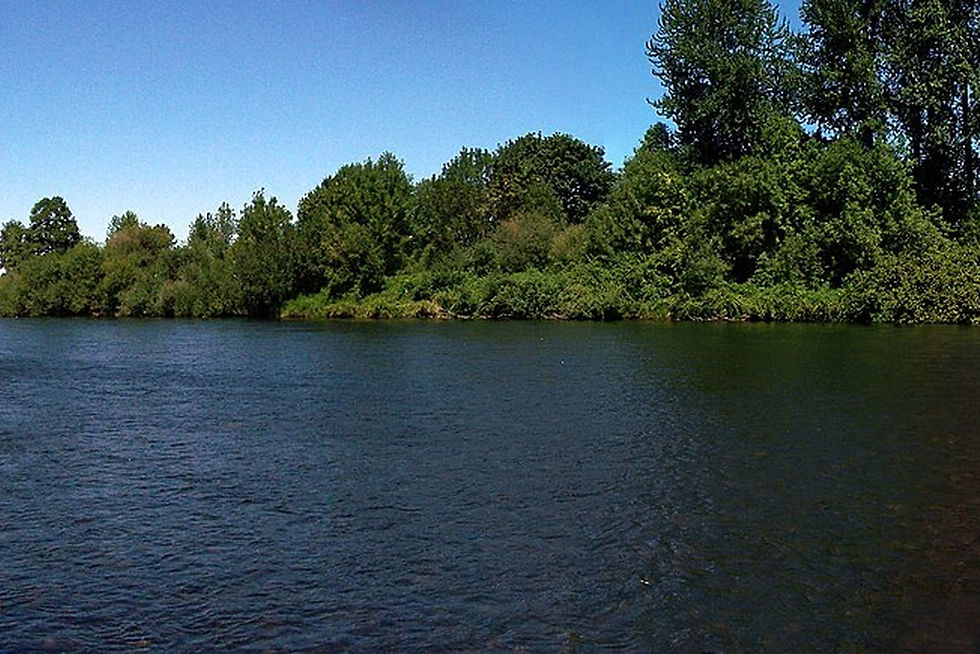
The McKenzie River is the organizing feature of this whole area, and copy that treats it as generic scenery misses what guests are actually booking. Whether a stay backs directly onto the river or sits a short drive from public access, naming the river specifically, and being precise about distance and access, does more for a listing than any generic phrase about Oregon's natural beauty.
Sahalie Falls sits within reach of the McKenzie Bridge area and is one of the specific landmarks worth naming directly in a guest guide rather than folding into a vague list of nearby attractions. Guests planning a McKenzie Bridge trip are often planning it specifically around river and waterfall access, and a guide that names the actual falls, rather than saying 'nearby waterfalls,' reads as written by someone who actually knows the area.
A first-night walk, a short, guided route from the property to a nearby river viewpoint or trailhead that a host lays out step by step in the welcome guide, turns the first evening of a stay into an experience instead of a logistics gap between arrival and dinner. That kind of specific, walkable orientation is worth more to a guest's first impression than a long list of distant attractions they will not get to on a short stay.
Because the average stay here is short, a guest rarely has time to explore the full length of the river corridor in one visit. A guidebook that picks one or two specific, nearby river or falls experiences and describes them in real detail serves guests better than a long, generic list of every attraction within an hour's drive. Depth on a couple of specific spots beats breadth on a dozen vague ones.
Planning Around the Real Calendar, Not a Guess
On the current data, August stands out as the strongest month for this market, alongside June and October, which lines up with peak summer river access and a strong fall shoulder window. January is the clear low point, consistent with a rural forest community that sees far less regional drive traffic once the summer and fall season closes out.
For guests, that means an August visit should be planned and booked well ahead of the roughly 64-day average lead time this market shows, since availability tightens as the peak approaches. For hosts, it means a listing description written in April should already be speaking to the August guest, not still carrying language written for a slower month.
Named local events and river-corridor gatherings add real energy to specific weekends, and they are worth mentioning in a guest guide as color and local flavor. They should not, however, be treated as a guarantee of typical availability or pricing; a named event weekend is a demand signal on the calendar, not a stand-in for the underlying occupancy pattern across the rest of the season.
Shoulder months around the August, June, and October peaks tend to offer a quieter, less booked-up version of the same river and forest access, which is worth mentioning to guests who have flexibility on dates. A guide that is honest about which months are busiest, and which offer more availability and a calmer experience, serves guests better than a description that implies every month looks the same.
What a Guest's First Night Should Actually Look Like
Most stays here run about 2.7 nights, which means the first evening carries outsized weight in how a guest remembers the whole trip. A welcome guide that gets a guest oriented quickly, where to park, where the nearest food option is, what market coverage looks like at the property, and what the walk to the river or a nearby overlook involves, sets the tone for everything that follows.
Because this is forest and river terrain, not a manicured resort, guests benefit from specific, practical notes: road conditions in different seasons, what to expect from market signal, and any features of the property itself, like a woodstove or a river-adjacent deck, that need a quick explanation on arrival. Vague reassurance is less useful here than direct, local detail.
A short list of what is genuinely walkable from the property versus what requires a drive helps guests plan their own evening without guesswork. Guests on a 2.7-night average stay do not have much slack to figure things out by trial and error, so the guide that removes that friction on night one earns a better review on checkout.
Registration and Tax Notes Worth Knowing as a Visitor
McKenzie Bridge sits in unincorporated Lane County, and short-term rentals operating here are subject to county transient lodging tax under Lane Code 4.005.110, a combined rate of five percent plus three percent plus two percent of rent, along with Oregon's state transient lodging tax of 1.5 percent on stays ending on or before December 31, 2026. Guests will typically see these reflected in the total charged at booking rather than as a separate line item to track themselves.
This guide does not carry a specific McKenzie Bridge short-term-rental permit fee, and that figure should not be assumed by a host or a guest; it is a detail confirmed directly with Lane County rather than estimated. Guests booking a compliant listing generally do not need to think about this directly, but hosts writing guest-facing materials should be careful not to state a registration status they have not verified.
For guests curious about how the local rules work, Lane County's own pages, starting at lanecountyor.gov, are the right primary source rather than a general search result or a secondhand summary. That same source is where a host should be pointing curious guests, rather than trying to explain county tax code from inside a welcome guide meant for trip logistics, not policy detail.
Who a Host Is Actually Talking To
Because the audience is overwhelmingly a Portland-and-Bend drive market rather than a fly-in crowd, host communication can be more direct and less generic than copy written for a national or international audience. Guests already know they are driving into a forested river corridor; what they need from a listing is confirmation of the specific details, distance, road type, market coverage, not a broad sales pitch about Oregon in general.
The roughly 64-day average lead time also means most guests are not booking on impulse. They have time to read a detailed guidebook, ask a pre-arrival question, and plan the trip around a specific date, often the August peak or one of the other strong months on the calendar. A host who treats that lead time as an opportunity to send useful, specific information well before arrival, rather than a single generic confirmation email, tends to see fewer arrival-day questions and a smoother check-in.
That lead time is also a chance to set expectations honestly about quieter months. A guest booking a January stay should hear, ahead of arrival, that January is the slowest month on this market's own occupancy data, meaning a quieter, less-booked river corridor than an August weekend. Setting that expectation early prevents a mismatch between what a guest imagined and what the trip actually delivers once they arrive.
Making a Listing Sound Like McKenzie Bridge, Not Just Oregon
A listing description or guidebook that could describe any small Oregon town, generic pine trees, generic mountain air, generic river views, loses the guest who is specifically choosing McKenzie Bridge over a dozen other river towns off Highway 126. Naming the McKenzie River directly, naming Sahalie Falls, and describing the actual drive from Portland or Bend does more to convert a booking than broad, interchangeable language ever will.
This matters most heading into the August peak, when guests are actively comparing options across the region. A listing still running vague, statewide language in late spring is already behind the guest who is booking with a specific river stay in mind, roughly 64 days ahead of an August arrival, and choosing between properties that name the actual place and those that do not.
The same principle carries through photos, not just text. Images that clearly show the actual river frontage, the actual drive-up, and the actual interior of a specific McKenzie Bridge property do more to earn a booking than generic forest stock photography that could belong to any listing in the Pacific Northwest. Guests choosing between similar-sounding properties in this corridor are, in practice, choosing based on which listing looks and reads like it is telling the truth about one specific place.
Related Reading
More The Complete Visitor's Guide to McKenzie Bridge, Oregon host reading on desks, calendars, and listing clarity.
McKenzie Bridge, Oregon STR Market Report 2026: Revenue Data
McKenzie Bridge, Oregon STR Rules: What to Confirm Before You List
McKenzie Bridge Tourism Data: What Actually Predicts Revenue
McKenzie Bridge and Eugene: Two Towns, Two Different Guest Trips
Who Books a McKenzie Bridge, Oregon Rental: Origin and Trip Type
Frequently Asked Questions
Where do most McKenzie Bridge visitors travel from?
Most guests booking a McKenzie Bridge stay arrive from Portland, followed by Bend, which makes this primarily a regional drive-market destination rather than a fly-in vacation spot. Typical booking lead time runs about 64 days, giving most guests weeks to plan the drive along Highway 126. Listings and guest guides that speak directly to that drive pattern tend to connect better than generic statewide language.
How long do most guests stay in McKenzie Bridge?
Typical length of stay in McKenzie Bridge runs about 2.7 nights, based on the current AirROI extract covering August 2025 through July 2026. That short average means the first evening of a stay carries real weight in the overall guest experience, so a clear, specific welcome guide covering arrival, parking, and nearby river access matters more here than in a market built around longer, week-long stays.
What is the best time of year to visit McKenzie Bridge?
On the current extract, August stands out as the strongest revenue month, alongside June and October, reflecting peak summer river access and a strong fall shoulder season. January is the clear low point for this market. Guests planning an August trip should book well ahead of the roughly 64-day average lead time, since availability tightens noticeably as the peak season approaches.
Is McKenzie Bridge close to Sahalie Falls?
Sahalie Falls sits within reach of the McKenzie Bridge area along the McKenzie River corridor and is one of the specific landmarks worth planning a visit around. Guests booking a McKenzie Bridge stay are frequently doing so specifically for river and waterfall access, and naming the falls directly in a listing or guidebook, rather than describing generic nearby attractions, better reflects what the trip is actually built around.
Do I need to worry about lodging taxes as a guest?
Short-term rentals in McKenzie Bridge, which sits in unincorporated Lane County, are subject to a combined county transient lodging tax under Lane Code 4.005.110 of five percent plus three percent plus two percent of rent, plus Oregon's 1.5 percent state transient lodging tax on stays ending on or before December 31, 2026. These are typically included in the total charged at booking rather than collected separately from guests.
Is McKenzie Bridge a good base for a longer Oregon road trip?
Yes, and the booking data supports that pattern. Because most guests already arrive from Portland or Bend as part of a regional drive, McKenzie Bridge functions well as one leg of a larger route through the McKenzie River corridor rather than as a single, standalone destination. A guidebook that frames the property as part of a route, not the entire trip, tends to match how guests actually plan.
What should I expect from market service and road conditions near McKenzie Bridge?
McKenzie Bridge sits in forest terrain along Highway 126, and market coverage can be limited in stretches of the drive, so downloading directions ahead of arrival is worth doing before leaving market range. A specific, practical host guide covering road conditions by season and what to expect on arrival removes real guesswork for guests, especially on a market where the average stay is only about 2.7 nights.
Are named local events a reliable guide to availability?
Named event weekends along the McKenzie River corridor add real local color and are worth including in a guest guide, but they are a demand signal, not a stand-in for the underlying occupancy data. Guests should treat an event weekend as one reason among several for choosing a specific date, and should still book with the same August-peak, January-low seasonal pattern in mind that the rest of the market follows.
Work with Crest & Cove Creative
McKenzie Bridge rewards a guide built around the real river, the real falls, and the real drive from Portland or Bend. Guests who get that specific picture before they arrive settle in faster and leave better reviews.
Want a McKenzie Bridge guest guide that reads like it was written by someone who has actually stood at the river, not a template stretched across every Oregon listing? We build listing copy and welcome guides around this exact town's calendar, drive pattern, and landmarks so every guest arrives already oriented.
Reach out at crestcove.co or (256) 998-7502.


Comments