
McKenzie Bridge, Oregon STR Rules: What to Confirm Before You List

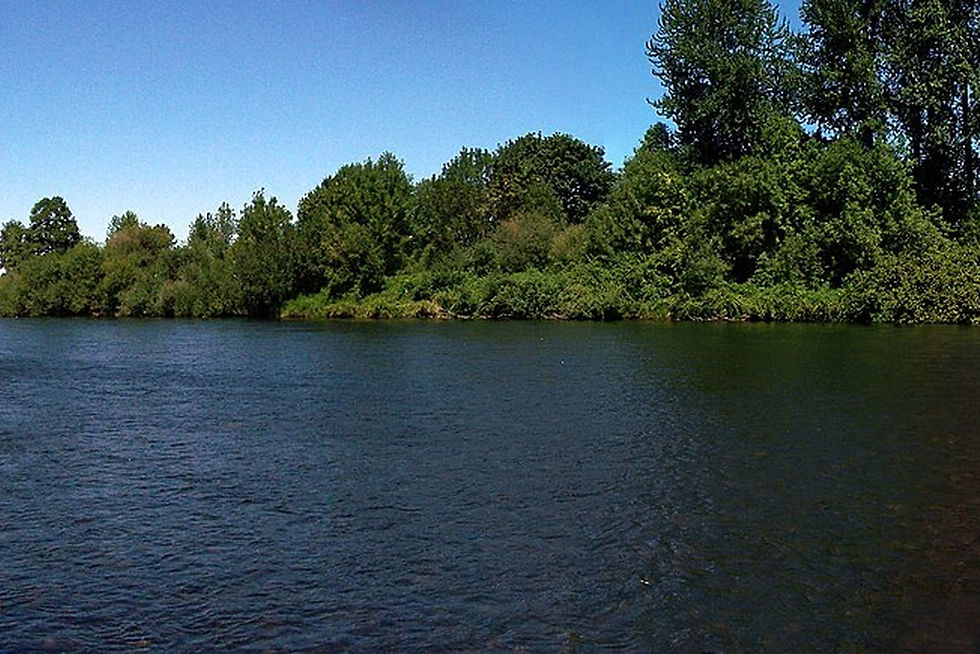
McKenzie Bridge sits in unincorporated Lane County, Oregon, which means there is no separate municipal permit desk issuing its own short-term rental license here — the relevant registration, land-use, and tax rules run through Lane County directly. This page walks through what this research pass can confirm, what it cannot, and exactly where to go to fill the gaps before you advertise. This is not legal advice. It is a plain-language map of the primary sources hosts should check, built from what this dataset actually contains rather than from assumptions filled in to make the page feel more complete than the underlying research supports.
The market context here is real: typical listings in McKenzie Bridge earned about $31,397 last year, from 50 active rentals on an Air ROI extract filed for the window running August 2025 through July 2026. That figure sits alongside a genuinely important compliance gap — this research pass does not contain a confirmed McKenzie Bridge-specific short-term rental permit dollar amount, and this page does not guess one. Anyone reading this page for a permit fee number should stop here and call Lane County directly rather than assume a figure this research does not actually provide.
Eugene appears once in this page for scale contrast only: Eugene listings earned about $26,063 last year from 1,328 active rentals on the same extract window. Eugene sits inside its own city limits with its own municipal rules, which are not the same as the unincorporated Lane County rules that actually apply to a McKenzie Bridge address. ; a Eugene city permit requirement is not automatically a McKenzie Bridge requirement, and this page does not treat it as one.
Confirm You Are Actually Governed by Lane County's Unincorporated Rules
Before checking any registration or tax requirement, confirm the property in question is inside McKenzie Bridge's unincorporated Lane County area and not inside a separate incorporated city boundary nearby, since incorporated cities can layer their own additional short-term rental rules on top of county requirements. McKenzie Bridge itself is unincorporated, so the primary registration and land-use path runs through Lane County rather than through a town-level clerk's office. Confirming this first prevents a host from researching the wrong jurisdiction's rules entirely, which is a common and costly mistake in rural Oregon counties where small forest-corridor communities sit close to incorporated towns with their own separate ordinances.
Lane County Land Management is the correct primary source for confirming land-use classification and any zoning-related restrictions that could affect whether a specific parcel is eligible to operate as a short-term rental at all. This step matters before spending on furniture, photography, or a marketing push, since a parcel that does not clear land-use review cannot legally operate as a short-term rental regardless of how strong the surrounding market data looks. Confirm current land-use files at Lane County Land Management directly rather than relying on a neighboring property's history as a stand-in for your own parcel's status.
Registration and County Contact Information
Confirm current registration requirements, land-use files, and remaining 2026 county requirements at lanecountyor.gov, or by calling the county directly at 541-682-4065. Lane County Planning can be reached separately at 541-682-3577 for land-use and zoning-specific questions that fall outside general registration or tax processing. Having both numbers on hand is useful because registration questions and land-use questions are sometimes handled by different desks within the county, and a host who only calls one number may not get a complete answer to both categories of question in a single call.
This research pass does not guess a McKenzie Bridge town short-term rental permit dollar figure, and no such figure appears anywhere on this page. If a fee applies, it will come from Lane County directly, and hosts should ask specifically about current registration fees, renewal timing, and any inspection requirements when they call, since fee structures and renewal cycles can change from year to year and a stale figure from an old blog post or forum thread is not a reliable substitute for a live answer from the county.
Understanding the County and State Tax Layers
Lane Code 4.005.110 levies a county transient lodging tax on short-term rental income, described in the sourced research as five percent plus three percent plus two percent of rent. This page presents that breakdown exactly as sourced rather than adding the three components into a single combined percentage, because the underlying research does not state a confirmed combined total, and this page will not guess at county tax math on a host's behalf. Ask the county directly for the current combined effective rate and how it should be calculated and remitted before your first booking.
Separately, Oregon's state transient lodging tax is 1.5 percent, described in the sourced material as applying to stays ending on or before December 31, 2026, according to primary Oregon Department of Revenue pages. That date-bounded phrasing is worth flagging directly: language tying a tax rate to a specific end date often signals a scheduled review or a planned change, and this page cannot confirm from this research alone whether the rate holds steady after that date. Confirm the current state rate on primary Department of Revenue pages before pricing any stay that extends into 2027.
Lane County's transient lodging tax is administered by the Oregon Department of Revenue under an intergovernmental agreement, which means county and state tax questions can sometimes be resolved through the same state-level channel even though they are legally two separate taxes with two separate rate structures. Do not assume paying one automatically satisfies the other; confirm both the county rate and the state rate, and confirm how each should be reported, since remittance schedules and reporting mechanics can differ even when the same state agency handles collection for both.
What to Display on Your Listing Once Compliance Is Confirmed
Once registration, land-use, and tax obligations are actually confirmed with Lane County and the Oregon Department of Revenue, display whatever proof of registration or license the county requires directly on the listing itself, in whatever form the county specifies. A registration number pulled from a neighboring listing, a general internet search result, or a secondhand summary is not the same as your own confirmed registration, and displaying unverified information on a live listing creates real risk rather than reducing it. Confirm current fees and renewal dates directly with the county rather than relying on any figure printed here, since this page is a starting map to primary sources, not a substitute for the county's own current requirements.
Quiet hours and house-rule expectations should also be built around whatever the county's current requirements specify, once those are confirmed, rather than copied from a generic short-term rental template built for a different jurisdiction. A listing that displays accurate registration information and locally appropriate house rules is doing more real compliance work than one that leans on strong photography and river views alone while skipping the underlying paperwork.
It is also worth confirming whether Lane County requires any renewal cadence, whether annual, biennial, or otherwise, and whether that renewal carries its own fee separate from the initial registration cost. A host who confirms only the upfront registration requirement and never asks about renewal can end up with a lapsed registration well into an active booking season, at exactly the point when a lapse is most disruptive to guests with confirmed reservations. Ask about renewal timing in the same call that covers initial registration, so both pieces of the requirement are documented together rather than discovered separately months apart.
Keeping McKenzie Bridge Facts Separate From Eugene's
Eugene listings earned about $26,063 last year from 1,328 active rentals on the same data window used for McKenzie Bridge's $31,397 figure, and that Eugene number belongs entirely to Eugene. Eugene sits inside its own incorporated city limits, which means it can carry its own separate municipal short-term rental ordinance layered on top of Lane County's countywide rules — a layering that does not apply the same way to unincorporated McKenzie Bridge. A host who searches for Eugene's specific city permit rules and applies them to a McKenzie Bridge property risks either underestimating a requirement that does not actually apply, or missing a McKenzie Bridge-specific county requirement that a Eugene-focused search would not surface.
When in doubt about which jurisdiction's rules govern a specific parcel, the safest first call is still Lane County directly at 541-682-4065, or Lane County Planning at 541-682-3577 for zoning-specific questions, followed by confirmation of the current Oregon Department of Revenue state tax rate. Those two calls, made before any marketing spend or furniture purchase, are the actual compliance foundation this page is built to point hosts toward, rather than a substitute for hosts making those calls themselves.
The Market Context Behind This Compliance Checklist
Compliance work matters here in part because the underlying market opportunity is real and specific rather than speculative. Typical listings in McKenzie Bridge earned about $31,397 last year, from 50 active rentals on the Air ROI extract filed for the window running August 2025 through July 2026, with an average daily rate around $274 and occupancy near 35.4 percent. That is a genuine reason to take the county's registration and tax requirements seriously rather than treating them as paperwork standing between a listing and a market that may not be worth the effort — the revenue potential here is documented, which raises the stakes of skipping a required registration step or misreporting a tax obligation.
At the same time, this page is deliberately narrow in scope. It does not attempt to translate Lane Code 4.005.110 into legal guidance, does not interpret how the county's registration process applies to any specific property type, and does not predict how enforcement works in practice. Those are all questions for Lane County directly, ideally documented in writing once answered, so a host has a clear record of what was confirmed and when, rather than relying on memory of a phone call months later when a registration renewal or tax filing deadline approaches.
A Simple Order of Operations Before You List
A practical sequence for a McKenzie Bridge host starts with confirming land-use eligibility at Lane County Land Management, since a parcel that cannot legally operate as a short-term rental makes every subsequent step irrelevant. Next comes registration itself, confirmed directly with Lane County at 541-682-4065 or through lanecountyor.gov, including current fees and renewal timing. Only after both of those are confirmed does it make sense to move to tax registration questions covering both the Lane Code 4.005.110 county rate and the separate 1.5 percent Oregon state rate, and finally to publishing a live listing with accurate registration proof displayed as the county specifies.
Skipping ahead to listing photography, pricing strategy, or marketing spend before land-use and registration are confirmed is a common but avoidable mistake. A strong listing built on an unconfirmed compliance foundation can generate real bookings and real revenue for a period of time before a compliance issue surfaces, at which point the marketing investment already made becomes far harder to protect. Confirming the boring paperwork first, in the order above, protects the more visible and more enjoyable work of building out the actual listing and guest experience.
It also helps to keep a written record of every confirmation as it happens, rather than relying on memory of a single phone call. A short document that notes the date a land-use question was confirmed, who at Lane County answered it, the current registration fee quoted, and the current combined tax rate quoted gives a host something concrete to reference at renewal time, and something concrete to point to if a question ever comes up about when and how a specific requirement was confirmed. This kind of record-keeping costs almost nothing to maintain and meaningfully reduces the risk of a lapsed registration or a missed tax filing simply because a detail was forgotten months after the original call.
Related Reading
More McKenzie Bridge, Oregon STR Rules host reading on desks, calendars, and listing clarity.
Frequently Asked Questions
Do I need to register a McKenzie Bridge short-term rental before I advertise it?
McKenzie Bridge sits in unincorporated Lane County, so registration runs through the county rather than a separate town office. This research pass does not confirm a specific McKenzie Bridge permit dollar amount, so this page does not state one. Confirm current registration requirements, land-use files, and any applicable fees at lanecountyor.gov or by calling 541-682-4065 before you advertise. A direct call to the county, made before any marketing spend, is the correct next step before listing a property here.
What is the Lane County transient lodging tax rate for short-term rentals?
Lane Code 4.005.110 levies a county transient lodging tax described in the sourced research as five percent plus three percent plus two percent of rent. This page presents that breakdown exactly as sourced rather than adding the components into one combined percentage, since the research does not confirm a single combined total. Call Lane County directly, or check lanecountyor.gov, to get the current combined effective rate and confirm how it should be calculated, reported, and remitted for your specific listing.
What is Oregon's state transient lodging tax rate, and does it apply here?
Oregon's state transient lodging tax is 1.5 percent, described in the sourced material as applying to stays ending on or before December 31, 2026, per primary Oregon Department of Revenue pages. That date qualifier suggests a possible scheduled change, so this page flags it rather than assuming the rate holds beyond that date. Confirm the current rate directly on Department of Revenue pages before pricing stays that extend into 2027, since this research cannot confirm the rate past the stated date.
Who administers Lane County's transient lodging tax collection?
Lane County's transient lodging tax is administered by the Oregon Department of Revenue under an intergovernmental agreement, meaning county and state tax questions can often be addressed through the same state-level channel even though the two taxes are legally separate with different rate structures. Do not assume paying one tax automatically satisfies the other. Confirm both the county rate under Lane Code 4.005.110 and the current state rate, and ask specifically how each should be reported and remitted for a McKenzie Bridge address.
Is there a specific dollar amount for a McKenzie Bridge short-term rental permit?
This research pass does not contain a confirmed McKenzie Bridge-specific short-term rental permit dollar figure, and this page does not guess one to fill that gap. Because McKenzie Bridge is unincorporated, any permit or registration fee would come from Lane County directly rather than a separate town office. Call Lane County at 541-682-4065, or Lane County Planning at 541-682-3577 for zoning-specific questions, and ask directly about current registration fees, renewal timing, and any inspection requirements before you advertise.
Who do I contact at Lane County with short-term rental registration questions?
For general registration and county file questions, call Lane County at 541-682-4065 or check lanecountyor.gov directly. For land-use and zoning-specific questions, Lane County Planning can be reached separately at 541-682-3577. Registration and land-use matters are sometimes handled by different desks within the county, so having both numbers ready before you call helps ensure you get a complete answer rather than a partial one that leaves a compliance gap unaddressed before you list.
How do McKenzie Bridge's rules differ from Eugene's short-term rental rules?
Eugene sits inside its own incorporated city limits and can layer its own municipal short-term rental ordinance on top of countywide rules, while McKenzie Bridge is unincorporated and governed primarily by Lane County's countywide registration, land-use, and tax requirements. Eugene's rules and McKenzie Bridge's rules are not interchangeable, and a search focused on Eugene's specific city permit requirements will not reliably surface what actually applies to a McKenzie Bridge parcel. Confirm McKenzie Bridge requirements directly with Lane County rather than assuming Eugene's rules transfer over.
What should I confirm about land use before buying a McKenzie Bridge rental property?
Confirm the parcel's land-use classification and any zoning restrictions directly with Lane County Land Management before purchase, since a parcel that does not clear land-use review cannot legally operate as a short-term rental regardless of how strong the surrounding market data looks. This step matters more than furniture or marketing spend early on. Confirm current land-use files at Lane County Land Management rather than assuming a neighboring property's approved status applies automatically to a different parcel nearby.
Should I display my registration number on my McKenzie Bridge listing?
Once registration is actually confirmed with Lane County, display whatever proof of registration or license the county specifies, in the format the county requires. A registration number copied from a different listing or found through a general search is not a substitute for your own confirmed registration, and posting unverified information creates compliance risk rather than reducing it. Confirm current requirements and display formats directly with the county before publishing any registration information on a live listing.
Work with Crest & Cove Creative
McKenzie Bridge sits in unincorporated Lane County with no confirmed town permit fee in this research, so this page maps the exact county and state contacts to call before you advertise. Name the failure mode the guest can check on.
Crest & Cove Creative helps short-term rental hosts turn confirmed local compliance work into listing copy that reads as trustworthy rather than generic, once registration and tax questions are actually settled with Lane County. If you want a marketing plan built around a McKenzie Bridge property that is already compliant, or need help translating county-confirmed requirements into clear listing language, reach out and our team can walk through the next steps with you directly.
Reach out at crestcove.co or (256) 998-7502.


Comments