
What It Actually Costs to Start a McKenzie Bridge, OR STR


Starting a short-term rental in McKenzie Bridge, Oregon involves real, sequenced costs, and the biggest mistake a new host can make is spending on the visible items, furniture, photography, a listing platform account, before confirming the less visible but far more important compliance costs first. This page walks through that order of operations using only the figures this research pass actually confirms, and it is explicit about where a specific dollar amount is not available so a host does not mistake a gap in this dataset for a zero-cost item.
On the revenue side, typical listings in McKenzie Bridge earned about $31,397 last year, from 50 active rentals on the extract filed for the window running August 2025 through July 2026, which is the return this startup spending is ultimately working toward. Average daily rate ran about $274, occupancy was about 35.4 percent, and RevPAR worked out to roughly $101. Those figures give a new host a real target to underwrite startup spending against, rather than a vague sense that the area is popular.
Eugene appears once here for scale only: Eugene listings earned about $26,063 last year from 1,328 active rentals on the same extract window. Eugene's cost structure, market size, and compliance requirements are not the same as McKenzie Bridge's, and this page keeps startup cost planning specific to a McKenzie Bridge property rather than borrowing assumptions from that much larger neighboring market. This is not legal advice.
Step One: Confirm Compliance Costs Before Spending on Anything Else
The first cost category a McKenzie Bridge host needs to price out is compliance, not furniture. McKenzie Bridge sits in unincorporated Lane County, so registration and land-use questions run through the county rather than a separate town office. This research pass does not contain a confirmed McKenzie Bridge-specific short-term rental permit dollar figure, and this page does not guess one to fill that gap. Before spending on anything else, call Lane County directly at 541-682-4065, with Lane County Planning available at 541-682-3577 for zoning-specific questions, and confirm current registration fees, renewal timing, and any land-use requirements at lanecountyor.gov.
Skipping this step to move faster toward furniture and photography is a common mistake, and it is an expensive one if a parcel later turns out not to be eligible to operate as a short-term rental under current land-use rules. Confirming eligibility and registration costs first, even though it feels like the least exciting part of getting started, protects every dollar spent afterward on furnishing and marketing a property that needs to actually be able to operate legally before any of that spending can generate revenue.
Step Two: Understand the Ongoing Tax Obligations You're Budgeting Against
Lane Code 4.005.110 levies a county transient lodging tax described in the sourced research as five percent plus three percent plus two percent of rent. This page presents that breakdown exactly as sourced rather than adding the components into one combined figure, since the underlying research does not confirm a combined total, and a new host should get that combined effective rate directly from Lane County before finalizing a pricing and revenue model. Separately, Oregon's state transient lodging tax is 1.5 percent, described in the sourced material as applying to stays ending on or before December 31, 2026, per Oregon Department of Revenue pages, a date-bounded figure worth confirming directly given that qualifier.
These are not one-time startup costs, but they need to be budgeted into a startup financial model from day one, since they affect the actual net revenue a new listing will generate relative to the $31,397 typical-earner figure and the roughly $274 ADR this sample reports. A new host who builds a revenue model using gross nightly rate without accounting for both the county and state tax layers is working from an inflated net-revenue projection that will not match actual bank deposits once tax remittance is factored in.
Step Three: Furniture and Setup Costs This Research Does Not Specify
This research pass does not contain specific dollar figures for furniture, linens, kitchen equipment, or general setup costs for a McKenzie Bridge property, and this page does not guess placeholder numbers to fill that gap. What can be said with confidence is that setup spending should be sized relative to the market's actual rate positioning: with an average daily rate around $274 and a top-quartile rate tier this research does not break out in specific dollar terms for McKenzie Bridge, a new host should furnish to a standard that can credibly compete at or near that ADR level, without assuming luxury-tier spending is required to reach it.
A practical approach for a new host without a confirmed local furniture-cost benchmark is to get direct quotes from local Lane County vendors and compare them against a target setup budget informed by the expected revenue, $31,397 typical annual earnings on 50 listings, rather than trying to reverse-engineer a specific dollar figure from a broader national furnishing-cost average that may not reflect actual costs and shipping logistics for a rural McKenzie Bridge property.
Step Four: Marketing and Listing Setup Costs
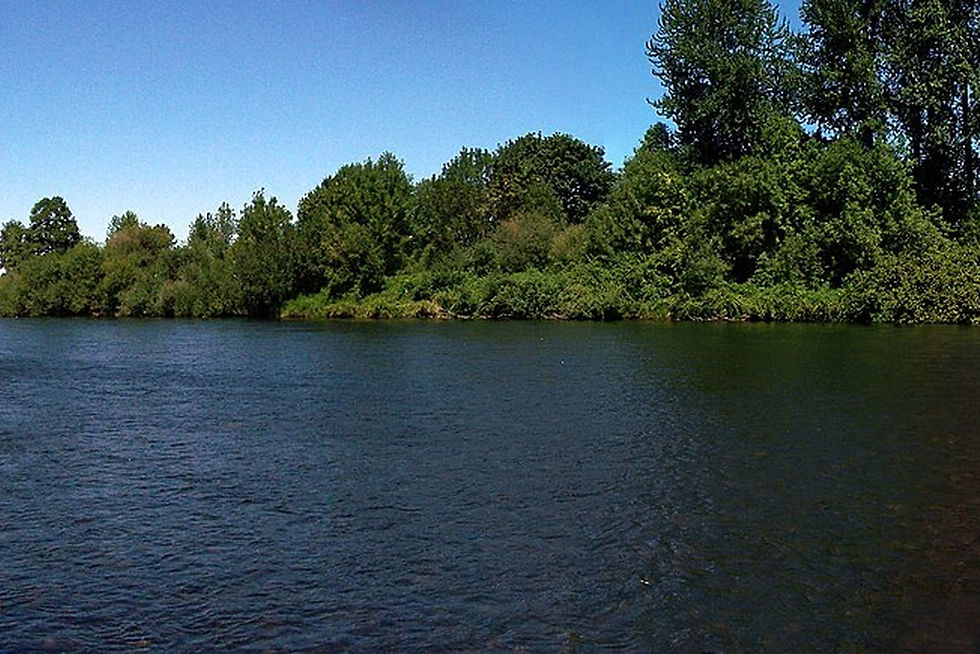
Listing platform fees, professional photography, and initial marketing spend are real startup costs, though this research pass does not contain McKenzie Bridge-specific dollar figures for any of these either. What this page can say with confidence is that photography spend, in particular, should emphasize the river and forest setting that this data confirms is the market's actual guest draw, since most guests arrive from Portland and Bend on trips averaging about 2.7 nights, booked roughly 64 days ahead, a pattern consistent with guests choosing a property based heavily on photos and description during that planning window rather than on impulse.
A new host should resist the temptation to over-invest in marketing spend before the compliance and pricing foundation described above is actually in place. Strong photography and paid promotion driving bookings to a listing that is not yet properly registered, or that is priced without accounting for the confirmed county and state tax obligations, creates risk and inaccurate revenue expectations rather than a genuinely strong start.
Sequencing the Full Startup Spend Correctly
Putting this together, the correct sequence for a new McKenzie Bridge host is: first, confirm land-use eligibility and registration costs directly with Lane County; second, confirm the current combined county tax rate under Lane Code 4.005.110 and the current Oregon state rate; third, budget furniture and setup spending toward a standard that can credibly compete near the market's roughly $274 ADR; and fourth, invest in photography and marketing that accurately represents the actual guest draw, river and forest access, that this data confirms matters to this market's guests.
Each step in that sequence depends on the one before it holding up. A furnished, beautifully photographed property that skipped step one risks not being able to operate at all; a competitively priced listing that skipped step two risks an inaccurate revenue projection once taxes are actually remitted; and marketing spend that skipped steps one through three risks driving bookings to a listing that is not actually ready, financially or legally, to receive them.
Ongoing Costs Beyond the Initial Startup Spend
Startup cost planning should not stop at the launch date. Registration renewal cycles, whichever cadence Lane County confirms, represent an ongoing cost that a host needs to track alongside the county and state transient lodging tax obligations that apply to every booking, not just the first one. This research pass does not specify a McKenzie Bridge-specific renewal fee amount, and this page does not guess one; a host should ask Lane County directly, in the same call that covers initial registration, what renewal looks like and what it costs, so that figure is documented alongside the initial startup number rather than discovered later as a surprise.
Seasonal maintenance is another ongoing cost worth budgeting for given this market's confirmed seasonal pattern: named peak months of August, June, and October, with January standing out as the clear revenue hole. A property that sees concentrated summer-into-fall use should budget for more frequent turnover cleaning and wear-and-tear replacement during those months, while the January revenue hole gives a natural, lower-revenue window for deeper maintenance, repairs, or improvement projects that would be harder to schedule during a peak booking month.
Financing Considerations This Research Does Not Cover
This research pass does not contain specific financing terms, interest rates, or lender requirements for a McKenzie Bridge short-term rental purchase, and this page does not estimate figures in that category. What can be said is that any financing decision should be underwritten against the confirmed $31,397 typical annual revenue figure, adjusted conservatively given the small 50-listing sample size, rather than against a more optimistic figure pulled from a different, larger market like Eugene's. A lender or a host running their own numbers should treat the McKenzie Bridge figure as the relevant comparable, not a regional Oregon average that blends in much larger markets.
Given the 18.5 percent year-over-year revenue decline noted elsewhere in this research for the McKenzie Bridge market, a conservative financing model should also stress-test what happens if that decline continues or stabilizes at a lower level than the historical $31,397 figure, rather than assuming the trailing-year number represents a stable, ongoing baseline. A host or investor who builds a financing plan around the strongest recent year, without accounting for the possibility of continued softening, is taking on more risk than the data alone would suggest is prudent.
A Realistic Startup Cost Timeline
A realistic timeline for a new McKenzie Bridge host starts with the compliance confirmation calls to Lane County, which can typically be completed within days once a host actually makes them, followed by whatever land-use or registration processing time the county specifies, which this research does not quantify and a host should ask about directly. Furniture and setup work can often proceed in parallel with registration processing, provided a host is comfortable absorbing the risk that registration could, in a worst case, come back with an unexpected requirement or delay.
Photography and listing publication should be the final step, timed to follow confirmed registration and accurate pricing, not to precede it. Given the roughly 64-day median booking lead time this sample reports, a host aiming to capture bookings for the named August peak month should ideally have compliance, pricing, and a published, accurately photographed listing in place well before that lead-time window opens for the target season, rather than rushing a launch mid-season and missing the bulk of that year's peak-month demand.
Keeping a Simple Written Startup Cost Record
As each cost category above gets confirmed, a host benefits from writing it down in one place: the confirmed Lane County registration fee and renewal cadence, the confirmed combined county tax rate under Lane Code 4.005.110, the confirmed current Oregon state rate, the actual furniture and setup spend once vendor quotes come in, and the actual photography and marketing spend once those services are booked. This simple written record turns a startup process built on several separate phone calls and vendor conversations into a single reference document a host can revisit when planning a second property, applying for financing, or simply reviewing whether the first year's actual costs matched the original plan.
This same document also becomes useful evidence of diligence if a compliance question ever comes up later, showing exactly when land-use eligibility, registration, and current tax rates were confirmed, and with whom at Lane County, rather than relying on memory of calls made months or years earlier during the initial startup process.
Related Reading
More What It Actually Costs to Start a McKenzie Bridge, OR STR host reading on desks, calendars, and listing clarity.
McKenzie Bridge, Oregon STR Market Report 2026: Revenue Data
McKenzie Bridge, Oregon STR Rules: What to Confirm Before You List
McKenzie Bridge Tourism Data: What Actually Predicts Revenue
McKenzie Bridge and Eugene: Two Towns, Two Different Guest Trips
Who Books a McKenzie Bridge, Oregon Rental: Origin and Trip Type
Frequently Asked Questions
What is the first cost I should confirm before starting a McKenzie Bridge STR?
Confirm compliance costs before anything else: registration and land-use requirements with Lane County directly, at 541-682-4065 or lanecountyor.gov, with Lane County Planning at 541-682-3577 for zoning questions. This research pass does not contain a confirmed McKenzie Bridge-specific permit dollar figure, so this page does not state one. Confirming a parcel's eligibility to legally operate as a short-term rental before spending on furniture or marketing protects every dollar spent afterward.
Is there a specific McKenzie Bridge short-term rental permit fee I should budget for?
This research pass does not confirm a specific McKenzie Bridge-specific permit dollar figure, so no number is guessed or stated here. Because McKenzie Bridge is unincorporated Lane County territory, any registration fee comes from the county directly rather than a separate town office. Call Lane County at 541-682-4065 and ask specifically about current registration fees, renewal timing, and any inspection costs before finalizing a startup budget.
What tax rates should I build into my McKenzie Bridge STR revenue model?
Lane Code 4.005.110 levies a county transient lodging tax described as five percent plus three percent plus two percent of rent, presented here exactly as sourced rather than summed into one figure since the research does not confirm a combined total. Oregon's state transient lodging tax is 1.5 percent, applying to stays ending on or before December 31, 2026 per Department of Revenue pages. Confirm both current rates directly with Lane County and the Department of Revenue before finalizing your model.
How much revenue can a new McKenzie Bridge STR expect to underwrite startup costs against?
Typical listings in McKenzie Bridge earned about $31,397 last year, from 50 active rentals on the extract filed for the window running August 2025 through July 2026, with an average daily rate around $274 and occupancy near 35.4 percent. This figure is a directional benchmark, not a guarantee for a specific property, given the small 50-listing sample size, but it gives a new host a real, dated target to underwrite startup spending against rather than a vague regional impression.
Does this research provide specific furniture or setup cost figures for McKenzie Bridge?
No. This research pass does not contain specific dollar figures for furniture, linens, or general setup costs for a McKenzie Bridge property, and this page does not guess placeholder numbers to fill that gap. A new host should get direct quotes from local Lane County vendors and size setup spending relative to the market's actual roughly $274 ADR positioning, rather than relying on a national furnishing-cost average that may not reflect rural Oregon logistics and shipping costs.
Should I invest in marketing and photography before confirming compliance costs?
No. Compliance and tax confirmation should come first, since a listing that is not properly registered or accurately priced for tax obligations creates real risk regardless of how strong its marketing looks. Once land-use eligibility, registration, and current tax rates are confirmed with Lane County, photography and marketing spend should emphasize the river and forest setting that this data confirms drives McKenzie Bridge bookings, since most guests plan trips roughly 64 days ahead based heavily on listing photos and descriptions.
How does McKenzie Bridge's startup cost picture compare to Eugene's?
This page does not carry Eugene-specific startup cost or compliance figures, and treats Eugene, which earned about $26,063 last year from 1,328 listings on the same extract, purely as scale context rather than a cost benchmark. Eugene is an incorporated city that may carry its own separate municipal registration and tax requirements distinct from Lane County's unincorporated-area rules that govern McKenzie Bridge, so Eugene's cost structure should not be assumed to transfer to a McKenzie Bridge startup budget.
What is the correct order of operations for starting a McKenzie Bridge STR?
First, confirm land-use eligibility and registration costs directly with Lane County. Second, confirm the current combined county tax rate under Lane Code 4.005.110 and the current Oregon state rate. Third, budget furniture and setup spending toward a standard competitive near the market's roughly $274 ADR. Fourth, invest in photography and marketing emphasizing the river and forest access this data confirms matters most to this market's actual guest base.
Work with Crest & Cove Creative
A new McKenzie Bridge host should confirm Lane County registration and tax costs before spending a dollar on furniture, since this research pass has no confirmed permit fee and no guessed placeholder number fills that gap. Name the failure mode.
Crest & Cove Creative helps new short-term rental hosts sequence their startup spending correctly, compliance and tax confirmation first, then furniture and setup, then marketing, so early dollars go toward a listing that can actually operate and earn rather than one built on assumptions this research does not support. If you are planning to start a McKenzie Bridge rental and want a clear-eyed budget built around confirmed local revenue data instead of generic national averages, our team can.
Reach out at crestcove.co or (256) 998-7502.


Comments